
Plants
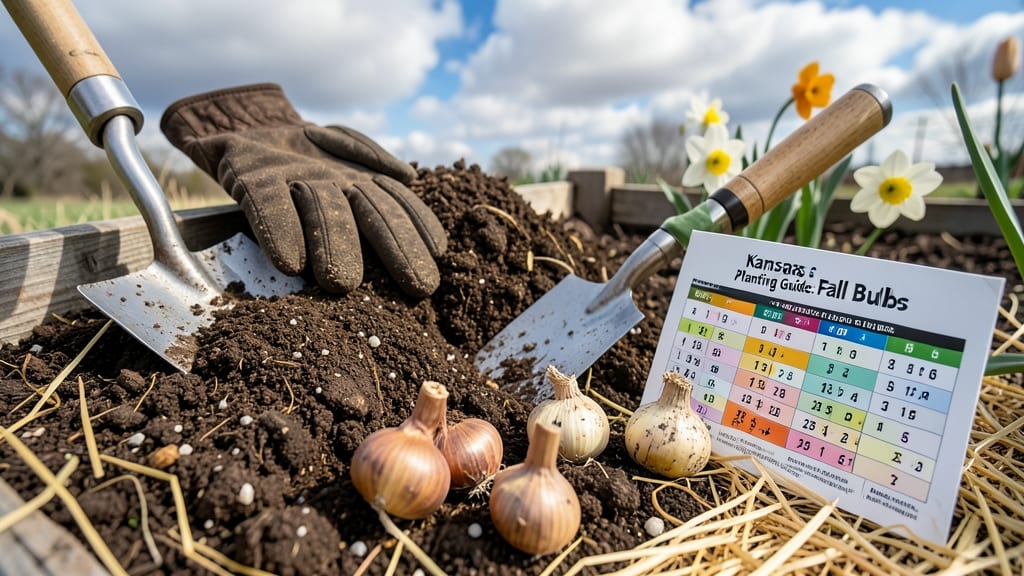
Timing your planting of spring-blooming bulbs 🌷 in Kansas can mean the difference between a showstopping spring garden and wasted effort. If you’ve ever planted tulips or daffodils only to see them rot in the ground or fail to bloom, you know how critical this window really is.
Kansas spans USDA zones 5b to 7a, which means frost dates vary dramatically from north to south. In cooler areas like Norton County, you’ve got just a few weeks between September and mid-November to get bulbs in the ground before winter sets in.
Meanwhile, in warmer zones like Sedgwick County, you might have a slightly extended window—but don’t push it too late.
Here’s the game-changer: planting 6-8 weeks before the ground freezes ensures your bulbs establish roots without rotting. That’s typically September through early November for most of the state.
But what if you miss the fall window? I’ll show you how to adjust for spring planting too—plus how to handle Kansas’ unpredictable weather like a pro.
Whether you’re a first-time gardener or a seasoned Kansas grower, these county-specific deadlines will help you avoid common mistakes and guarantee those vibrant blooms next spring. Let’s get your bulbs planted right the first time.
Kansas county planting zones: when to plant spring-blooming bulbs
Kansas spans USDA zones 5b through 7a, meaning frost dates vary dramatically from north to south. In northern counties like Norton (Zone 5b), the ground freezes by mid-November, while southern areas like Sedgwick (Zone 7a) often see frost-free soil until mid-April.
This variation means your planting window can shift by 6 weeks or more depending on where you live.
For spring-blooming bulbs like tulips, daffodils, and hyacinths, the golden rule is to plant 6-8 weeks before the ground freezes. This ensures roots establish before winter dormancy. In most of Kansas, that means mid-September to mid-November, but timing shifts slightly by county.
Let’s break it down by region to help you avoid frost damage or missed windows.
🌱 Pro Tip: Use a soil thermometer to confirm when soil temps drop below 50°F (10°C)—this is your cue to finish planting. Many garden centers sell these for under $10, and they’re worth every penny for Kansas’ unpredictable falls.
Kansas County Planting Zones for Spring-Blooming Bulbs
| County Zone | Ideal Planting Window | Last Safe Planting Date | Key Bulbs to Plant |
|---|---|---|---|
| Norton (5b) / Cloud (5a) | Mid-Sept to Oct 15 | October 15 | Daffodils, Tulips, Hyacinths |
| Saline (6a) / Shawnee (6b) | Late Sept to Nov 1 | November 1 | Crocuses, Alliums, Snowdrops |
| Sedgwick (7a) / Butler (7a) | Oct 1 to Nov 15 | November 15 | Dahlias, Gladiolus, Late Tulips |
| Johnson (7a) / Wyandotte (7a) | Late Sept to Dec 1 | December 1 | Fritillaries, Muscari |
🌷 Note: Adjust 1-2 weeks earlier for urban areas (warmer microclimates) and 1-2 weeks later for rural elevations.
If you’re in Zone 5b (north-central Kansas), aim to finish planting by October 15—any later, and bulbs risk rotting before the ground freezes. Meanwhile, gardeners in Zone 7a (southeast Kansas) can push planting until mid-November without worry.
This flexibility is why October is the sweet spot for most Kansas gardeners—it works for nearly every county.
For tulips and hyacinths, which need chilling periods, plant them on the earlier side of your window (September-October). Daffodils and crocuses, which are hardier, can handle late-October or even November plantings in warmer zones.
Just dig a test hole—if the soil feels cold and crumbly, it’s time to plant!
🌿 Soil Prep Matters: Amend your planting area with compost or aged manure to improve drainage. Bulbs rot in waterlogged soil, and Kansas’ clay-heavy soils can trap moisture. Mix in sand or perlite if your soil feels dense. Aim for a 6-inch-deep planting hole with loose, fertile soil at the bottom.
What if you miss the fall window? Don’t panic—you can plant spring-blooming bulbs in March or early April, but they’ll bloom 6-8 weeks later than fall-planted bulbs. This is a common mistake in Zone 7a, where mild winters tempt late plantings.
If you choose this route, water deeply every 7-10 days until the ground freezes to help roots establish.
Finally, mulch after planting with 2-3 inches of straw or shredded leaves. This protects bulbs from temperature swings and keeps soil moist. In Zone 5b, add an extra inch of mulch—those early freezes can be brutal. Just
With these county-specific deadlines, you’ll avoid
How to adjust planting times for Kansas weather extremes
Kansas’ weather is famously unpredictable—one week can bring unseasonably warm temperatures 🌡️, and the next, a sudden frost that catches gardeners off guard. If you’ve ever planted bulbs only to watch them freeze or rot, you’re not alone.
The key to success lies in flexible planting strategies that account for soil temperature, microclimates, and Kansas’ infamous wind chill.
Start by checking soil temperature before planting. Bulbs need the ground to be below 60°F but above freezing—any warmer, and they’ll rot; any colder, and they won’t establish roots.
Use a soil thermometer to monitor conditions, especially in northern counties like Norton, where soil can freeze as early as mid-October.
Here’s my pro tip for Kansas gardeners: if your soil is still too warm in late September, hold off on planting. Instead, store bulbs in a cool, dark place 🪴 (like a garage or basement) and replant once temperatures drop.
This simple step can save you from losing an entire batch of tulips or daffodils.
Late Planting Risks in Kansas
- Frost damage: Bulbs planted too late (after November 15) may not root before freezing.
- Rot risk: Warm soil in late fall can cause bulb rot if planted too deep or in soggy conditions.
- Missed bloom: Late-planted bulbs often bloom weakly or not at all the following spring.
Urban gardeners in Wichita or Kansas City often face hotter microclimates than rural areas, which can delay soil cooling. If you’re in a city, opt for earlier planting (late August to early September) to avoid the heat.
Conversely, rural areas like Ellis County may have cooler soils, giving you a later window (October to early November).
Mulching is another game-changer for Kansas bulbs 🪴. After planting, apply a 2-3 inch layer of straw or shredded leaves to insulate the soil and regulate temperature.
This helps protect bulbs from freeze-thaw cycles and keeps moisture levels steady. Just be sure to remove mulch in early spring to prevent rot as temperatures rise.
For gardeners in Zone 7a (southern Kansas), where winters are milder, you might push planting into early December. However, always monitor frost forecasts—a sudden cold snap can still damage unrooted bulbs.
If you’re unsure, plant a few test bulbs in late November to gauge how your soil responds.