
Plants
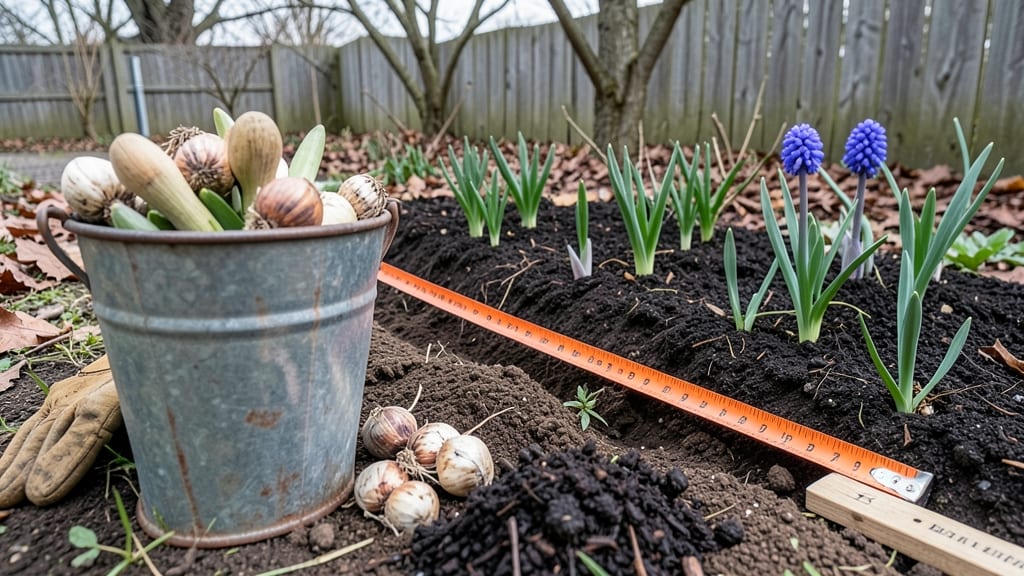
Timing matters more than you think when it comes to planting bulbs in Michigan—especially in spring, where late frosts can turn your 🌷 Spring-Planted Bulbs into a sad, frozen disappointment.
The difference between a garden bursting with color and wasted effort often hinges on knowing exactly when to dig in, whether you're in Detroit or the Upper Peninsula.
Most gardeners assume spring planting is a one-size-fits-all game, but Michigan's 5b-6b zones throw a wrench into that plan. The key isn't just waiting for April—it's understanding how your local microclimate (think urban heat islands or lake-effect zones) can shift those perfect planting windows by weeks.
Let me show you the exact timing that works for your corner of the state.
You might be surprised to learn that some bulbs—like tulips and daffodils—actually prefer fall planting, while others thrive when tucked into the soil in early spring. I'll break down which varieties fit where, plus the critical soil temperature rule that separates success from failure.
No more guessing—just science-backed timing for blooms that'll make your neighbors jealous.
Ready to stop playing bulb roulette? By the end of this guide, you'll know exactly when to plant for zero-frost success, how deep to bury those 🌷 beauties, and which common mistakes are silently sabotaging your garden.
Let's get those bulbs in the ground the right way—once and for all.
Michigan’s frost zones & optimal bulb planting dates by region
Michigan’s USDA zones 5b-6b create a patchwork of planting opportunities, where timing can shift dramatically from the Thumb region to the Upper Peninsula. The golden rule? Plant bulbs when soil temperatures hit 60°F—this ensures roots establish before summer heat sets in.
But since Michigan’s spring is famously unpredictable, I’ll break down exact windows for each zone, plus which bulbs thrive in each microclimate.
Most gardeners focus on spring planting, but fall is actually ideal for hardy bulbs like tulips and daffodils. These varieties need 6-8 weeks in cool soil before winter to develop strong roots.
If you miss fall, don’t worry—early spring planting (as soon as soil is workable) works for less cold-hardy varieties like hyacinths or alliums.
Here’s the critical timeline for spring planting success across Michigan’s zones, with bulbs grouped by frost tolerance. Use this as your cheat sheet to avoid the heartbreak of frozen blooms.
Notice how northern Michigan shifts planting by nearly a month? That’s why I recommend checking your local last frost date (usually mid-April in the south, early June in the UP) and planting 6 weeks before that date.
For example, if your last frost is May 15, aim for early April planting.
One common misconception is that all bulbs should be planted in fall. While tulips and daffodils thrive with fall prep, hyacinths and alliums often perform better when planted in spring.
The key is soil temperature: bulbs need cool soil to root, so spring planting works if you get them in before the ground heats above 70°F.
For urban gardeners, heat islands can push planting dates back by 1-2 weeks. If your yard stays 10°F warmer than rural areas, delay planting until late April or early May. Always water deeply after planting to encourage root growth—this is non-negotiable in Michigan’s dry springs.
Let’s talk depth and spacing, because even the right timing fails if bulbs are planted too shallow. Most bulbs need 6-8 inches of soil coverage (that’s 3x their diameter).
In sandy soils (common in the UP), plant 1 inch deeper to retain moisture. Space bulbs 3-6 inches apart, depending on variety—crowding leads to weak stems and fewer blooms.
Finally, don’t overlook mulching. A 2-inch layer of straw or shredded leaves after planting locks in moisture and regulates soil temperature. In zone 4b (like Marquette), mulch with 4-6 inches of organic matter to protect bulbs from freeze-thaw cycles.
This small step can mean the difference between blooms and bolting.
How to time bulb planting with Michigan’s microclimates (urban vs. rural)
Michigan’s varied landscapes create microclimates that can shift ideal planting windows by weeks. Urban areas like Detroit often experience heat islands—concrete and pavement trap warmth, delaying frost. Meanwhile, rural zones near lakes (like the UP) face lake-effect cooling, pushing planting dates earlier.
These differences mean a one-size-fits-all approach fails—your neighbor’s perfect timing might be disaster for you.
For example, southern Michigan’s USDA Zone 6a gardens (e.g., Ann Arbor) can safely plant spring bulbs like crocus and snowdrops in late March, while northern Zone 4b areas (e.g., Traverse City) should wait until mid-April.
Even within cities, elevation matters—a hilltop garden may frost 2 weeks later than a valley below. The key? Adjust based on your last average frost date (check NOAA’s frost maps for your ZIP code).
Here’s the game-changer: soil temperature. Bulbs need soil to reach 60°F at planting depth (6 inches down). Use a soil thermometer ($10 at garden centers) to test—if it’s below 60°F, wait.
In urban areas, asphalt radiates heat, warming soil faster, while rural fields cool slower. Pro tip: Plant shade-loving bulbs (like hyacinths) in north-facing beds—they tolerate cooler soil.
🌱 Microclimate Adjustments for Michigan Bulbs
- Urban Heat Islands: Plant 1-2 weeks earlier than rural zones (soil warms faster).
- Lake Zones (UP, Mackinac): Delay planting by 10-14 days—lake breezes lower soil temps.
- Elevation +100ft: Shift dates 5-7 days later (cooler air at higher altitudes).
- South-Facing Beds: Ideal for early planting—6+ hours of sun speeds soil warming.
Spring-planted bulbs (like gladiolus or canna lilies) thrive when soil is workable but not soggy. In Michigan’s wet springs, avoid planting until the ground drains within 24 hours of rain.
Amend heavy clay with compost or sand to improve drainage—bulbs rot in waterlogged soil. For container gardening, use pots with drainage holes and a cactus/succulent mix (fast-draining).
Don’t overlook mulching after planting. In urban areas, apply 2-3 inches of straw to insulate bulbs from temperature swings. Rural gardens benefit from pine straw or shredded leaves to retain moisture. Mulch also suppresses weeds—critical for bulbs that need 6-8 weeks of undisturbed growth before blooming.
If you’re still unsure, opt for hardy spring bulbs like alliums or fritillaries—they tolerate cooler soils and later frosts better than tulips. For maximum blooms, combine spring-planted bulbs with fall-planted varieties (e.g., daffodils in October).
Layering creates a continuous bloom season from April to June. Just remember: spring planting = faster blooms, but fall planting = bigger bulbs for next year.
Timing isn’t just about the calendar—it’s about reading your garden’s unique signals. Pay attention to local wildlife too: when robins start digging for worms, it’s often safe to plant.
And if your neighbor’s bulbs** bloom 2 weeks earlier, they’re likely in a warmer microclimate. Adjust accordingly—your garden’s personality matters more than the USDA zone alone. 🌿