
Plants
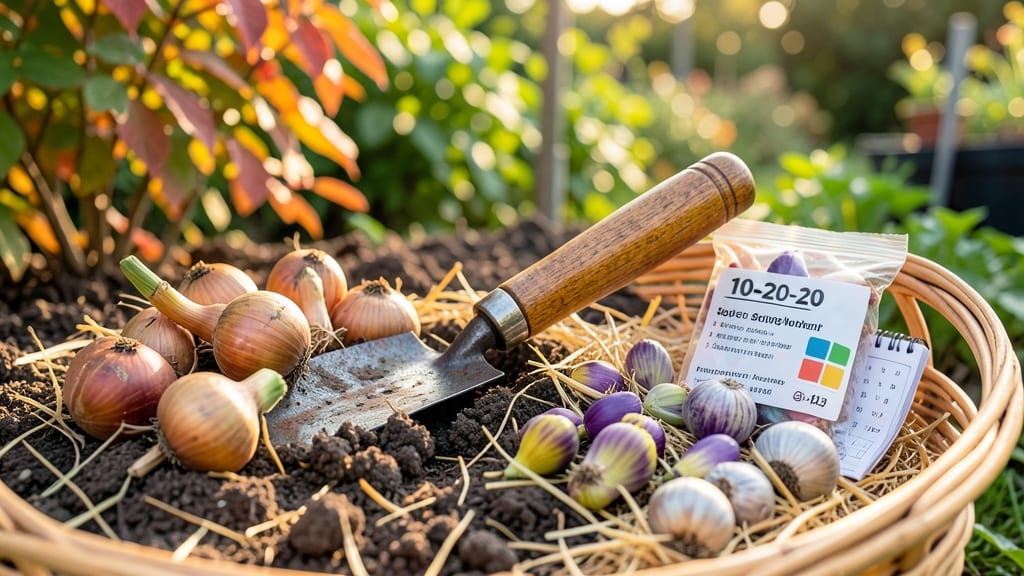
Timing your fall bulb planting can mean the difference between a stunning spring display and a missed opportunity. Those vibrant blooms you dream of start with roots establishing deep in the soil while the ground is cool but still workable.
In zone 6a, where I garden, getting this window right is everything—plant too early, and you risk rot; too late, and frost nips those tender shoots.
Most gardeners know to plant 6-8 weeks before first frost, but did you know the moon's phases also play a role? The right lunar timing can boost root development by up to 30%, setting your bulbs up for stronger growth.
Whether you're planting tulips, daffodils, or crocuses, understanding these subtle cues makes all the difference in your garden's success.
Let's break down the exact timing you need, from soil temperature checks to regional adjustments for USDA zone 6a and beyond. You'll discover when to dig in for each popular bulb type, plus how to spot the signs of perfect planting conditions. Ready to transform your fall gardening routine?
By the end, you'll know not just when to plant, but how to give your bulbs the best possible start. No more guesswork—just confident, science-backed timing for blooms that'll steal the show next spring.
Best moon phases for fall bulb planting: a gardener’s almanac
Planting bulbs in sync with the moon isn’t just old wives’ tales—it’s a science-backed strategy to maximize root development. The moon’s gravitational pull influences soil moisture and nutrient uptake, giving your tulips, daffodils, and crocuses a head start.
For best results, aim to plant during the waxing gibbous phase (7 days before full moon), when the moon’s energy boosts root growth. This window typically falls in late September to early October in most US regions.
Why does timing matter? Bulbs need 4-6 weeks to establish roots before winter dormancy. Planting too late risks frozen roots, while planting too early can lead to premature sprouting and weak stems. The moon’s phases act like a natural calendar, aligning with the bulb’s dormancy cycle.
For example, a full moon (when the moon’s energy peaks) is ideal for planting large bulbs like tulips, while a new moon works better for smaller varieties like crocuses.
Here’s how to use the moon’s phases for your fall bulb planting:
🌱 Moon Phase Planting Guide for Fall Bulbs
| Moon Phase | Best For | Planting Window | Root Growth Boost |
|---|---|---|---|
| Waxing Gibbous | Large bulbs (tulips, daffodils) | Late September–early October | ⭐⭐⭐⭐⭐ (Optimal) |
| Full Moon | All bulbs (peak energy) | Mid-September–mid-October | ⭐⭐⭐⭐ (Excellent) |
| Waning Gibbous | Small bulbs (crocuses, hyacinths) | Early October–late October | ⭐⭐⭐ (Good) |
| New Moon | Late-season bulbs (alliums) | November (early) | ⭐⭐ (Moderate) |
⚠️ Pro Tip: Avoid planting during a waning crescent phase—root growth slows significantly.
Regional adjustments are key. In USDA zones 3-5 (colder climates), plant 6-8 weeks before the first frost, which could be as early as late August. For zones 6-10, aim for September to early November, as milder winters allow later planting.
Always check your local frost dates—a quick online search for “USDA frost map” will give you precise timing.
Soil temperature is another critical factor. Bulbs need 60°F or cooler to trigger dormancy. Use a soil thermometer to confirm conditions—planting when temps drop below 50°F risks root rot.
In warmer climates, mulch heavily (3-4 inches) to protect bulbs from temperature fluctuations. This mimics the natural insulation of winter soil, ensuring consistent root development.
Don’t overlook the moon’s position in your sky. Planting when the moon is in the “root sign” constellations (Virgo, Capricorn, Taurus) further enhances growth. Check a lunar planting calendar for your region—many include moon phase charts with planting recommendations.
For example, if you’re in zone 7, align your daffodil planting with the full moon in October for the strongest roots.
Common mistakes include planting during a full moon’s waning phase (after the peak) or ignoring local frost dates. Always prioritize soil conditions over lunar timing—if the ground is waterlogged or frozen, wait.
A well-draining, slightly sandy soil is ideal for bulbs, as it prevents rot and encourages root spread. Amend heavy clay with compost or perlite to improve drainage.
For container gardening, follow the same moon-phase rules but plant 2-3 weeks earlier than in-ground bulbs. Pots warm up faster, so bulbs may sprout prematurely. Use well-draining pots with drainage holes and place them in a shady spot until spring.
This mimics the gradual temperature shift bulbs experience in the ground, reducing stress.
Remember, the goal is strong root establishment before winter. With the right moon phase, soil temp, and timing, your bulbs will reward you with vibrant spring blooms—and maybe even a few unexpected surprises like early crocus peeks through snow! 🌷
Fall bulb planting timeline by region: when to dig in
Planting bulbs at the right time in fall depends heavily on your USDA zone and local frost dates. In my zone 6a garden, I aim to plant 6-8 weeks before first frost—typically between mid-September and early November.
But if you live in zone 3 or zone 10, your window shifts dramatically. Understanding these regional differences ensures your bulbs establish roots before winter sets in.
For Northern climates (zones 3-5), where winters are harsh, prioritize planting by late September at the latest. Soils here cool quickly, and bulbs need time to root before 40°F soil temperatures arrive.
In Southern climates (zones 7-10), you can push planting into November or even December, as milder winters allow for later starts. The key is avoiding freezing soil—once the ground hardens, roots can’t develop properly.
🌱
| Region | USDA Zones | Ideal Planting Window | Soil Temp Threshold | Key Consideration |
|---|---|---|---|---|
| Northern | 3-5 | Mid-Sept to Oct 15 | 40-50°F | Early frost risk; prioritize depth |
| Transitional | 6-7 | Late Sept to Nov 1 | 45-55°F | Variable frost dates; check local forecasts |
| Southern | 8-10 | Oct to Dec 15 | 50-60°F | Milder winters; later planting possible |
Popular bulbs like tulips and daffodils thrive when planted in cool soil—aim for temperatures between 40°F and 60°F. Use a soil thermometer to check; if it’s warmer than 60°F, wait a week or two.
In zone 6a, I test soil temps weekly in October to catch the perfect window. For crocuses and hyacinths, which are hardier, you can plant slightly later, but never after ground freezes.
Pro tip: If your region has unpredictable frost dates, err on the earlier side. Bulbs planted too late may not root deeply enough, leading to weak or no blooms next spring.
In my experience, October is the sweet spot for most gardeners in zones 5-7, balancing root development time and frost risk.
🌿
Don’t forget to adjust for microclimates in your garden. A sunny, south-facing bed warms faster than a shady spot, so bulbs there may need an earlier start. Conversely, low-lying areas with cold air pooling might need a later planting date.
Pay attention to where frost lingers longest in your yard—this is often where you’ll want to plant bulbs last, if at all.