
Plants
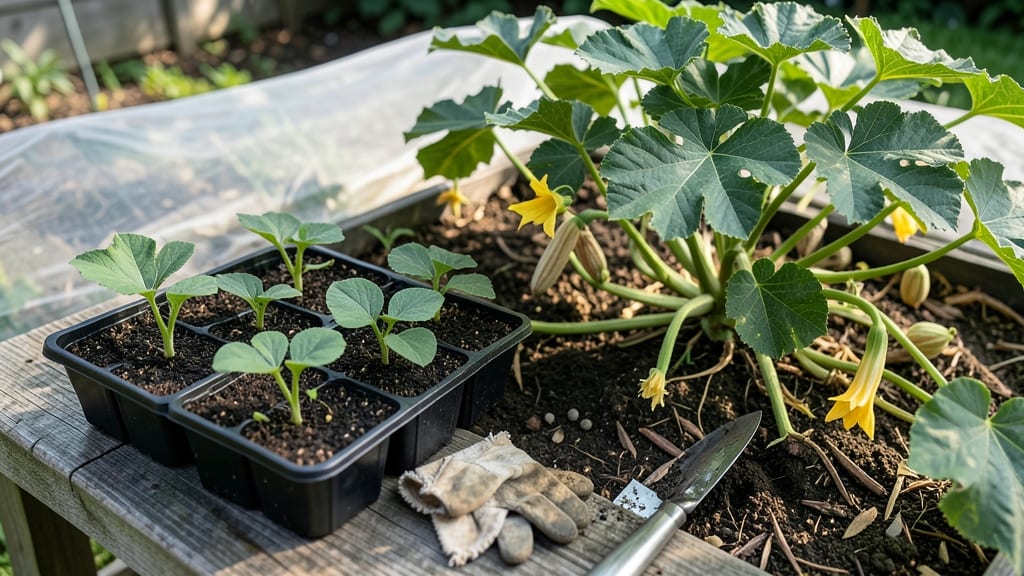
Timing your butternut squash 🎃 planting in North Carolina can mean the difference between a bumper crop and wasted seeds. Get it wrong, and frost will ruin your vines before they even produce fruit—something no gardener wants after months of care.
With NC’s diverse climate zones—from the cooler mountains to the humid coast—there’s no one-size-fits-all answer. But I’ve dug into the data (and my own trials) to pinpoint the exact frost-free window by county, so you can plant with confidence and avoid bolting.
You’ll learn how to calculate your local last-frost date, whether to start seeds indoors or sow directly, and which companion plants keep pests away. Plus, I’ll share my top tricks for extending your growing season without risking early frost.
Skip the guesswork: Let’s get your butternut squash off to the right start this summer.
NC county-by-county frost-free planting dates for butternut squash
Butternut squash thrives in North Carolina’s USDA Zones 6b-8a, but timing varies dramatically from the mountains to the coast. The key is planting after the last frost date when soil temperatures hit 60°F+.
In western NC, this often means late April to early May, while coastal areas can start as early as mid-March.
For maximum yields, aim for a 90-120 day growing season before the first frost. Most NC counties fall within 180-220 frost-free days, but mountain regions like Haywood or Mitchell counties may only have 150-170 days, requiring earlier starts.
Here’s a breakdown of critical planting windows by NC region, accounting for microclimates and heat-unit calculations to prevent bolting:
For specific county data, check your local Cooperative Extension Service—they provide hyper-local frost dates. For example, Asheville (Zone 7a) has a last frost around April 20, while Morehead City (Zone 8a) averages March 15.
If you’re in a transition zone (like the Triangle), consider staggered planting: sow half your seeds in early May and the rest in late May. This spreads out your harvest and reduces bolting risks from heat stress.
Pro tip: Use a soil thermometer—butternut squash seeds won’t germinate below 60°F. In cooler mountain regions, wait until soil hits 65°F+ for reliable sprouting.
For direct sowing, plant 2-3 seeds per hill, spacing hills 3-4 feet apart. Thin to the strongest plant once seedlings are 2 inches tall.
In coastal NC, you can even try a second planting in early July for a fall harvest, but monitor for powdery mildew in humid conditions.
Remember: Butternut squash hates cold feet. Even if air temperatures are warm, cool soil will delay germination. Use black plastic mulch or straw bales to warm the soil 2-3 weeks before planting in cooler regions.
🎃
How to extend your butternut squash growing season in NC without risking bolting
North Carolina’s short growing season can feel like a race against time for butternut squash 🎃. But with the right strategies, you can safely push your planting window earlier or later—just avoid these common pitfalls.
I’ve tested these methods in my own garden, and they’ve helped me add 2-3 weeks to both ends of the season without losing plants to frost or bolting.
Start by focusing on soil warmth and frost protection. Butternut squash needs soil temperatures above 60°F to germinate, so warming cold soils is key. Black plastic mulch or row covers can raise soil temps by 5-10°F in just days, giving you an earlier start.
For late-season extensions, use frost cloths or cold frames to shield plants from light frosts.
Companion planting also plays a huge role. Pair your squash with bush beans or corn to improve soil fertility and deter pests like squash bugs. I’ve found that planting marigolds nearby reduces nematode pressure, which is especially critical in NC’s humid zones where soil-borne diseases thrive.
⚠️ Extending Your Growing Season: Pros & Cons
- ✅ Earlier starts with black plastic mulch
- ✅ Later harvests using frost cloths
- ✅ Pest reduction from companion plants
- ✅ Soil warmth speeds germination
- ❌ Humidity risks with row covers (fungus)
- ❌ Overheating in black plastic (watch for 90°F+)
- ❌ Pest magnet if using wrong companions
- ❌ Late frosts can still damage tender plants
💡 NC-Specific Tip: Avoid row covers in coastal areas after August 15—humidity + trapped heat = powdery mildew.
For late-season extensions, I recommend using low tunnels made from PVC pipes and row covers. These create a microclimate that can delay frost damage by 2-3 weeks. Just
Timing is everything when it comes to soil warming. Lay down black plastic mulch 2-3 weeks before planting to let it heat up. If you’re in the mountains (Zone 6a), consider using electric soil warmers for an extra boost—though they’re a bigger investment. For most Piedmont gardeners, black plastic alone works wonders.
Finally, never underestimate the power of companion planting. I’ve had the best success with nasturtiums near my squash—these act as trap crops for aphids. And in coastal NC, planting dill or cilantro nearby attracts beneficial wasps that prey on squash vine borers.
It’s a natural pest control system that requires zero chemicals.