
Plants
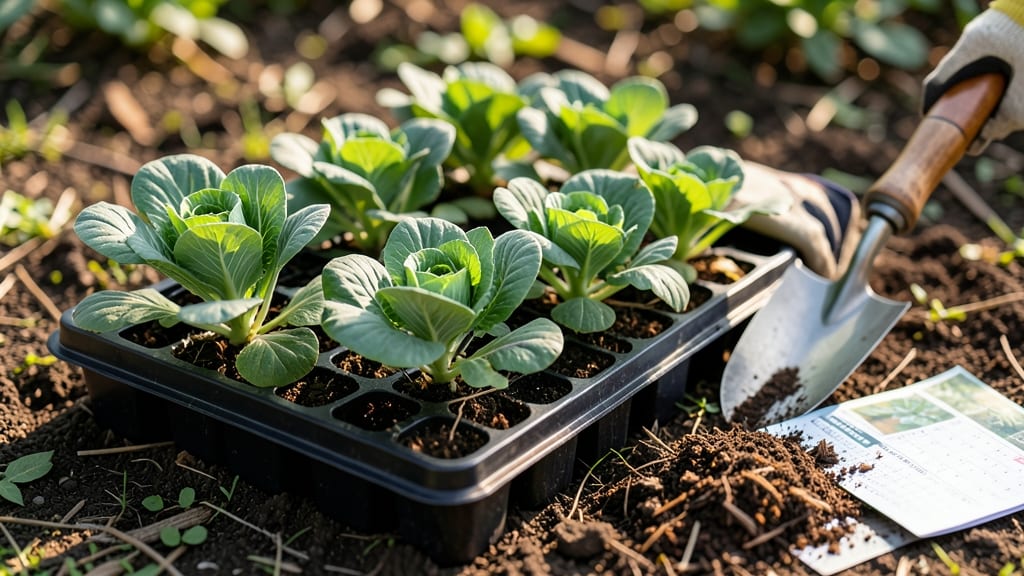
Timing your cabbage planting in Illinois could be the difference between a bumper crop and wasted effort—especially when you’re dealing with the state’s unpredictable frost patterns and zone variations. Whether you’re in chilly Chicago or warmer Carbondale, getting those seeds in the ground at the right moment means healthier plants and bigger harvests.
Most Illinois gardeners know cabbage thrives in cool weather, but the exact window depends on your USDA zone. Plant too early, and frost will nip your seedlings. Too late, and summer heat sends them bolting before they mature.
I’ll break down the frost-free windows for both spring and fall planting, so you can avoid common mistakes that leave your garden patchy.
You’ll also discover how to extend your growing season with simple tricks—like using row covers or choosing cold-hardy varieties—that work perfectly for Illinois’ climate. No more guessing games about when to start seeds indoors or when to transplant.
Let’s get your 🌱 cabbage growing on the right timeline for your zone.
Ready to skip the trial-and-error? I’ll walk you through the step-by-step schedule, from soil prep to harvest, so you can enjoy fresh cabbage straight from your garden all season long.
Illinois cabbage planting calendar by hardiness zone (with frost dates)
Getting your cabbage planted at the right time in Illinois is critical—miss the window, and you’ll end up with bitter, bolted greens instead of sweet, tight heads.
The state spans USDA zones 5a to 6b, meaning frost dates vary dramatically from Chicago’s northern chill to Carbondale’s warmer southern climate. Understanding these differences ensures your cabbage thrives whether you’re in a short-season zone 5a or a more forgiving zone 6a.
For spring planting, the goal is to sow seeds or transplant seedlings 2–4 weeks before your last expected frost date. In fall, you’ll aim for transplants 8–10 weeks before the first frost to mature before winter sets in.
Illinois Extension data shows that northern Illinois (like Chicago) typically has a last frost around April 15–May 1, while southern Illinois (like Carbondale) sees frost as late as April 30–May 15.
Here’s how to align your planting with Illinois’ frost-free windows, including adjustments for microclimates like urban heat islands or sheltered garden spots. The table below breaks down direct sowing vs. transplanting timelines, so you can choose the method that fits your schedule and climate zone.
| USDA Zone | Northern Illinois (e.g., Chicago) | Central Illinois (e.g., Springfield) | Southern Illinois (e.g., Carbondale) | Direct Sow Start Date | Transplant Start Date | Fall Planting Window | Key Varieties for Zone |
|---|---|---|---|---|---|---|---|
| 5a | Apr 15–May 1 | Apr 20–May 5 | Apr 25–May 10 | Apr 1–Apr 15 | Apr 15–May 1 | Aug 15–Sep 15 | 'January King', 'Golden Acre' |
| 5b | Apr 20–May 5 | Apr 25–May 10 | May 1–May 15 | Apr 10–Apr 25 | Apr 20–May 5 | Aug 1–Sep 20 | 'Cavalo', 'Red Express' |
| 6a | N/A | Apr 30–May 15 | May 5–May 20 | Apr 15–May 1 | Apr 25–May 10 | Aug 15–Oct 1 | 'Cavalo', 'Badger Shipper' |
| 6b | N/A | May 1–May 15 | May 10–May 25 |
Best cabbage varieties for Illinois gardens (heat-tolerant vs. cold-hardy)Choosing the right cabbage variety for your Illinois garden depends on your USDA zone and whether you’re battling northern frosts or southern heat. In zones 5a–5b, cold-hardy types like 'January King' thrive, while zone 6a gardeners in Carbondale need heat-resistant hybrids like 'Cavalo'. Let’s break down the best options for your location. For short Illinois growing seasons, prioritize early-maturing varieties (60–75 days) to avoid bolt risk from heat or frost. 'Golden Acre' is a top pick for spring planting in Chicago, maturing in just 60 days—perfect for beating summer’s arrival. Meanwhile, 'Red Express' offers colorful heads and medium heat tolerance, ideal for central Illinois. Southern Illinois gardeners should focus on heat-tolerant varieties like 'Cavalo' or 'Magnificent', which handle 85°F+ temperatures without bolting. These varieties also resist cabbage worms and disease pressure common in humid summers. Northern gardeners, however, should opt for 'January King' or 'Winterbor' to survive light frosts and extend harvests into winter. 🌡️ Days to Maturity
30–60 days
60–90 days
90+ days
Critical for Illinois’ short seasons
☀️ Heat Tolerance
Low
Medium
High
Southern IL (zone 6a) needs 'High'
❄️ Cold Hardiness
Light frost
Hard freeze
Below 20°F
Northern IL (zone 5a) needs 'Light frost'
If you’re succession planting for continuous harvests, mix fast-maturing varieties like 'Early Jersey Wakefield' (58 days) with medium-season types like 'Golden Ball' (75 days). This strategy ensures you have heads ready from late summer through fall, even in shorter Illinois seasons. For fall and winter harvests, overwintering varieties like 'January King' are non-negotiable. These cabbages develop sweetness after frost and can survive light freezes, making them ideal for northern Illinois gardens. Pair them with row covers or low tunnels to push harvests even later into the season. Pro tip: Always check seed packets for 'days to maturity' and match them to your frost-free window. In zone 5a, aim for varieties that mature before the first frost (typically late September), while zone 6a gardeners can afford slightly slower varieties due to longer growing seasons. |