
Plants
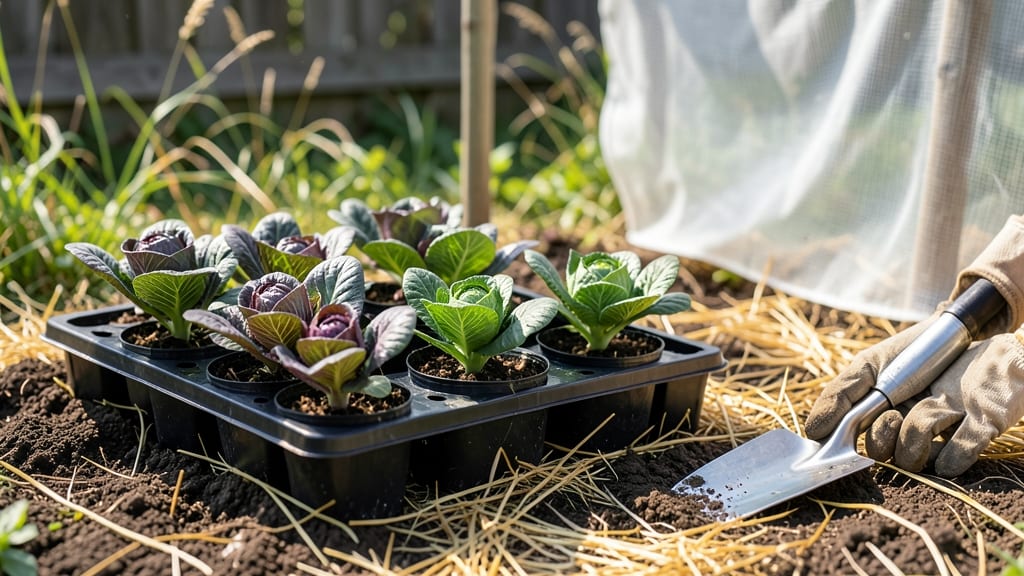
Knowing when to plant cabbage in Michigan can mean the difference between a bumper crop and bolted greens. Michigan’s 5b-6b zones offer two prime windows—early spring and late summer—but timing varies wildly between Detroit’s urban heat islands and Traverse City’s cooler lakeshore breezes.
The key is beating frost while avoiding heat stress. Plant too early, and cold snaps stunt growth; too late, and summer’s swelter triggers bolting. I’ll break down the exact deadlines for your region, plus how to stretch your season with row covers and cold frames.
Whether you’re growing Golden Acre for quick harvests or hardy Wisconsin All-Purpose, these strategies ensure your 🥬 stays crisp and productive. Let’s dive into the microclimate secrets that’ll have your cabbage thriving from March to October.
You’ll learn how to adjust for your specific corner of Michigan—whether you’re battling Detroit’s urban heat or the Upper Peninsula’s shorter summers. No more guessing games, just foolproof planting dates tailored to your backyard.
Michigan cabbage planting zones: exact dates by region (avoid bolting & frost damage)
Michigan’s three distinct planting zones create unique challenges for cabbage growers. The Upper Peninsula faces shorter growing seasons, while Southern Michigan enjoys longer frost-free periods. Even within these zones, microclimates (like Detroit’s urban heat islands or Traverse City’s lakeside breezes) shift ideal planting windows by 1-2 weeks.
Let’s break down the exact last frost dates and optimal planting windows for each region.
For Northern Michigan (USDA Zone 5b), including the Upper Peninsula and areas like Marquette, aim to plant 4-6 weeks before your last frost date. This typically means late March to early April for early varieties or July 15-August 1 for fall harvests.
In Central Michigan (Zone 5b-6a), like Lansing or Midland, you’ve got a 2-week buffer—plant April 1-May 1 for spring and July 10-July 31 for fall.
Southern Michigan (Zone 6a-6b), including Detroit, Kalamazoo, and Ann Arbor, enjoys the longest seasons. Here, you can start as early as March 15-April 15 for spring cabbage and July 1-August 15 for fall. The key is avoiding heat stress (temps above 80°F) which causes bolting, and protecting seedlings from late spring frosts that can still hit after April 15.
🌱 Pro Tip: Use the Michigan State University Garden Hotline (1-800-648-0949) for localized frost forecasts—they update weekly and account for your exact ZIP code’s microclimate.
🌡️ Michigan Cabbage Planting Zones Comparison
| Zone | Last Frost Date | Spring Planting Window | Fall Planting Window | Key Risk |
|---|---|---|---|---|
| Northern (UP, Zone 5b) | May 10-20 | Late March–Early April | July 15–August 1 | Late frosts, short season |
| Central (Zone 5b-6a) | April 25–May 10 | April 1–May 1 | July 10–July 31 | Heat bolting in August |
| Southern (Zone 6a-6b) | April 15–May 5 | March 15–April 15 | July 1–August 15 | Urban heat islands |
💡 Note: Adjust dates 1 week earlier for lakeside areas (Great Lakes moderate temps) and 1 week later for inland valleys (colder air pockets).
Understanding your specific frost dates is critical. For example, Traverse City (Zone 6a) might see its last frost on May 1, while Sault Ste. Marie (Zone 5b) could still face frost until May 15.
Use seed packets as a guide—most list days to maturity, so subtract this from your first frost date to find your planting window.
For fall cabbage, aim to harvest before first frost. In Northern Michigan, this means late September-October harvests, while Southern Michigan can extend until November 1. Plant bolting-resistant varieties like ‘Wisconsin All-Purpose’ to handle late-summer heat better.
🌿 Regional Hack: In Detroit’s urban gardens, use black plastic mulch to warm soil 3-5°F faster than bare earth, letting you plant 2 weeks earlier in spring.
If you’re in Zone 5b (like Houghton or Alpena), consider cold frames or row covers to extend your season. These can push your last planting date back to mid-August while protecting young plants from light frosts.
Finally, soil temperature matters more than air temperature. Cabbage seeds need soil at least 45°F to germinate. Use a soil thermometer—if it’s below 45°F, wait or use a heat mat for containers.
✂️ Action Step: Mark your last frost date on your calendar, then count back 6-8 weeks for spring planting. For fall, count back 10-12 weeks to ensure harvest before frost.
How to adjust cabbage planting for Michigan’s microclimates (urban vs. rural, lakeside vs. inland)
Michigan’s microclimates create wildly different growing conditions—Detroit’s pavement absorbs heat while Traverse City’s lakeshore stays cooler. These variations mean your cabbage planting dates should shift based on where you live.
Urban gardeners in Detroit or Grand Rapids can push spring plantings slightly later thanks to heat islands, while Upper Peninsula growers need to start earlier to beat shorter summers.
Lakeside properties near the Great Lakes experience delayed springs and cooler summers, requiring adjustments like row covers or cold frames. Meanwhile, inland farms often enjoy longer frost-free seasons. I’ll show you how to fine-tune your approach for these specific scenarios—no more guessing whether your cabbage will bolt or freeze.
For urban gardeners, container growing with heat-tolerant varieties like ‘Golden Acre’ lets you transplant later (May 1-15) while still avoiding summer heat stress. Rural areas with loamy soil can start seeds directly in early April, giving plants a head start before transplanting in May.
Lakeside properties should aim for late April to early May plantings to avoid cold snaps.
🌱 Microclimate Adjustments for Michigan Cabbage
- ✅ Start seeds indoors by March 15
- ✅ Transplant May 1-15 (soil at 50°F+)
- ✅ Use black plastic mulch to warm soil faster
- ✅ Delay until late April for direct sowing
- ✅ Use row covers for early protection
- ✅ Choose cold-hardy varieties like ‘Wisconsin All-Purpose’
Start seeds early March for direct sowing by April 1; extend season with succession planting every 2 weeks.
If you’re near the Great Lakes, watch for lakeshore fog, which can delay soil warming by 1-2 weeks. Test soil temperature with a soil thermometer—cabbage roots thrive at 45°F+.
For inland areas, focus on mulching to retain moisture during Michigan’s unpredictable summer showers. A 2-3 inch layer of straw keeps roots cool and consistent.
For late-summer plantings (July-August), prioritize shade cloth in hot microclimates to prevent bolting. Urban gardeners can use vertical growing techniques to maximize space, while rural growers benefit from wide-row planting (18-24 inches apart) to improve airflow and reduce disease risk.
These small tweaks make all the difference in Michigan’s variable climate.
Remember: Succession planting is your best friend. Stagger plantings every 2-3 weeks from April through July to ensure a continuous harvest. This works especially well in urban containers or lakeside raised beds, where space is limited but timing is critical.
With these microclimate-specific strategies, you’ll avoid the two biggest cabbage killers in Michigan: early frost and summer bolting.