
Plants
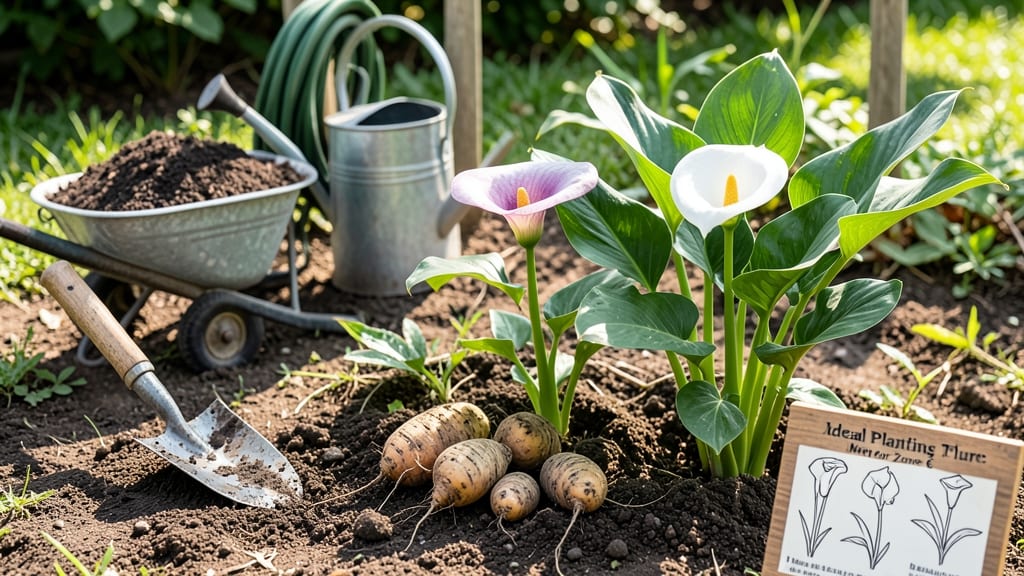
Knowing when to plant calla lily bulbs in Zone 6 can make all the difference between a showstopping summer garden and a disappointing one.
These elegant 🌸 blooms thrive when planted at the perfect moment—too early, and frost will ruin your chances; too late, and you might miss their full potential.
If you're in Zone 6, timing is critical because late frosts can still linger into May. The key is waiting until after your last frost date, usually around mid-to-late May, when soil temperatures consistently reach 60°F.
This ensures your bulbs wake up safely and grow strong roots before summer heat arrives.
But here's the thing: rushing to plant too soon can backfire. Cold soil slows root development, leaving your calla lilies vulnerable.
I’ll walk you through exactly how to check soil readiness, avoid common mistakes, and give your bulbs the best shot at thriving—so you can enjoy those dramatic blooms from summer through early fall.
Ready to transform your garden? Let’s dive into the spring planting secrets that’ll have your calla lilies looking their best all season long.
Ideal planting window for calla lily bulbs in Zone 6
Timing your calla lily bulbs perfectly in Zone 6 ensures vibrant blooms and healthy growth. The sweet spot is late spring, specifically after your last frost date (typically mid-to-late May in most of Zone 6).
Planting too early risks frost damage, while waiting too long may delay blooms until late summer.
Calla lilies thrive when soil temperatures consistently stay above 60°F. Use a soil thermometer to confirm—this usually aligns with April to early May in most of Zone 6. If you’re in a cooler microclimate (like higher elevations), aim for early June to avoid frost surprises.
For early blooms, plant bulbs in late April if your area warms quickly. For late varieties, wait until mid-May to extend the bloom season. Always check your local USDA Plant Hardiness Zone Map for precise last-frost dates in your specific area.
Here’s a quick guide to align your planting with Zone 6’s climate quirks:
| Zone 6 Region | Last Frost Date | Ideal Planting Window | Soil Temp Threshold |
|---|---|---|---|
| Northern Zone 6 (e.g., Chicago, Buffalo) | Mid-May | Late May | 60°F+ |
| Central Zone 6 (e.g., Kansas City, Columbus) | Late April | Early to Mid-May | 60°F+ |
| Southern Zone 6 (e.g., Atlanta, Raleigh) | Early April | Late April | 55°F+ |
If you’re unsure about your last frost date, use daffodils as a natural indicator. When they bloom in your area, it’s safe to plant calla lilies 2-3 weeks later. This trick works because daffodils are early bloomers and signal warming soil.
Pro tip: In Zone 6, late May plantings often yield the most robust blooms because the bulbs establish roots during the warmest part of summer. Just ensure they’re planted 4 inches deep in well-draining soil to prevent rot.
For container growers, start bulbs indoors 6-8 weeks before your last frost date. Use a grow light to simulate spring conditions, then transplant outdoors once soil warms up. This head start can extend your bloom season by 2-3 weeks.
Remember, calla lilies are tender perennials in Zone 6. If frost threatens after planting, cover them with straw mulch or a frost blanket to protect emerging shoots. A little extra care now means showstopping summer blooms later.
Once planted, keep soil consistently moist (but not soggy) and fertilize lightly with a balanced 10-10-10 mix every 4-6 weeks during the growing season. Your patience with timing will pay off with elegant, trumpet-shaped blooms from mid-summer through fall.
Ideal planting window for calla lily bulbs in Zone 6
In Zone 6, timing your calla lily bulb planting is all about beating the last frost while giving soil time to warm up. The ideal window spans from mid-April to mid-May, but the exact date depends on your local frost averages and soil temperature.
For most of Zone 6, this means waiting until after May 15th, when the risk of frost drops significantly.
Calla lilies need soil temperatures of at least 60°F to thrive, so don’t rush planting just because the air feels warm. Cold soil can stunt root growth, leaving your bulbs weak and vulnerable. Use a soil thermometer to confirm readiness—this small tool is a game-changer for avoiding common mistakes.
Here’s a quick rule of thumb: If your neighbor’s daffodils are blooming, it’s likely safe to plant. These early bloomers signal that the ground has warmed enough for calla lilies. In colder microclimates within Zone 6, like higher elevations, push planting back another week or two for extra safety.
| Zone 6 Planting Timeline | Key Conditions | Action Steps |
|---|---|---|
| Early April | Soil temps: 50-55°F | Prep soil, order bulbs |
| Mid-April | Soil temps: 55-60°F | Test soil moisture, wait for daffodils |
| Late April | Soil temps: 60°F+ | Plant bulbs 4" deep, mulch lightly |
| Early May | Last frost risk: Low | Fertilize lightly, water deeply |
| Mid-May | Soil temps: 65°F+ | Monitor for sprouts, protect from late frost |
For early varieties, you can plant as soon as soil hits 60°F in late April, but be prepared to cover them if frost threatens. Late varieties can wait until early June if you missed the spring window—just know they may bloom slightly later in the season.
The key is consistency: once planted, maintain moist but well-draining soil to encourage strong root development.
Pro tip: If you’re unsure about your last frost date, check your local cooperative extension service or use online frost calculators. These tools provide hyper-local data that’s far more accurate than generic Zone 6 averages.
Once you’ve nailed the timing, your calla lilies will reward you with bold, dramatic blooms from midsummer through fall.
Remember, the goal is to give your bulbs a head start before the heat of summer arrives. With the right timing, you’ll enjoy vibrant calla lilies that steal the show in your garden—no frost-related disappointments included.