
Plants
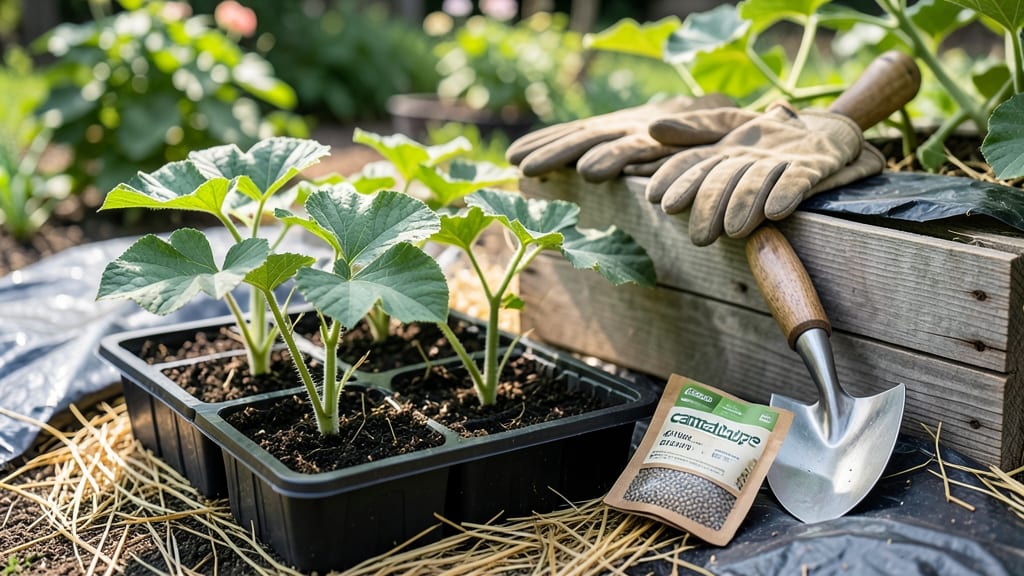
Timing your cantaloupe planting in Florida can feel like a high-stakes game of chance—get it wrong, and you risk bolting vines or stunted fruit before summer’s peak. But with the right microclimate-specific schedule, you’ll dodge those pitfalls and enjoy sweet 🍈 harvests from May to September.
Here’s the secret: Florida’s 9a-11 zones demand precision. Plant too early (like in January), and frost-sensitive seedlings will bolt before they’re ready. Too late (April or later), and summer heat zaps pollination.
The sweet spot? Start seeds indoors in February for North Florida or direct-sow after last frost—usually by early March—while South Florida gardeners can push planting to April.
Why does this matter? Because cantaloupes need 70°F+ soil to thrive, and Florida’s microclimates vary wildly—even within 100 miles. I’ll break down the exact windows for your region, plus pro tips like black plastic mulch to speed up soil warming and avoid the most common mistakes.
Ready to turn your garden into a cantaloupe goldmine? Let’s dive into the science-backed dates that’ll make your vines flourish—no guesswork required.
Florida microclimate planting zones: when to start cantaloupe seeds indoors vs. outdoors
Florida’s diverse climate zones mean cantaloupe planting times vary dramatically from North Florida’s cooler winters to South Florida’s near-tropical conditions. Getting the timing right prevents premature bolting (when plants flower too early) while ensuring vines establish before summer heat arrives.
Let’s break down the optimal planting windows by region, including when to start seeds indoors versus direct-sowing outdoors.
Cantaloupes thrive when soil temperatures hit 60°F+, but vines need 70°F+ to grow vigorously. Florida’s last frost dates range from mid-January in North Florida to rarely ever in South Florida.
This means gardeners in Zone 9A (North FL) face higher frost risks than those in Zone 11 (South FL). Below, I’ll map out the best planting strategies for each zone to maximize your harvest.
🌱 Key Rule: Never plant cantaloupe seeds directly into cold soil—wait until soil warms to 70°F+ (use a soil thermometer). For North Florida, this typically means March for outdoor planting, while South Florida can start as early as February. Seedlings are more frost-tolerant than mature plants, so starting indoors 4-6 weeks before last frost gives you a head start.
🌱 Florida Cantaloupe Planting Zones: Indoor vs. Outdoor Timing
| Zone | Last Frost Date | Start Seeds Indoors | Direct-Sow Outdoors | Transplant Outdoors | Soil Temp Threshold |
|---|---|---|---|---|---|
| North FL (Zone 9A) | Mid-January | Late February | Mid-April | Early April | 70°F+ |
| Central FL (Zone 9B) | Early January | Early February | Late March | Mid-March | 68°F+ |
| South FL (Zone 10A/11) | None (year-round) | January-February | February-March | February | 65°F+ |
*Transplant seedlings after last frost or when soil reaches 70°F+.
For North Florida gardeners, starting seeds indoors in late February gives seedlings a 4-6 week head start before transplanting in early April. This timing ensures vines establish before summer’s 90°F+ heat arrives.
In Central Florida, you can direct-sow as early as late March, but transplanting seedlings in mid-March reduces bolting risks.
In South Florida, where frost is rare, you can direct-sow cantaloupe seeds as early as February or even January in protected microclimates. However, heat-tolerant varieties like ‘Athena’ or ‘Hale’s Best’ perform best when planted in February-March to avoid summer heat stress.
Use black plastic mulch to warm soil faster and extend the growing season.
Pro tip: If you’re in a coastal area (e.g., Panhandle or Keys), microclimates can vary drastically. Monitor soil temperatures daily—cantaloupes won’t germinate below 60°F, and vines grow poorly below 70°F. A soil thermometer is your best friend for precision planting!
Once you’ve nailed the planting window, the next critical step is soil preparation. Cantaloupes thrive in well-draining, sandy loam with a pH of 6.0-7.0.
Amend heavy clay soils with compost or peat moss to improve drainage, and avoid planting in the same spot year after year to prevent soil-borne diseases. Next, we’ll cover the 5 warning signs your planting timing is off—and
Florida microclimate planting zones: when to start cantaloupe seeds indoors vs. outdoors
Florida’s three distinct microclimates—North, Central, and South—create wildly different planting windows for cantaloupe. In North Florida (Zones 8a-9a), like Jacksonville or Gainesville, last frost typically hits January 15, so you’ll need to start seeds indoors 8-10 weeks before your target outdoor date (usually early March).
Meanwhile, Central Florida (Zones 9a-9b), including Orlando and Tampa, enjoys a longer growing season, with safe outdoor planting as early as late February.
Down in South Florida (Zones 10a-11), like Miami or Fort Lauderdale, frost is rare, and you can direct-sow seeds as late as mid-April. The key? Soil temperature—cantaloupes need 60°F+ to germinate and 70°F+ to thrive.
Use a soil thermometer to avoid planting too soon, especially in cooler North Florida springs.
Here’s how to align your planting with Florida’s zones to maximize yields and avoid bolting:
| Zone | Last Frost Date | Indoor Seed Start | Outdoor Planting | Soil Temp Threshold |
|---|---|---|---|---|
| North FL (8a-9a) | Jan 15 | Feb 1-15 | Early March | 70°F+ |
| Central FL (9a-9b) | Feb 1 | Feb 15-March 1 | Late Feb | 65°F+ |
| South FL (10a-11) | None (rare) | Not needed | Mid-April | 60°F+ |
🌱 Pro Tip: Use black plastic mulch to raise soil temps by 5-10°F in cooler zones.
For North Florida gardeners, I recommend starting seeds indoors under grow lights in early February. Harden off seedlings for 7-10 days before transplanting after the last frost.
In Central Florida, you can direct-sow seeds outdoors in late February if soil temps are stable, but I’ve found that starting seeds indoors 2-3 weeks earlier gives vines a head start against summer pests.
In South Florida, where frost is nearly nonexistent, you can even try fall planting for a late-season harvest. Just be prepared for heat stress in July/August—use shade cloth (30-50%) to protect young plants during peak afternoon sun.
The goal is to time your planting so that vines establish before 90°F+ temps hit, which can stunt growth.
One mistake I’ve seen too often? Planting cantaloupe seeds too early in the hope of an earlier harvest. Cold soil (below 60°F) causes seeds to rot, while warm soil (70°F+) speeds up germination.
Always check soil temps with a thermometer—it’s the #1 predictor of success in Florida’s variable climate.