
Plants
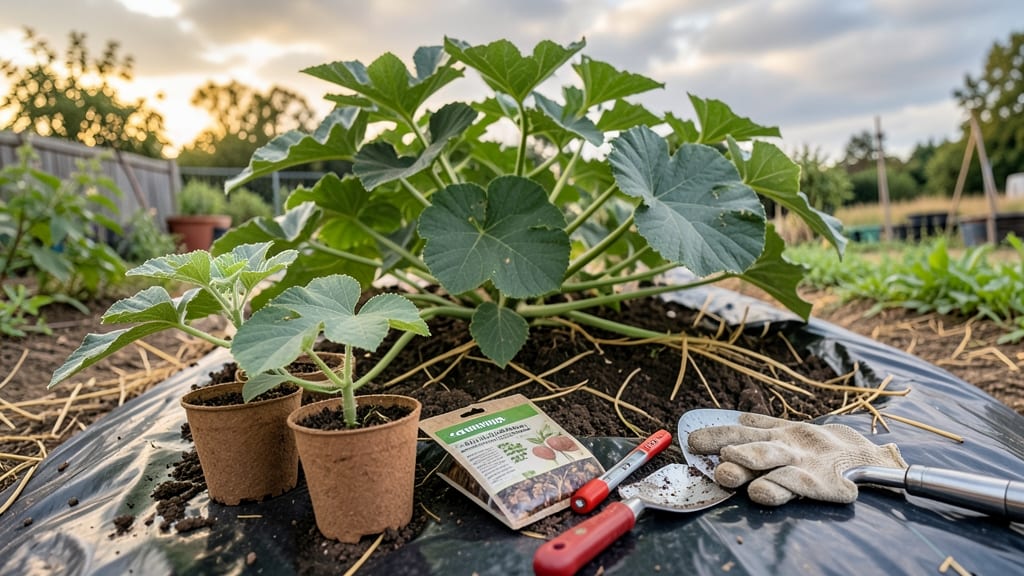
If you're dreaming of homegrown cantaloupe in Missouri, timing is the game-changer—plant too early, and frost will nip your vines; too late, and summer's heat might pass before your melons ripen.
The sweet spot? Understanding your region's microclimate, whether you're in northern Missouri's cooler zones or southern areas that bake earlier.
Here's the secret Missouri gardeners swear by: cantaloupe thrives when soil hits 70°F+, which typically means waiting until late April or early May in most areas.
But don't just guess—we'll break down exact dates for your specific zone, plus pro tips to stretch your growing season for that perfect harvest before fall's chill arrives.
Ready to grow cantaloupe that rivals your grocery store finds? I'll walk you through Missouri's ideal planting windows, whether you're starting seeds indoors or sowing directly into warmed soil. Let's get those vines growing strong so you can enjoy homegrown sweetness all summer long.
From choosing the right varieties for Missouri's heat to extending your harvest with clever techniques, this guide covers everything you need to know. No more wasted seeds or missed opportunities—just a bountiful cantaloupe patch waiting for you.
Best planting dates for cantaloupe in Missouri’s climate zones
Missouri’s USDA zones 5–7 create distinct microclimates where cantaloupe thrives—but only when planted at the right time. In northern Missouri (zones 5a–5b), the growing season is shorter, while southern Missouri (zones 6a–7a) enjoys longer summers.
The key? Planting after the last frost date (typically mid-April to early May) and when soil temperatures hit 70°F+.
Cantaloupes are heat-loving annuals that despise cold soil. If you plant too early, seeds rot; too late, and your harvest arrives before the first frost. Missouri’s average frost-free dates range from April 15 in southern regions to May 15 in northern areas.
Use these as your baseline, but always verify with your local Missouri Climate Center for precise forecasts.
Here’s the golden rule: Wait until the soil is at least 70°F at a 4-inch depth. A simple soil thermometer (available for $10–$15) takes the guesswork out.
In northern Missouri, this usually aligns with late May, while southern Missouri gardeners can start as early as mid-April under black plastic mulch.
For direct sowing (the preferred method for cantaloupes), aim for:
- Southern Missouri: April 15–May 1 (soil temps 70°F+)
- Central Missouri: May 1–15 (soil temps 70°F+)
- Northern Missouri: May 15–June 1 (soil temps 70°F+)
If you’re eager to jumpstart your season, consider starting seeds indoors 2–3 weeks before your target outdoor date. Use biodegradable pots and transplant seedlings outdoors after the last frost, but be prepared to cover young plants with frost cloth if nighttime temps dip below 50°F.
Cantaloupes are sensitive to transplant shock, so avoid this method unless absolutely necessary.
Missouri’s short growing season (typically 120–150 days from planting to harvest) means you’ll need to choose fast-maturing varieties (60–75 days) to avoid frost. For example, ‘Sugar Bush’ matures in 65 days, while ‘Hale’s Best’ takes 80 days.
Always calculate backward from your first expected frost date (usually October 15–November 1) to determine your latest planting window.
Pro tip: Black plastic mulch can warm soil by 5–10°F, allowing you to plant 2–3 weeks earlier in cooler regions. Lay it down 1–2 weeks before planting and create small slits for seeds. This trick is a game-changer for northern Missouri gardeners.
For container gardening, use 5-gallon pots and plant after the last frost. Containers warm up faster than soil, so you can often plant 1–2 weeks earlier than in-ground gardens. Just ensure pots have drainage holes and use lightweight potting mix to prevent root rot.
Missouri’s humid summers can stress cantaloupes, so avoid planting in low-lying areas where water pools. Instead, choose slightly elevated beds with well-draining soil to prevent fungal diseases like powdery mildew. A pH of 6.0–6.8 is ideal—test
Best planting dates for cantaloupe in Missouri’s climate zones
Missouri’s climate varies dramatically from the cooler northern regions (like St. Louis) to the warmer southern areas (such as Springfield), making planting dates critical. Cantaloupe hates cold soil—it needs temperatures above 70°F to germinate properly.
In Missouri, this typically means waiting until late April to early May in most areas, but timing shifts based on your specific zone.
The last frost date is your first clue, but don’t rely on it alone. Southern Missouri (USDA zones 6b-7a) can plant 2-3 weeks earlier than northern Missouri (zones 5b-6a).
For example, if your last frost is April 15, southern gardeners might start sowing seeds May 1-5, while northern gardeners should wait until May 15-20.
Here’s the key rule: Wait until soil is warm. Stick your finger 3 inches deep—if it feels warm to the touch, it’s ready. A soil thermometer is even better; aim for 70°F+.
In Missouri, this usually aligns with mid-May, but early starts can fail if nights stay chilly.
| Zone | Last Frost Date | Soil Warmth Target | Optimal Planting Window | Notes |
|---|---|---|---|---|
| Northern MO (5b-6a) | April 15-May 1 | 70°F+ (mid-May) | May 15-20 (direct sow) | Use row covers for early starts |
| Central MO (6a-6b) | April 1-May 1 | 70°F+ (late April-early May) | May 1-10 (direct sow) | Start seeds indoors 3-4 weeks early |
| Southern MO (6b-7a) | March 15-April 1 | 70°F+ (early April) | April 15-May 1 (direct sow) | Longer growing season—try 2 plantings |
For direct sowing (the preferred method for cantaloupe), plant seeds 1 inch deep and 2 feet apart in hills. If you’re starting indoors, begin seeds 3-4 weeks before your last frost date, but transplant only after soil warms. Never transplant cold-soaked seedlings—they’ll shock and die.
Missouri’s first frost typically hits October 15-November 1, giving cantaloupe about 120-150 days to mature. Choose fast-maturing varieties (like ‘Sugar Bush’) if you’re in northern Missouri to maximize your harvest window.
Pro tip: Monitor your local weather and adjust planting dates if spring is unusually cold. Cantaloupe won’t tolerate frost, so plan for a late harvest—or use row covers to extend your season by 2-3 weeks if needed.