
Plants
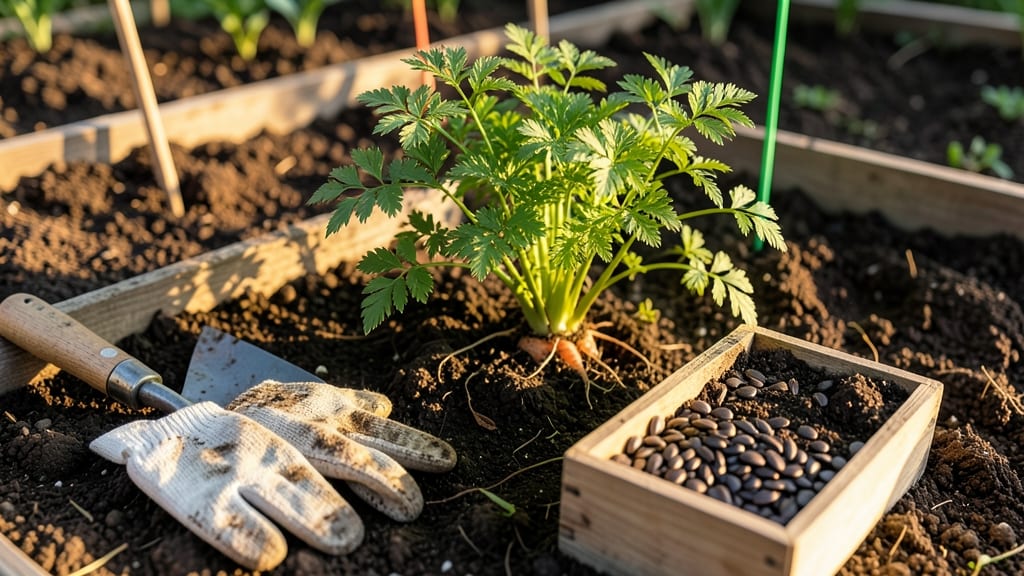
Timing your 🥕 carrot planting in San Diego isn’t just about the calendar—it’s about beating the heat, avoiding bolting, and working with your microclimate. Whether you’re in coastal 10a or inland 10b, getting it wrong means either stunted roots or wasted seeds.
Here’s the secret: fall planting (September–November) is your golden ticket for sweet, crisp harvests from December to April. But if you’re in inland areas, you’ll need to adjust for that extra heat—think shorter varieties and shade protection. Let’s break down exactly when to plant for zero-bolt success.
You’ll also learn how to extend your growing season with simple tricks like row covers and succession planting. And if you’ve ever struggled with sandy soil or inconsistent watering, I’ve got local-specific fixes to keep your carrots thriving.
Ready to grow carrots that actually reach their full potential? Let’s dive into the best planting windows and microclimate hacks tailored just for San Diego gardens.
Best planting windows for carrots in San Diego’s coastal vs inland microclimates
San Diego’s unique Mediterranean climate creates two distinct growing zones for carrots: coastal areas with milder winters and inland regions with hotter summers. Timing is everything—bolt-resistant varieties thrive when soil temps stay between 55°F and 75°F, avoiding the spring heat that triggers premature flowering.
Coastal gardeners enjoy longer fall planting windows thanks to ocean breezes, while inland growers must focus on winter and early spring to escape summer’s intensity. The key? Soil temperature—carrots need 50°F minimum to germinate and avoid heat stress above 80°F.
| Factor | Coastal San Diego | Inland San Diego |
|---|---|---|
| Best Planting Window | September–November January–March |
October–December January–February |
| Soil Temp Threshold | 55°F–75°F | 50°F–70°F |
| Heat Risk | Low (cooler summers) | High (90°F+ common) |
| Microclimate Tip | Use shade cloth in late spring | Plant short-day varieties only |
| Harvest Window | December–April | March–May |
For coastal San Diego, aim for September–November planting—this gives roots time to mature before winter rains. January–March is your second chance for a spring harvest before summer heat arrives. Use bolt-resistant varieties like ‘Danvers Half Long’ or ‘Nantes’ to extend your window.
Inland gardeners should avoid spring planting entirely—temps rise quickly, causing carrots to bolt and flower instead of forming roots. Instead, focus on fall (October–December) and early winter (January–February) plantings. Short-day varieties like ‘Paris Market’ handle heat better than standard types.
Pro tip: Test soil temperature before planting—use a soil thermometer to confirm 50°F+. Coastal areas hit this by mid-September, while inland zones may need to wait until November. Loose, rocky-free soil is critical—San Diego’s sandy loam works, but amend with compost to prevent forking.
If you’re in a transition zone (e.g., near Mission Hills), split your planting: half in September for a winter harvest and half in January for spring carrots. This succession method ensures a steady supply without bolting risks.
Remember: Carrots hate heat. Even coastal areas can see 85°F+ days in late spring, so always plant shade-tolerant varieties if extending into March–April. Row covers can buy you 2–3 extra weeks of growing time.
For container growing in San Diego, stick to smaller varieties like ‘Little Finger’ and plant in deep pots (12"+ depth). Coastal containers can plant 2 weeks earlier than ground beds—late August–September—since they warm up faster.
Finally, water consistently—San Diego’s dry winds dry out soil quickly. Drip irrigation is ideal for maintaining even moisture without triggering bolting. Morning watering prevents fungal issues too.
With these microclimate-specific windows, you’ll avoid the #1 San Diego carrot killer: heat-induced bolting. Happy planting—your crisp, homegrown carrots are just a few months away! 🥕
Best planting windows for carrots in San Diego’s coastal vs inland microclimates
San Diego’s Mediterranean climate creates two distinct growing zones for carrots: coastal 10a (milder winters) and inland 10b (hotter summers). The key difference? Coastal areas can plant earlier in fall and later in winter without bolting risks, while inland gardens must rush spring plantings to avoid summer heat stress.
For both zones, the ideal soil temperature for carrot seeds is between 60°F–70°F. Coastal soils cool faster in fall, while inland soils stay warmer longer—this affects your planting timeline by 3–4 weeks. Let’s break down the exact windows for each microclimate.
🥕 San Diego Carrot Planting Comparison
| Factor | Coastal (10a) | Inland (10b) |
|---|---|---|
| Best Planting Window | Sep 15–Nov 15 | Oct 1–Nov 15 |
| Soil Temp Threshold | 60°F–70°F | 65°F–75°F |
| Spring Window | Jan 15–Mar 15 | Feb 1–Mar 15 |
| Harvest Window | Dec–Apr | Apr–Jun |
| Key Challenge | Fog delays germination | Summer heat bolting |
Notice how coastal gardens can plant 4 weeks earlier in fall? That’s because marine layers keep soils cooler. Inland gardeners should prioritize short-day varieties like ‘Paris Market’ or ‘Little Finger’ to avoid bolting when days lengthen in late winter.
Pro tip: Use a soil thermometer to confirm temps before planting. Coastal soils often hit 60°F by mid-September, while inland soils may need until early October. This small check prevents wasted seeds.
For inland areas, pair fall planting with shade cloth (30–50%) to protect seedlings from afternoon sun. Coastal gardeners can skip this step—just watch for morning fog, which can delay germination by 3–5 days.
Remember: Spring planting is riskier in both zones. By March, San Diego’s heat ramps up quickly—coastal carrots may bolt by April 15, while inland ones struggle by April 1. Stick to fall for reliable harvests.