
Plants
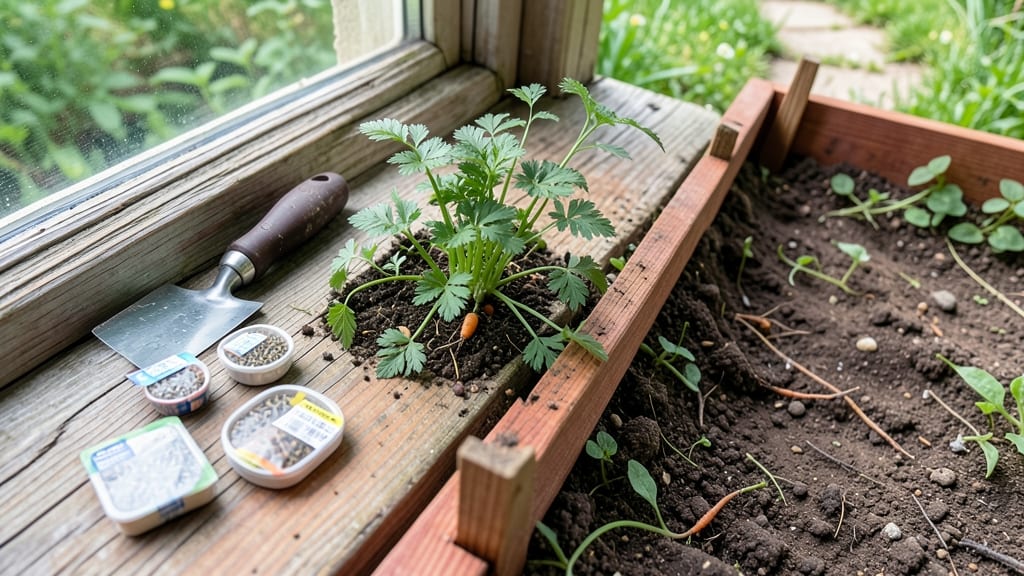
Timing your 🥕 carrot planting in Zone 9a isn’t just about throwing seeds in the ground—it’s about outsmarting the heat and avoiding bitter, bolted roots before they even form.
Get the schedule wrong, and you’ll end up with more frustration than fresh harvests, especially when summer’s relentless sun turns your garden into a sauna.
Here’s the game-changer: Planting 🥕 carrots in Zone 9a works best in two critical windows—fall and winter—when temperatures cooperate and daylight hours stay just right. Skip these months, and you risk triggering bolting (that’s when your carrots flower and go to seed before you get a single crisp root).
I’ll break down the exact months to plant for foolproof success, plus pro tips to tweak your schedule if your microclimate runs hotter or cooler than the average 9a. Whether you’re a first-time gardener or a seasoned grower, these dates will save you from wasted seeds and slimy, forky roots.
Ready to grow sweet, straight carrots all year? Let’s dive into the planting calendar that actually works for Zone 9a’s tricky climate—no guesswork, just results.
Optimal planting windows for carrots in Zone 9a by season
Zone 9a gardeners have a unique advantage with carrots—the mild winters and long growing season let you plant twice a year for continuous harvests. But timing is everything. Plant too early in summer, and your carrots will bolt (go to seed) before forming sweet roots.
Too late, and you’ll miss the cool weather window that prevents bitterness. Let’s break down the exact months to plant for maximum success.
Carrots thrive when soil temperatures stay between 50°F and 75°F. In Zone 9a, this means avoiding the peak summer heat (June-August) and focusing on fall and winter plantings.
The best window starts in late September and continues through February, with two primary planting phases: fall (September-November) and winter (January-February).
Here’s the key: Daylength matters. Carrots are sensitive to long daylight hours, which trigger bolting. In Zone 9a, days are longest in summer (14+ hours) and shortest in winter (10 hours). Planting in fall or winter gives you the 12-14 hour daylight range that carrots prefer, reducing bolting risk.
🌱
| Planting Window | Ideal Months | Soil Temp | Daylight Hours | Harvest Window | Notes |
|---|---|---|---|---|---|
| Fall Planting | Late Sept - Nov | 55°F - 70°F | 12-13 hrs | Dec - Mar | Best for sweet roots; avoid Nov if temps drop below 50°F |
| Winter Planting | Jan - Early Feb | 50°F - 65°F | 10.5-11.5 hrs | Feb - Apr | Use shade cloth if temps exceed 75°F; ideal for short-day varieties |
| Summer Planting (Risky) | June - July | 75°F+ | 14+ hrs | Bolting likely | Only attempt with heat-tolerant varieties (e.g., 'Danvers Half Long') and shade cloth |
For fall plantings, aim to sow seeds 6-8 weeks before your first frost (typically mid-December in Zone 9a). This gives roots time to mature before temperatures drop below 50°F.
I’ve had the most success planting in late September—this timing lets you harvest through winter and early spring when carrots are at their sweetest.
Winter plantings in January-February work well for short-day varieties like 'Paris Market' or 'Little Finger'. These carrots tolerate cooler temps and shorter daylight, making them perfect for Zone 9a’s mild winters. Just be prepared to protect seedlings with row covers if nighttime temps dip below 45°F.
If you’re eager for a summer harvest, you can attempt planting in late May or June, but expect challenges. Use shade cloth (30-50%) to reduce soil temps and choose bolting-resistant varieties like 'Nantes' or 'Chantenay'.
I’ve seen mixed results—some years it works, others the carrots turn woody and bitter.
Pro tip: Test your soil temperature before planting. Use a soil thermometer to confirm temps are between 55°F and 70°F. If it’s hotter, wait a week or two—carrots won’t germinate well in soil above 80°F.
I keep one buried in my garden bed to track temps daily during planting season.
🌿
Don’t forget to succession plant every 2-3 weeks during your chosen window. This staggered approach ensures a continuous supply of fresh carrots. For example, if you plant 10 seeds every 3 weeks from September through November, you’ll have harvests ready every 60-70 days.
Finally, avoid planting in August—this is the bolting danger zone in Zone 9a. The combination of long daylight hours and high soil temps sends carrots into seed production mode. Instead, use that time to prepare your beds with compost and mulch for your
Optimal planting windows for carrots in Zone 9a by season
Zone 9a’s mild winters and long growing season create perfect conditions for year-round carrot production, but timing is everything. Plant too early, and your carrots bolt from increasing daylight—too late, and summer heat stresses tender seedlings.
The key lies in soil temperatures (ideal: 55-75°F) and daylight sensitivity, which peaks in summer.
In Zone 9a, I focus on two primary windows: fall (for winter harvests) and early spring (for summer crops). Each has unique challenges—fall plantings race against cooling temps, while spring plantings must avoid early heat. Let’s break down the exact months and microclimate adjustments to maximize success.
For fall plantings, I start seeds in late September when daytime temps drop below 80°F. This gives roots time to establish before winter rains. Use 30% shade cloth in October to reduce daylight exposure and delay bolting.
In Zone 9a’s coastal areas, you can push plantings into early December—just cover seedlings with frost cloth if temps dip below 40°F.
Winter plantings in January–February are my favorite for crisp, sweet carrots. The cooler temps and longer daylight create ideal conditions, but water consistency is critical. I mulch with straw to lock in moisture and fertilize lightly with 5-10-10 to encourage root growth.
Harvest begins in March, just as summer heat approaches.
Summer plantings are high-risk but rewarding if you adapt. I only attempt this in partial shade (4–6 hours sun) using 50% shade cloth. Plant every 2 weeks from June–July for staggered harvests. Choose short-day varieties like ‘Paris Market’ to minimize bolting. Water deeply twice daily to prevent stress.
Pro tip: Test your soil before planting—Zone 9a soils often lack organic matter, leading to forked roots. Amend with compost and sand for loose, well-draining beds. Aim for a pH of 6.0–7.0 to prevent bitter flavors.