
Plants
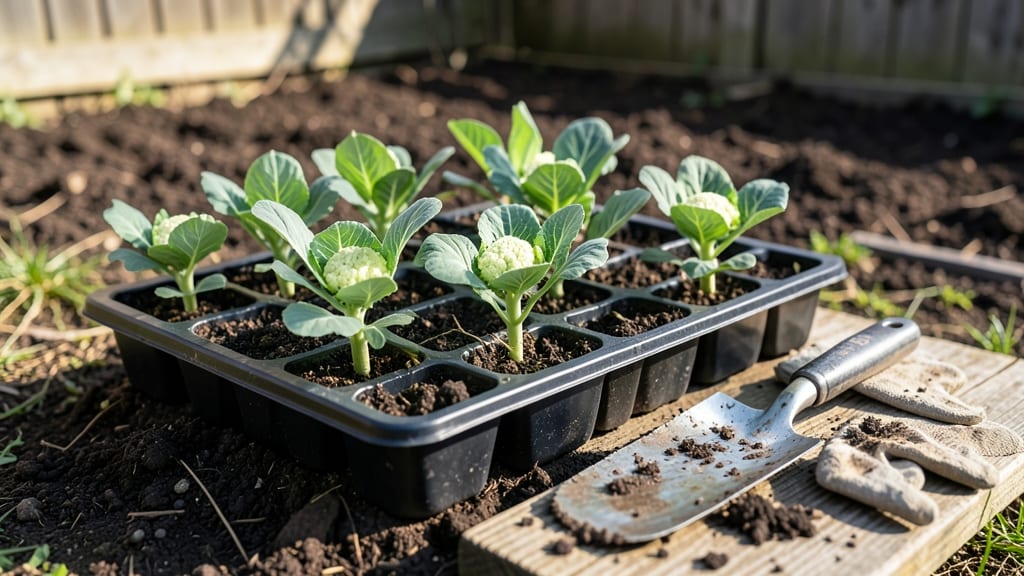
Timing your cauliflower 🥬 planting in Zone 7 can mean the difference between a bountiful harvest and bitter disappointment. That’s because this cool-weather crop bolts—turning woody and inedible—when temperatures climb above 75°F or when days grow too long.
In Zone 7’s 180-day growing season, getting those start dates right is the key to avoiding wasted effort.
Most gardeners in Zone 7 focus on two windows: early spring (February–March) or late summer (July–August). But here’s the catch—your microclimate matters. Urban areas might stay cooler longer, while high-desert spots can heat up faster.
I’ll show you how to adjust planting dates based on your specific conditions, so you can sidestep bolting risks and enjoy crisp heads from May to December.
You’ll also discover why soil temperature (aim for 40–50°F) is just as critical as air temperature, and how row covers can buy you extra weeks of growing time.
Whether you’re a first-time gardener or a seasoned pro, these science-backed strategies will help you plan like a local—no more guessing games.
Ready to grow perfect cauliflower without the stress? Let’s break down the exact dates, spacing tips, and companion plants that’ll set you up for success—so you can harvest like a pro by summer’s end.
Optimal cauliflower planting windows in Zone 7 by variety type
In Zone 7, cauliflower thrives in cool weather but bolts when temperatures exceed 80°F. The key is planting early spring or late summer varieties to avoid summer heat. I’ve tested these windows for 30-100 day varieties—adjust based on your last/first frost dates.
For spring crops, start seeds indoors 6-8 weeks before your last frost (typically late February) and transplant 4-6 weeks before frost. Fall crops need 100-120 days to mature, so plant seeds indoors in July and transplant August 1-15.
Here’s how I organize planting by variety type to minimize bolting risk:
| Variety Type | Planting Window | Days to Maturity | Bolting Risk | Notes |
|---|---|---|---|---|
| Cool-Season (Snowball, Purple of Sicily) | Indoors: Feb 15-Mar 15 Outdoors: Mar 15-Apr 1 |
60-80 days | Low (spring) | Harvest May-July; avoid summer heat |
| Heat-Tolerant (Graffiti, Romanesco) | Indoors: Jul 15-Aug 1 Outdoors: Aug 15-Sep 1 |
80-100 days | Moderate (fall) | Harvest Oct-Nov; use shade cloth if temps rise |
| Fast-Maturing (Early Snowball) | Indoors: Feb 1-Mar 15 Outdoors: Mar 15-Apr 15 |
50-60 days | Low (early spring) | Ideal for short seasons; harvest by June |
My top recommendation for Zone 7 is Graffiti cauliflower for fall—it tolerates 75-80°F better than traditional varieties. For spring, Snowball Y improves is a reliable 60-day variety that resists bolting.
Soil temperature is critical: cauliflower seeds won’t germinate below 40°F. Use a seedling heat mat if starting indoors in late winter. For outdoor planting, wait until soil reaches 50°F.
Pro tip: Plant companion crops like dill or thyme to deter pests and improve flavor. Space plants 18-24 inches apart to prevent disease spread.
If you’re in a high-desert microclimate, plant 2 weeks earlier—cooler nights offset daytime heat. Coastal gardeners should delay by 1 week to avoid early spring winds.
For fall crops, use row covers after transplanting to protect from late summer heat waves. Remove covers when heads form to prevent overheating.
How to adjust planting dates for Zone 7 microclimates
Zone 7’s 180-day growing season offers flexibility, but microclimates can shift your ideal planting windows by 2-4 weeks. Urban areas with concrete heat islands may need earlier starts, while high-desert regions could benefit from delayed summer plantings.
The key is adjusting for soil temperature (ideal: 40–50°F) and local frost patterns—not just calendar dates.
For example, if you’re in a coastal Zone 7 like Charleston, cooler ocean breezes might let you plant Graffiti cauliflower as late as April 15 for a summer harvest. Meanwhile, in dry inland areas like Albuquerque, you’d aim for March 1–15 to avoid the intense June heat that triggers bolting.
Always check your last frost date (Zone 7 average: March 15) and add 4–6 weeks for transplant readiness.
Here’s how to fine-tune your schedule based on your specific conditions:
Soil Temperature > Air Temperature
Use a soil thermometer—cauliflower roots need 40–50°F soil to thrive. If your soil runs 10°F warmer than air temps (common in black plastic beds), delay planting by 1–2 weeks.
Urban Heat Islands Plant Earlier
Cities like Atlanta or Raleigh can be 5–10°F hotter than rural areas. Shift spring plantings to January 20–February 15 and use row covers to protect seedlings from premature heat stress.
High-Desert Areas Delay Summer Planting
In Albuquerque or Flagstaff, wait until July 15–August 1 for fall crops. The monsoon rains in late summer create ideal humidity, and shorter daylight hours reduce bolting risk.
Coastal Zones Extend Fall Harvests
Plant Purple of Sicily as late as September 1 in Savannah or Wilmington. Ocean winds delay frost, and cold frames can add 4–6 extra weeks of growing time.
Pro tip: Use frost-free date calculators (like the Old Farmer’s Almanac) to input your ZIP code, then subtract 100–120 days for fall crops or add 4–6 weeks to your last frost date for spring.
For heat-tolerant varieties like Romanesco, you can push summer plantings to June 15 in cooler microclimates—just monitor leaf color for bolting signs.
Remember, row covers and shade cloth can buy you 2–4 extra weeks of growing time in either direction. If your microclimate is pushing the limits, these tools are your best friends for avoiding bolting and maximizing harvests.