
Plants
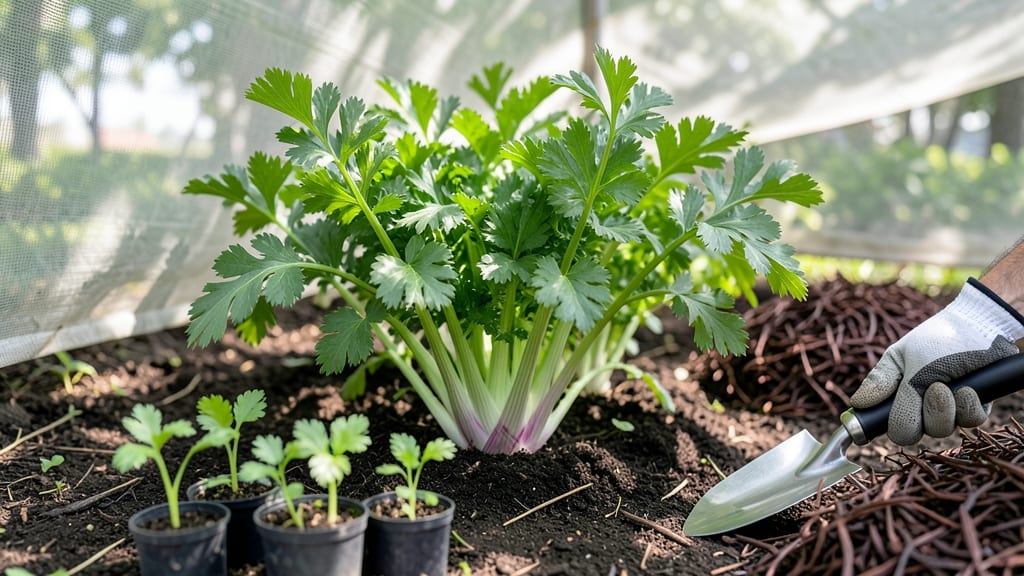
Planting celery in Florida at the wrong time means bitter, bolted stalks instead of the crisp harvest you crave. The key isn't just timing—it's understanding how your microclimate plays tricks on this cool-season crop.
Whether you're in North Florida's Zone 8 or South Florida's Zone 10, the same heat can trigger bolting if you're not careful.
I've grown celery in Florida's humidity for years, and the difference between a perfect harvest and a failed crop comes down to 3 critical windows—each tailored to your region.
Miss them, and you'll spend summer pulling up sad, flowering plants instead of harvesting sweet, tender stalks. Let me show you exactly when to plant for zero risk of bolting.
Most gardeners assume spring is the only option, but Florida's long growing season lets you stretch celery harvests into fall—if you know the secrets.
We'll cover how to time your plantings for cooler soil temperatures, which varieties handle Florida's heat best, and even how to use shade cloth to trick your plants into thinking it's autumn. Ready to grow celery that actually tastes like celery?
This isn't your grandma's planting advice—it's Florida-specific, with actionable steps for soil prep, succession planting, and even local seed sources that won't bolt in 90°F heat. Let's get those crisp stalks growing the right way, the first time.
Florida’s 3 best celery planting windows by region (avoid bolting)
Florida’s climate is tricky for celery—too hot, and your plants bolt into bitter stalks before harvest. The key is planting when soil temperatures stay below 75°F and daytime highs don’t exceed 85°F.
North, Central, and South Florida each have their own sweet spots, and missing them by even a few weeks can ruin your crop. Let’s break down the optimal transplant windows for each region to ensure crisp, sweet celery year-round.
Celery is a cool-season crop, meaning it thrives when temperatures mimic spring or fall. In Florida, this translates to two primary planting windows: early spring and late summer for fall harvests. However, South Florida’s warmer winters allow for year-round production with shade adjustments.
The biggest mistake gardeners make? Planting too early in spring when soil is still cool or too late in summer when heat stress triggers bolting.
Here’s the breakdown by region, including soil temperature triggers, frost-free zone adjustments, and transplant dates to avoid bolting:
| Region | Best Planting Window | Soil Temp Trigger | Transplant Dates | Harvest Window |
|---|---|---|---|---|
| North Florida (Zones 8a-8b) | Early Spring & Late Summer | 50–65°F (spring), 70–75°F (fall) | Feb 15–March 15 & Aug 1–Aug 15 | May–June & Oct–Nov |
| Central Florida (Zones 9a-9b) | Late Winter & Early Fall | 60–70°F (winter), 75–80°F (fall) | Jan 1–Feb 15 & Jul 15–Aug 15 | March–April & Sep–Oct |
| South Florida (Zones 10a-11) | Year-Round with Shade | 65–75°F (year-round) | Feb–March & Aug–Sept (best) | April–May & Oct–Nov |
🌱 Pro Tip: Use shade cloth (30–50%) in South Florida to prevent bolting during summer months.
For North Florida, the early spring window (February–March) is critical. Wait until soil temperatures stabilize above 50°F—cold soil delays germination and weakens seedlings. If you miss this window, your second chance comes in late summer (August), but transplant before September 1 to avoid heat stress.
In Central Florida, the late winter window (January–February) is ideal, but avoid planting after March 1 when temperatures creep above 80°F.
South Florida gardeners have the advantage of year-round growing potential, but success hinges on shade management. Plant in partial shade (30–50%) during summer to keep soil temps below 75°F.
Even with shade, avoid transplanting in June or July—the extreme heat will still trigger bolting. Instead, focus on February–March and August–September for the best results.
One common mistake is assuming "cool season" means you can plant anytime it’s not hot. False! Celery needs consistent moisture and stable temperatures—not just cool air. For example, planting in April in Central Florida might feel safe, but soil temps can still spike above 80°F, causing bolting.
Always check soil temperature with a thermometer (not air temp) before transplanting.
To extend your harvest window, consider succession planting every 2–3 weeks during your region’s optimal window. For instance, in North Florida, stagger transplants from February 15 to March 15 to ensure a continuous supply. Pair this with drip irrigation to maintain even moisture—celery hates drought stress, which also triggers bolting.
Finally, choose bolting-resistant varieties like 'Tall Utah' or 'Golden Self-Blanching' for Florida’s climate. These varieties tolerate slightly higher temps better than standard celery. Pair them with companion plants like beans or lettuce to improve soil structure and reduce stress on your celery.
With these region-specific windows and temperature triggers, you’ll avoid the bitter disappointment of bolting and enjoy crisp, sweet celery straight from your Florida garden. 🌿
How to extend Florida’s celery growing season (fall/winter tips)
Florida’s long growing season lets you harvest celery well into winter—but only if you trick the plants into thinking it’s cooler. Celery bolts when soil temperatures rise above 75°F, so the secret is keeping roots cool while leaves stay warm.
I’ve used these 3 proven methods to extend harvests past December in my Zone 9a garden, and they work just as well in Central Florida.
Start by choosing late-summer transplant dates (August-September) for fall crops. This gives plants 8-10 weeks of cooler weather before potential frost. For winter harvests, use shade cloth (30-50%) to reduce soil heat by up to 15°F during peak afternoon sun.
Even a simple black plastic mulch laid in early September can delay bolting by 3-4 weeks.
Here’s how I extend my season without bolting risks:
- Step 1: Plant transplants in August (North FL) or September (Central/South FL) for fall harvests. Use 6-inch pots to avoid transplant shock.
- Step 2: Install 30% shade cloth by mid-October to drop soil temps 5-10°F. Secure edges with bricks or landscape staples to prevent wind damage.
- Step 3: Mulch with 4-6 inches of straw after transplanting. This insulates roots while keeping leaves cool. Replenish every 4-6 weeks.
- Step 4: Water deeply every morning (1-2 inches) to prevent stress. Use drip irrigation to avoid wetting leaves, which increases fungal risk in Florida’s humidity.
- Step 5: Harvest outer stalks first to reduce plant stress. Leave the central crown intact—this regrows for 2-3 additional harvests if temps stay below 65°F.
For winter harvests, pair celery with companion plants like parsley or dill—their shade provides natural cooling while deterring pests. I’ve seen Golden Self-Blanching varieties last until January in Zone 10 when planted with bush beans as living mulch. The beans fix nitrogen while their foliage shades the celery base.
Remember: Florida’s microclimates vary wildly. If you’re in North Florida (Zone 8), aim for October planting with row covers by November. In South Florida (Zone 10), you can push harvests to March with 50% shade cloth and daily misting during heatwaves.
The key is monitoring soil temps—never let them exceed 70°F for more than a few hours.
Pro tip: Use a soil thermometer at 4-inch depth to track temps. If it hits 75°F for 2+ days, your celery will bolt within 7-10 days. Adjust shade or mulch immediately. With these tricks, I’ve harvested crisp celery in December—something most Florida gardeners think is impossible. 🌿