
Trees
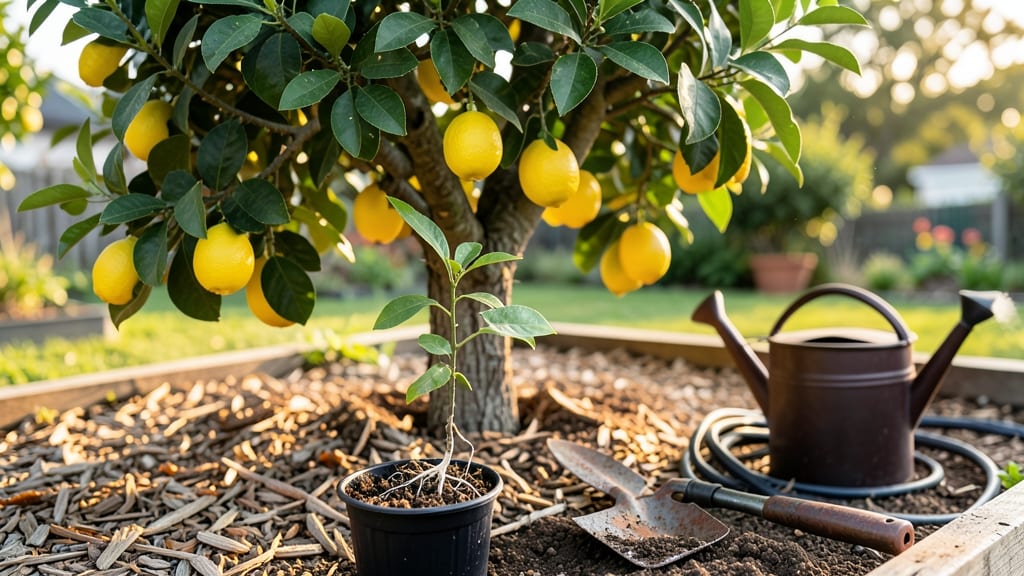
Arizona’s ideal frost-free window for planting citrus trees is a game-changer—get it wrong, and your 🍊 could freeze before it even takes root. The secret lies in timing: between November and March, when temperatures stay mild and the risk of sudden cold snaps drops dramatically.
If you plant too early, your citrus tree might struggle with Arizona’s intense summer heat. Too late, and winter frosts could sneak in, especially in higher desert areas like Flagstaff. The key is to establish roots before the monsoon season arrives, giving your tree a strong foundation for year-round growth.
But here’s the thing: not all citrus varieties thrive equally in Arizona’s microclimates. Some, like lemons, handle cooler nights better than oranges, while grapefruit might need extra protection in unexpected chilly spells. I’ll break down the best months for each type and how to shield your tree from Arizona’s quirks.
Ready to grow a thriving citrus tree? Let’s dive into the exact planting schedule—and the mistakes to avoid—that will keep your 🍊 flourishing for years.
Best planting months for citrus trees in Arizona by variety
Arizona’s 300+ frost-free days create the perfect window for citrus planting, but timing matters. The ideal months are November through March, when temperatures stay mild and monsoon risks fade. This gives roots time to establish before summer’s intense heat arrives.
Citrus trees thrive in Arizona’s USDA Zone 9b, but microclimates vary dramatically. Phoenix and Tucson offer longer frost-free windows, while high desert areas like Prescott face earlier cold snaps. Always check your local last frost date—typically mid-December in most regions.
Here’s how to align planting with variety-specific needs and regional conditions:
For container-grown citrus, you can plant slightly earlier (late October) since pots warm faster. However, avoid planting in April or later—summer’s heat stresses young roots, and monsoon rains can drown shallow containers.
If you’re in Yuma or southern Arizona, extend your window to April for cooler microclimates. Just ensure soil stays 60–70°F for root growth. Use a soil thermometer to monitor—citrus roots struggle below 55°F.
Pro tip: Bare-root trees (sold without soil) plant best in November–January when dormant. Container-grown trees offer more flexibility but need acclimation if moving from a nursery to your yard.
Watch for unexpected frost warnings—even in Zone 9b. Cover young trees with frost cloth if temps drop below 30°F. Mulch heavily (4–6 inches) to insulate roots during January’s rare cold snaps.
Timing isn’t just about months—it’s about soil warmth and rainfall patterns. Plant after the monsoon season (late Sept–Oct) to avoid waterlogged soil, which can rot roots before they establish.
By aligning your planting with these variety-specific windows, you’ll give your citrus trees the best shot at thriving in Arizona’s extreme climate swings. 🌱
How to prepare your Arizona soil and site for citrus planting
Arizona’s desert soil may look perfect for citrus trees, but it often lacks the organic matter and drainage these tropical plants need. Before planting, I test my soil’s pH level—citrus thrives between 6.0 and 7.0.
If your soil is too alkaline (common in Arizona), I mix in sulfur or peat moss to lower the pH gradually over 2-3 months.
Next, I focus on improving drainage. Citrus roots rot in soggy soil, so I avoid low-lying areas. If your yard has clay-heavy soil, I blend in coarse sand or perlite to create air pockets.
For container growing, I use a mix of 50% potting soil, 30% perlite, and 20% compost to mimic ideal conditions.
🌱
⚠️ WARNING: Arizona’s Frost Risk
Even in USDA Zone 9b, unexpected frosts can hit high desert areas like Flagstaff or Prescott. I never plant citrus outdoors before November 1st—even in Phoenix. For extra protection, I use frost cloth or row covers during December-February, especially for tender varieties like meyer lemons.
💧 Pro Tip: Water deeply before a frost to insulate roots.
Sunlight is non-negotiable for citrus. I choose a south-facing spot with 8+ hours of sun daily. In Arizona’s intense heat, afternoon shade helps prevent leaf scorch, so I plant near a partial shade structure or use drip irrigation to keep foliage cool.
Avoid windy areas—strong desert winds dry out young trees quickly.
Before planting, I amend the soil with 3 inches of compost or well-rotted manure. I also add a slow-release fertilizer (like 6-6-6 NPK) to give roots a nutrient boost. For containers, I repot into a 15-gallon pot with fresh mix if the tree has outgrown its current home.
Finally, I mulch heavily with wood chips or straw to retain moisture and regulate soil temperature. I keep mulch 3 inches away from the trunk to prevent rot. This step is critical in Arizona’s summer heat, where soil can reach 120°F+.
With these prep steps, my citrus trees establish roots quickly and handle Arizona’s extreme temperature swings—from 110°F summers to 30°F frosts—like champions. The key? Preparation beats panic every time. 🪴