
Plants
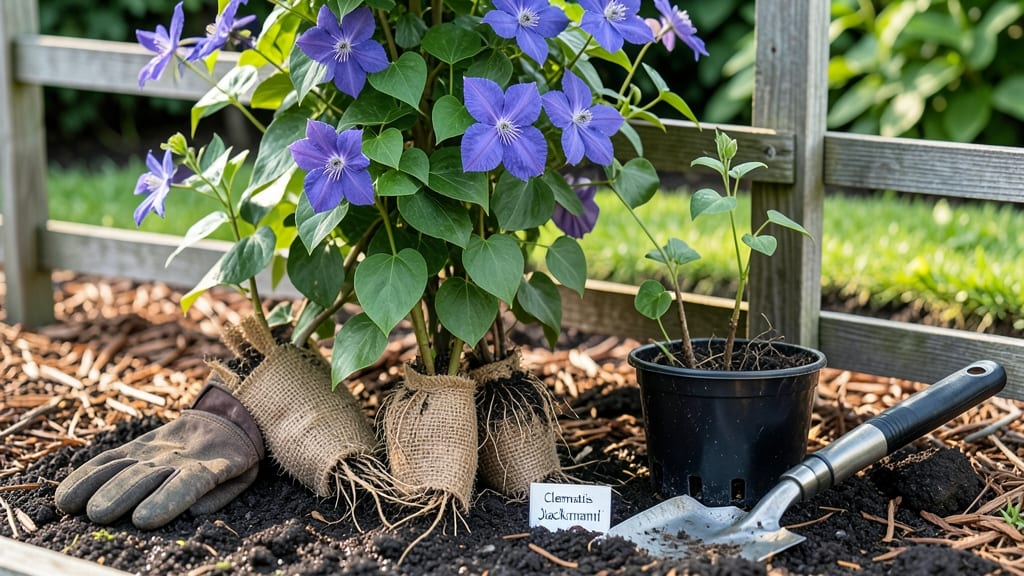
Timing your clematis planting in Zone 8 could mean the difference between a vibrant display of blooms and struggling vines that never quite thrive. This ornamental powerhouse—with its stunning 🌸 flowers—demands precision, especially in a climate where spring and fall temperatures shift quickly.
Most gardeners in Zone 8 assume planting in early spring is the only option, but the truth is, late fall often gives clematis a head start on root establishment before summer heat arrives.
Whether you're a seasoned gardener or just starting, knowing the exact window for planting can save you from common mistakes that lead to weak growth or even plant loss.
In this guide, I’ll break down the ideal months for planting clematis in Zone 8, including soil prep tips and how to adjust for your local microclimate. You’ll learn why some varieties bloom better when planted in fall, and how to protect your investment from unexpected frost or heatwaves.
Ready to transform your garden with lush, thriving clematis? Let’s get started with the best strategies for planting at the perfect time—so you can enjoy those dreamy flowers for years to come.
Optimal planting months for clematis in Zone 8: spring vs fall timing
Timing your clematis planting in Zone 8 is critical for vibrant blooms and long-term health. The best months are early spring (March-April) or late fall (October-November), when soil temperatures hover between 40°F and 60°F. This window allows roots to establish before extreme heat or cold stress.
Zone 8’s mild winters and hot summers create unique challenges. Fall planting often yields stronger first-year growth because cooler temps reduce transplant shock. However, spring planting gives vines more time to establish before summer’s intensity.
🌸
For spring planting, wait until after your last frost date (March 15) and when soil temperatures consistently stay above 50°F. Use a soil thermometer to verify—cold soil can stunt root growth. In cooler microclimates (like inland valleys), aim for April planting to avoid late frosts.
Fall planting offers unique benefits in Zone 8. Plant 6-8 weeks before first frost (November 15) to allow roots to establish before winter. This method often produces larger, hardier vines the following spring. Just ensure your clematis crown stays 2-3 inches below soil to protect against temperature swings.
Regional variations matter in Zone 8. Coastal areas with milder winters can plant later (even December in some cases), while inland regions should stick to October deadlines. Always check your local frost dates—they can vary by 2-3 weeks even within the same zone.
Pro tip: If planting in containers, both spring and fall work well. Containers warm up faster in spring but also dry out quicker—so monitor moisture closely during Zone 8's hot summers. Use well-draining mix with 50% organic matter to prevent root rot.
🌿
Remember: Clematis roots are sensitive to extreme heat. If planting in late spring (May), provide afternoon shade during the hottest months to prevent stress. Mulch heavily with 3-4 inches of organic mulch to maintain even soil temperatures year-round.
By choosing the right planting window, you’ll set your clematis up for years of stunning blooms—whether you opt for spring's early growth or fall's shock-resistant establishment. Both methods work beautifully in Zone 8 with proper preparation!
Optimal planting months for clematis in Zone 8: spring vs fall timing
In Zone 8, where last frost typically arrives around March 15 and first frost hits by November 15, timing your clematis planting becomes a delicate balance.
The two best windows are early spring (March-April) and late fall (October-November), each offering unique advantages for root establishment and bloom performance.
Most gardeners default to spring planting, but research shows fall-planted clematis often produce stronger first-year blooms because cooler temperatures encourage root growth without stressing the plant. However, timing must align with soil temperatures—aim for 50-60°F to avoid heat shock or frost damage.
The key difference lies in your local microclimate. In cooler Zone 8a areas (e.g., Northern California), fall planting extends until November 1, while warmer Zone 8b regions (e.g., Southern Texas) should plant by October 15 to avoid winter rains.
Here’s how to choose: If you prioritize immediate blooms, spring planting (March-April) works best. For long-term vigor, fall planting (October-November) gives roots a head start before summer heat arrives.
| Factor | Spring Planting (March-April) | Fall Planting (October-November) |
|---|---|---|
| Soil Temperature | 55-65°F | 50-60°F |
| Bloom Timing | Current year (summer/fall) | Next year (stronger) |
| Frost Risk | Low (post-March 15) | Moderate (pre-November 15) |
| Best For | Quick summer color | Long-term growth |
For container planting, adjust timing by 2-3 weeks earlier in spring or later in fall—containers heat up/cool down faster than ground soil. Always plant with the crown 2-3 inches below soil level to protect from temperature swings.
Pro tip: If you miss the ideal window, bare-root clematis can be planted in winter (December-February) as long as soil isn’t frozen. Just water thoroughly and mulch heavily to retain moisture during dormancy.