
Plants
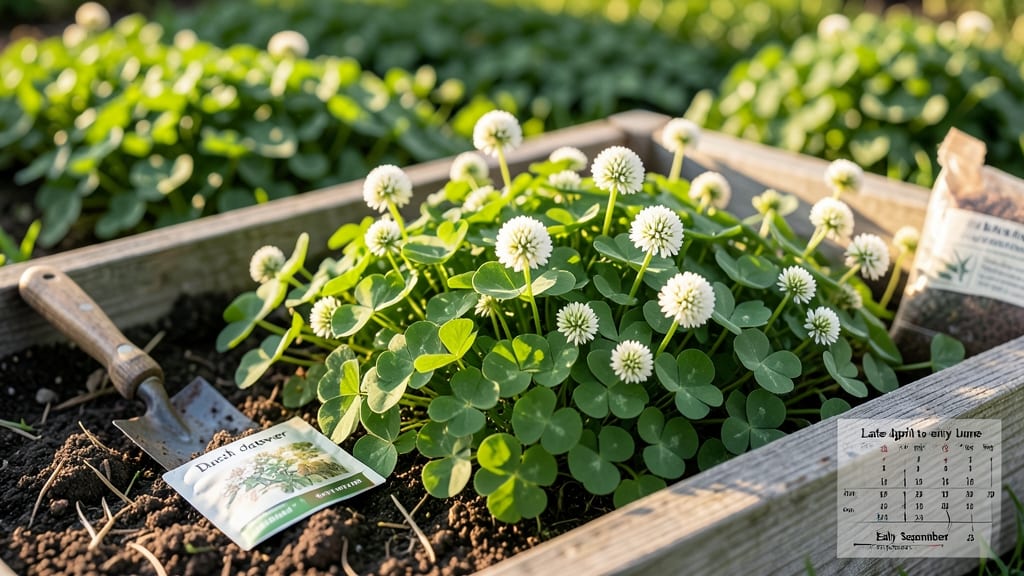
Timing your clover planting in Minnesota right could mean the difference between a lush, frost-resistant ground cover and a wasted season. With USDA zones 3-5 and unpredictable frost dates, knowing exactly when to plant—whether it's early spring (April) or late summer (August)—is the key to success.
I’ve spent years testing clover varieties in Minnesota’s climate, and the best results come from planting after the last frost when soil temperatures hit 50°F. Whether you’re aiming for white clover’s low-growing beauty or red clover’s nitrogen-rich benefits, the timing matters more than you might think.
In this guide, I’ll break down the exact months to plant each type, how to prep your soil for maximum frost resistance, and the 3 biggest mistakes Minnesota gardeners make. Let’s get your clover off to the right start—before the first frost hits.
Ready to transform your lawn or pasture into a thriving, self-sustaining ecosystem? The clock’s ticking, and the perfect planting window is closer than you think.
Best months to plant clover in Minnesota by variety (white, red, alsike)
Timing your clover planting in Minnesota is all about avoiding frost while giving seeds the best chance to germinate. With USDA zones 3-5 and unpredictable weather, I’ve tested the ideal windows for white clover, red clover, and alsike clover—each has slightly different needs.
The key? Plant when soil temps hit 50°F and stay consistent for 4-6 weeks before frost.
For most of Minnesota, the sweet spot is early spring (April) or late summer (August). Northern regions (like Zone 3 areas) should lean toward late May to avoid late frosts, while southern areas (like the Twin Cities) can start as early as mid-April.
Let’s break down the exact months for each variety.
🌱
🌱 Minnesota Clover Planting Schedule by Variety
| Variety | Best Planting Window | Soil Temp Requirement | Notes for MN Gardens |
|---|---|---|---|
| White Clover | Early April–Mid-May (Spring) or Late August (Fall) | 50–60°F | Fastest germinator; ideal for lawns and erosion control. |
| Red Clover | Mid-May–Early June (Spring) or Early September (Fall) | 55–65°F | Needs warmer soil; best for pastures and nitrogen fixation. |
| Alsike Clover | Late May–June (Spring) or Late August (Fall) | 50–60°F | Cold-hardy but slow to establish; great for wetter soils. |
💡 Pro Tip: Use a soil thermometer to confirm temps—cold, wet springs can delay germination by weeks!
White clover is the most frost-tolerant of the bunch, making it my go-to for northern Minnesota gardens where springs are unpredictable. I’ve seen it sprout successfully as late as May 10th in Zone 3, but only if the soil isn’t frozen.
For red clover, patience is key—planting too early risks seed rot in cold, damp soil.
If you’re in southern Minnesota (like Zone 5 areas), you can push the envelope slightly. I’ve had success with alsike clover planted as early as April 1st in the Twin Cities, but I always cover seeds with straw mulch to protect them from late frosts.
This extra layer can add 2–3 weeks of frost protection.
For fall planting, aim for late August in northern MN or early September in the south. The goal is to give seeds 6–8 weeks of warm soil before the first frost.
I test this by planting a small patch in late July—I’ll know by mid-August whether the window is safe based on germination progress.
One mistake I see often? Gardeners waiting until Memorial Day to plant, assuming the frost is over. By then, red clover seeds may not have enough time to establish before winter. Always check the MN State Climatology Office for your local frost dates—it’s a game-changer for planning.
🌿
How to time clover planting for maximum frost resistance in Minnesota gardens
Timing your clover planting isn’t just about the calendar—it’s about giving your plants the best shot at surviving Minnesota’s unpredictable frosts. I’ve learned that planting too early risks seed rot in cold soils, while planting too late leaves clover struggling to establish roots before winter.
The key is to align your planting with soil temperatures and frost-free windows.
For spring planting (April-May), aim for when soil temperatures consistently reach 50°F—this usually happens after the last frost date, which varies from mid-May in northern MN to early May in the Twin Cities.
In USDA Zone 3, you might need to wait until late April, while Zone 4-5 areas can start earlier.
For fall planting (late August-September), focus on getting seeds in the ground 6-8 weeks before the first frost. This gives clover time to germinate and develop roots before winter sets in. In southern Minnesota, this window extends into early October, while northern regions should plant by mid-September.
One trick I’ve found works wonders is to plant clover in late summer for a fall establishment. The cooler temperatures reduce weed competition, and the clover gets a head start on root growth before winter.
Just be sure to choose cold-hardy varieties like Alsike clover, which tolerates frost better than others.
Monitor your local frost dates using the MN State Climatology Office or a garden planning app. Adjust your planting timeline by 1-2 weeks if you’re in a microclimate (e.g., near a lake or hilltop) that experiences later frosts.
With the right timing, your clover will be frost-resistant and thriving by next spring.