
Plants
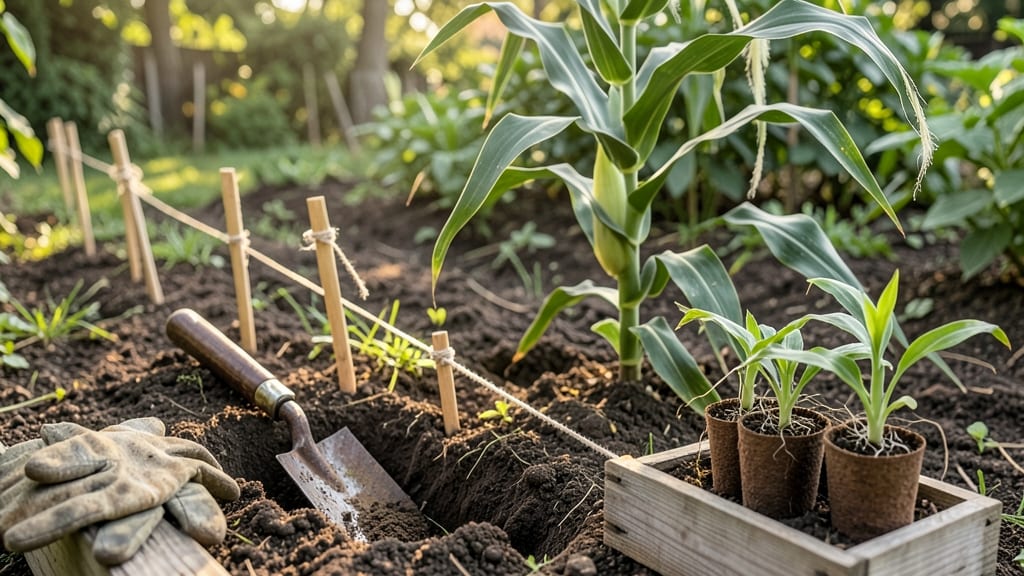
Timing your 🌽 corn planting in Nebraska isn't just about checking a calendar—it's about playing the odds against frost, soil temperature, and your chosen variety's needs. Get it wrong, and you might end up with stunted plants or a harvest that never comes.
The key is understanding your USDA 5a-6b zone's frost-free window while matching it to varieties that thrive in Nebraska's 165-day growing season.
Most Nebraska gardeners aim to plant between mid-April and early June, but the real magic happens when soil reaches at least 60°F—usually 2-3 weeks after the last frost. That's why I always double-check my local frost dates and soil temps before dropping those seeds.
Waiting too long risks shorter days cutting your harvest short, while planting too early can leave tender seedlings vulnerable to late frosts.
Here's the game-changer: Nebraska's climate demands variety-specific timing. Sweet corn needs that 90-day window from planting to harvest, while field corn varieties might stretch to 120 days.
I'll show you exactly how to align your planting schedule with these timelines—plus how to adjust for early, mid, and late-season planting strategies that work in Nebraska's unpredictable weather.
Ready to grow taller-than-a-basketball-hoop corn that actually produces? Let's break down the perfect planting window for your Nebraska garden, from soil prep to spacing secrets that maximize your harvest potential. Your future dinner table is about to get a whole lot more exciting.
Nebraska corn planting timeline by frost-free zones and variety
Nebraska’s USDA zones 4a-6b create distinct planting windows for corn, where timing directly impacts yield. Sweet corn needs precise windows, while field corn and dent corn offer more flexibility. The key? Plant when soil hits 60°F and 2-3 weeks after last frost—typically mid-April to early June.
Western Nebraska (zones 5a-6a) enjoys earlier planting dates, while eastern areas (zones 4b-5b) often wait until late April. Early varieties like 'Golden Bantam' mature in 60-70 days, while standard types need 90-120 days.
Match your variety to your frost-free window—Nebraska’s averages 165 frost-free days, but late frosts can linger into May.
Here’s how to align planting with Nebraska’s climate zones and corn types:
For southern Nebraska (zones 6a-6b), you can push planting to late March if soil warms quickly, but avoid planting before April 1—late frosts are common. In northern zones (4a-4b), wait until mid-May for safety, especially for sweet corn, which bolts if stressed.
Pro tip: Use black plastic mulch to warm soil faster in cooler zones. This lets you plant 1-2 weeks earlier by raising soil temps by 5-10°F. Just remove it after germination to avoid overheating roots.
Soil temperature is more critical than air temperature. Test with a soil thermometer—corn seeds won’t sprout below 50°F, and growth stalls under 60°F. Aim for consistent 65°F+ for best germination rates.
Nebraska’s western regions often see earlier soil warming due to lower humidity, while eastern areas may need to wait until late May for reliable germination. Check local Almanac frost dates but prioritize soil temperature over calendar dates.
If you’re unsure about your zone, Nebraska Extension’s crop watch provides weekly updates on soil temps and planting recommendations. For home gardeners, a simple rule: plant when dandelions bloom—their flowers signal soil warmth.
Remember: Staggered plantings every 2 weeks extend your harvest window. For example, plant half your sweet corn in late April and the rest in early May to enjoy fresh ears for 6+ weeks instead of just 2.
How to adjust planting dates for early, mid, and late season corn
Nebraska’s variable spring temperatures mean your corn’s success hinges on planting at the right time for its maturity zone. Early-season varieties like 'Ambrosia' (60-65 days) can handle cooler soils, while late-season 'Pioneer 33B15' (110+ days) need warmer conditions to mature before frost.
Adjusting your planting dates based on these categories extends your harvest window and reduces risk.
Start with early-season corn (60-80 days to maturity) in late April to early May when soil temps hit 55°F. This gives you a jump on pests and early frosts while still allowing time for a full harvest.
For mid-season varieties (80-100 days), aim for mid-May when soil is consistently 60°F+—this balances risk and reward for Nebraska’s unpredictable June weather.
For staggered plantings, space your corn varieties 10-14 days apart to ensure a continuous harvest. For example, plant 'Ambrosia' in late April, 'Silver Queen' in early May, and 'Pioneer 33B15' in mid-May.
This strategy mitigates risks from hail, drought, or early frost while keeping fresh ears on the table for weeks.
If you’re in western Nebraska (USDA Zone 5a), lean toward early-maturing varieties to avoid shortened growing seasons. In eastern Nebraska (Zone 6b), you can afford slightly later plantings for mid-season corn. Always check your local frost dates—Nebraska’s can vary by 2-3 weeks from year to year.
Pro tip: Use black plastic mulch to warm soil faster in early plantings, or row covers for late-season protection. These tricks help you push your planting windows 1-2 weeks earlier or later without risking your crop.