
Plants
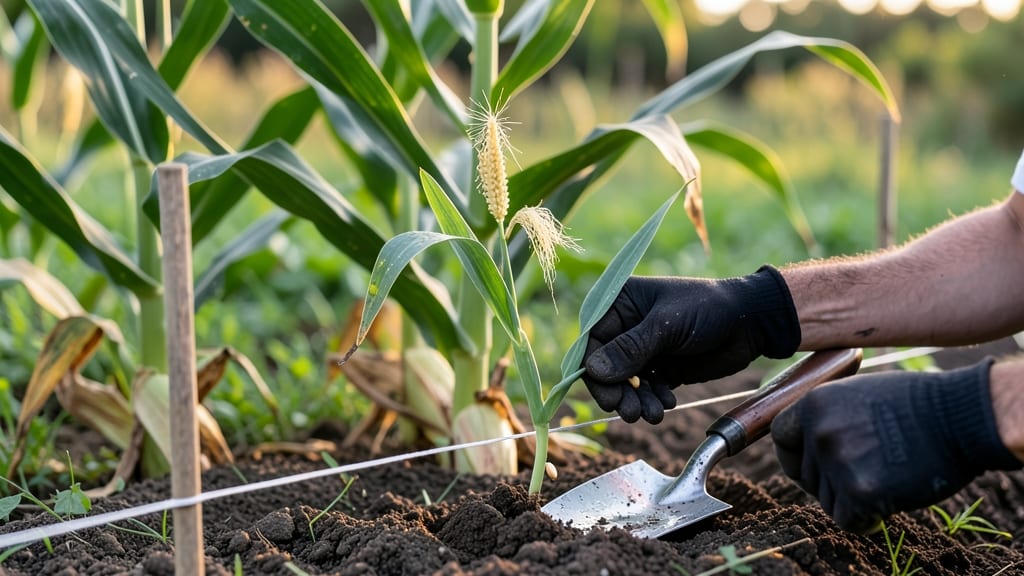
Timing your corn planting in New Hampshire can make or break your harvest—get it wrong, and those precious seeds may never reach their full potential. With the state's 5b-6a climate and unpredictable frost patterns, knowing exactly when to plant your 🌽 is crucial for success.
Whether you're growing sweet corn for summer meals or dent corn for fall storage, the difference between a thriving crop and a failed one often comes down to those critical planting windows.
Most gardeners in New Hampshire wait until after the last frost date—typically mid-May—but soil temperature plays an even bigger role. Corn thrives when the ground reaches at least 60°F, which can happen weeks after frost danger has passed.
This means your planting timeline might shift from year to year, depending on whether spring arrives early or lingers late. Understanding these regional variations is the key to avoiding stunted plants or frost damage.
In this guide, I'll break down the exact planting windows for different corn varieties across New Hampshire's microclimates, from the cooler North Country to the warmer Seacoast region. You'll learn how to adjust your schedule based on soil conditions, variety maturity, and even local weather patterns.
Let's make sure your corn gets the perfect start—because in New Hampshire, timing isn't just important, it's everything.
From choosing the right variety for your zone to using soil warming tricks, we'll cover all the practical steps to maximize your harvest. Whether you're a first-time gardener or a seasoned grower, these insights will help you plant with confidence. Ready to grow your best corn yet? Let's get started.
New Hampshire frost-free dates by region: best planting windows for corn
New Hampshire’s diverse geography means frost-free dates can vary by 10–14 days across regions, making precise timing critical for corn success. The North Country (e.g., Berlin, Gorham) typically sees its last frost around May 20–25, while the Seacoast (Portsmouth, Dover) warms up 5–7 days earlier.
Microclimates near lakes or urban areas can shift these dates by another week or two.
For corn—with its 60–120-day maturity range—planting too early risks frost damage to seedlings, while late planting may result in stunted ears before fall frosts. The USDA Zone 5b–6a classification helps, but local conditions often dictate the best window.
I’ll break down planting schedules by region, including early, mid, and late variety recommendations.
🌱
🌡️ New Hampshire Frost-Free Timeline for Corn Planting
| Region | Avg. Last Frost | Safe Planting Window | Recommended Varieties |
|---|---|---|---|
| North Country (Berlin, Gorham) | May 20–25 | May 25–June 5 | Early: 'Golden Bantam' (60 days), 'Early Sunglow' (70 days) |
| Lakes Region (Laconia, Meredith) | May 15–20 | May 20–June 10 | Mid: 'Silver Queen' (80 days), 'Ambrosia' (90 days) |
| Seacoast (Portsmouth, Dover) | May 10–15 | May 15–June 15 | Late: 'Peaches and Cream' (95 days), 'Bodacious' (100 days) |
| White Mountains (North Conway, Jackson) | May 25–June 1 | June 1–10 | Early/Mid: 'Country Gentleman' (85 days), 'Honey & Pearl' (90 days) |
💡 Pro Tip: Use black plastic mulch to warm soil by 5–10°F, extending your planting window by 7–10 days in cooler regions.
If you’re in a high-elevation area (e.g., Mount Washington region), aim for June 1 planting or later, as frost can linger until June 10. Conversely, urban heat islands in Manchester or Nashua may allow for earlier planting—watch for soil temperatures of 60°F+ before sowing.
For staggered planting, sow seeds every 10–14 days until June 15 to ensure a continuous harvest. This is especially useful if your season is short, as it maximizes your chances of mature ears before fall frosts in October.
I’ve found that June plantings often yield smaller but still edible ears by late August.
🌾
Monitor local NH Agricultural Experiment Station updates or use the Old Farmer’s Almanac for yearly adjustments. In 2023, for example, the Seacoast region saw its last frost 10 days late, pushing ideal planting dates to June 1—a critical shift for gardeners who rely on historical averages.
Soil temperature is just as critical as air temperature. Corn seeds won’t germinate well below 50°F, and ideal conditions are 60–90°F. Use a soil thermometer to confirm readiness—this is especially important in northern NH, where cool springs delay warming.
🌡️
For container growing, start seeds indoors 4–6 weeks before your last frost date and transplant seedlings after May 15 (Seacoast) or June 1 (North Country). Dwarf varieties like 'Golden Bantam' (4–6 ft tall) are ideal for pots, as they mature faster and tolerate cooler soils better than standard varieties.
Finally, keep an eye on first frost dates, which typically arrive between October 10–20. Corn needs 120–150 frost-free days to mature, so late varieties (e.g., 'Bodacious') should only be planted in southern NH or with protective measures like row covers.
Corn varieties for New Hampshire: heat tolerance and maturity zones
Choosing the right corn variety for New Hampshire is just as important as timing your planting. With only about 160 frost-free days in most regions, you need varieties that mature quickly but still produce sweet, flavorful ears.
The key is selecting short-season or mid-season varieties that can reach harvest before the first frost hits in mid-October. For example, 'Golden Bantam' is a popular dwarf variety that matures in just 60-70 days, making it perfect for early planting or cooler microclimates.
If you're aiming for taller, more traditional corn like 'Silver Queen', you'll need to plant it slightly later—around late May to early June—since it takes 85-95 days to mature. This variety thrives in warmer soil and can handle NH's summer heat better than many others.
For those who love the sweetness of 'Ambrosia', a surefire favorite, plan to plant it by mid-May to ensure it matures in 90-100 days before frost.
🌽
For gardeners in the North Country or White Mountains, where summers are shorter, prioritize varieties like 'Early Sunglow', which matures in just 70-80 days. These regions benefit from early planting (as soon as soil reaches 50°F) to maximize the growing season.
In contrast, the Seacoast region can handle slightly later plantings and longer-maturing varieties due to its warmer microclimate.
Pro tip: If you're unsure about your local microclimate, consider planting a mix of early and mid-season varieties. This staggered approach spreads out your harvest and reduces the risk of losing everything to an unexpected early frost.
For example, plant 'Golden Bantam' in early May and 'Silver Queen' in late May to enjoy corn from July through September.
Don't forget that soil temperature is just as critical as air temperature. Use a soil thermometer to confirm your planting window—corn seeds won't germinate well below 55°F, even if the air is warm.
If your soil is still cold in May, opt for a heat-tolerant variety like 'Ambrosia' and consider using black plastic mulch to warm the soil faster.
Finally, remember that pollination is everything for corn. Plant your seeds in blocks (not rows) to ensure better cross-pollination between plants. This is especially important for varieties like 'Silver Queen', which rely on strong winds to transfer pollen.
With the right variety and timing, you'll be enjoying homegrown corn on the cob in no time—just in time for NH's summer festivals! 🌽