
Plants
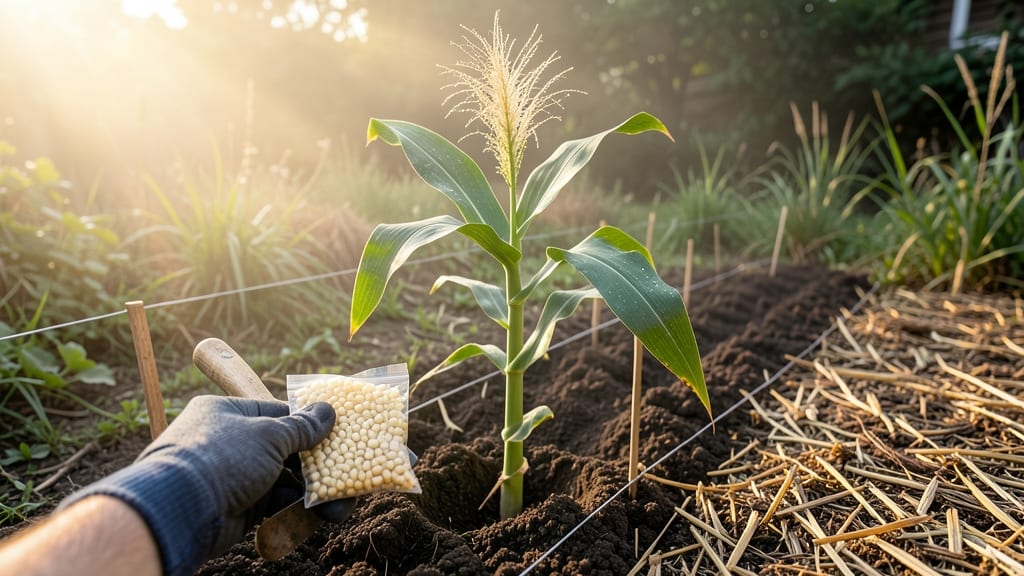
Timing your 🌽 corn planting in North Alabama wrong could leave you staring at stunted plants or worse—total crop failure. With USDA zones 7a-7b and unpredictable spring weather, knowing the exact frost-free deadlines by county is the difference between a bountiful harvest and wasted effort.
Most gardeners in Madison, Jackson, or Marshall counties wait until mid-April to late May, but that’s not a one-size-fits-all rule. Soil temperatures and microclimates can shift your ideal window by weeks, especially if you’re dealing with high-altitude areas like Huntsville or urban gardens in Decatur.
In this guide, I’ll break down the critical planting windows for your specific county, plus how to adjust for late frosts or early heat. You’ll also discover which fast-maturing corn varieties thrive in Alabama’s short growing season, so you can maximize yields without the guesswork.
Skip the trial-and-error—let’s get your corn in the ground at the perfect moment for a harvest from late July to early October.
North Alabama corn planting deadlines by county: avoid frost damage with these exact dates
Planting corn in North Alabama requires precision timing to avoid frost damage and ensure healthy growth. The last average frost date varies by county, with Madison County typically seeing frost by March 25 and Jackson County by April 5.
These dates mark your planting window—waiting too long risks shorter growing seasons, while planting too early exposes tender seedlings to frost.
Corn thrives with 190 frost-free days, so timing is critical. In high-altitude areas like Huntsville, cooler temperatures delay planting by 1-2 weeks compared to lower elevations like Decatur. Always check your local USDA Zone 7a-7b guidelines and historical frost data to adjust your schedule accordingly.
For sweet corn varieties, aim to plant between April 15 and May 10 in most North Alabama counties. Field corn and popcorn can tolerate slightly later plantings, but avoid anything past May 20 to ensure maturity before the first frost in mid-October.
Use these county-specific deadlines to maximize your harvest potential.
| County | Last Avg. Frost Date | Ideal Planting Window | Frost-Free Days |
|---|---|---|---|
| Madison | March 25 | April 10–May 5 | 195 |
| Jackson | April 5 | April 15–May 10 | 190 |
| Marshall | March 30 | April 12–May 7 | 192 |
| Limestone | March 28 | April 10–May 5 | 193 |
| DeKalb | April 2 | April 15–May 10 | 190 |
🌽 Note: Adjust planting dates 1-2 weeks later for high-altitude areas (e.g., Huntsville).
If you’re planting late varieties or using succession planting, consider a June planting for a fall harvest. However, ensure your chosen variety matures within 85-100 days to avoid frost damage.
For example, ‘Silver Queen’ (85 days) works well for late plantings, while ‘Peaches and Cream’ (70 days) is better for early spring.
Always monitor soil temperatures—corn seeds won’t germinate below 60°F (15°C). Use a soil thermometer to confirm readiness, especially in cooler microclimates like shaded urban gardens. Planting too early in cold soil can lead to rot and poor germination, wasting your time and resources.
For urban gardeners, consider using black plastic mulch or row covers to warm the soil faster and extend your planting window. These methods can push your last planting date by 1-2 weeks, giving you more flexibility in North Alabama’s unpredictable climate.
Track your local frost dates using the National Weather Service or Alabama Extension resources. Historical data shows that late frosts can occur as late as April 15 in some years, so always have row covers ready to protect young seedlings.
Planning ahead ensures your corn has the 190 frost-free days it needs to thrive.
Remember, soil preparation is just as critical as timing. Amend your soil with compost or aged manure in fall or early spring to improve drainage and fertility. Well-drained soil prevents root rot and ensures steady growth, even if your planting window is tight.
By following these county-specific deadlines and adjusting for microclimates, you’ll avoid the common pitfalls of North Alabama’s unpredictable spring weather. With the right timing, you’ll enjoy a bountiful corn harvest from late July to early October. Happy planting! 🌾
How to adjust corn planting dates for North Alabama’s microclimates and soil conditions
North Alabama’s microclimates can shift your ideal corn planting window by 2-3 weeks, especially when comparing high-altitude areas like Huntsville (USDA zone 7a) to lower elevations in Decatur (zone 7b).
If you’re in an urban garden surrounded by pavement, your soil may stay 10°F colder than rural areas, delaying germination.
For soil temperature, wait until the ground reaches at least 60°F (15°C)—use a soil thermometer to avoid guessing. In Madison County, this typically happens by mid-April, but Marshall County’s cooler valleys may need to wait until late April.
If you’re dealing with poor drainage, plant in raised beds or mounds to prevent root rot. Corn hates soggy feet, and Alabama’s spring rains can turn your garden into a swamp overnight. Amend heavy clay soil with compost or sand before planting.
If a late frost hits after planting, cover seedlings with frost cloth or row covers. Corn is sensitive to temps below 50°F (10°C), and even a light freeze can stunt growth. Monitor forecasts from the National Weather Service for your county.
Pro Tip:
Plant a test row 1-2 weeks before your target date to gauge soil warmth and adjust timing.
For urban gardens or small spaces, consider succession planting every 2 weeks from mid-April to early June. This stretches your harvest window and reduces risk if early plantings fail. Choose fast-maturing varieties (60-70 days) like ‘Silver Queen’ for these late plantings.
If you’re in a high-altitude area (elevations above 1,000 feet), push planting back to late April or early May. Cooler nights slow growth, and corn needs 190 frost-free days to mature. Use black plastic mulch to warm the soil 2-3°F faster than bare ground.
Finally, if your soil is sandy or nutrient-poor, add composted manure or a balanced 10-10-10 fertilizer at planting. Corn is a heavy feeder, and poor soil conditions will show up as pale leaves or weak stalks—not what you want when you’re counting on a harvest.