
Plants
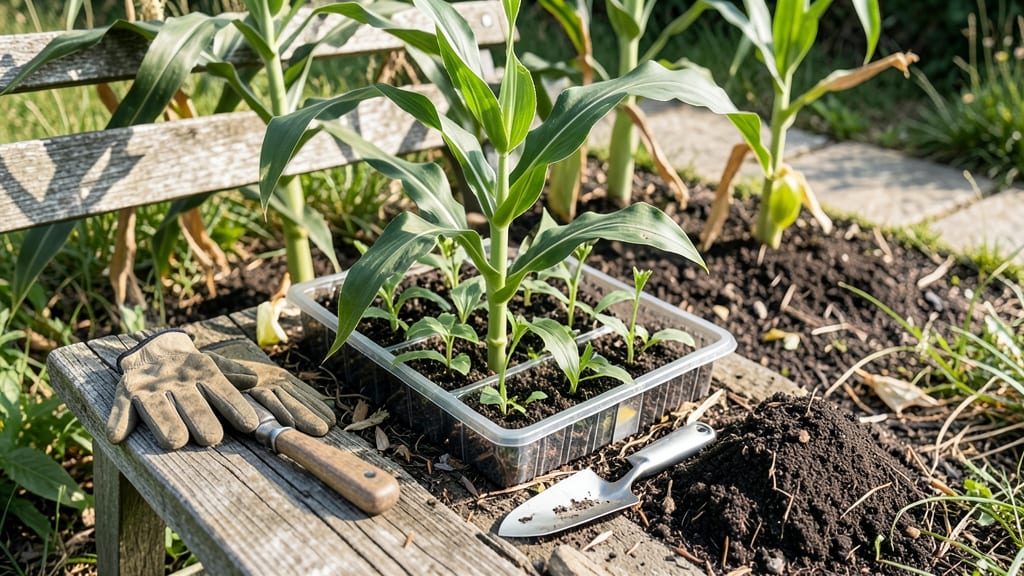
Planting corn in South Florida at the wrong time can turn your sweet 🌽 harvest into a bitter disappointment—thanks to that relentless heat and humidity. The key to juicy, tender ears lies in timing it right, especially when avoiding bolting (that premature flowering that ruins flavor).
With no frost to worry about in zones 10a-11, you might think you can plant anytime—but heat spikes and summer storms throw a wrench in the plan. I’ve learned the hard way that the three critical weeks before peak summer make all the difference for a successful crop.
Whether you’re growing in Miami’s coastal breezes or inland Naples, the right schedule keeps your corn thriving. Let’s break down exactly when to start seeds or transplant for the best results—and how to adjust for microclimates that can shift your harvest window.
From soil temps to companion planting, I’ll share the secrets that’ve helped me grow corn year-round without the stress. Ready to lock in those perfect planting dates?
South Florida corn planting calendar: 3 critical weeks to avoid bolting
South Florida’s warm winters and long growing season mean you can plant corn almost year-round—but timing is everything to prevent bolting (that bitter, starchy mess). The three critical weeks for planting are rooted in soil temperatures, humidity, and avoiding summer’s brutal heat. For most of South Florida, these windows are:
Spring Planting: Late January to early February (soil temps must reach 60°F+). This gives you a harvest before summer’s peak heat. Fall Planting: Mid-August to early September for a late-winter harvest. These dates align with Florida’s USDA Zones 10a-11, where frost is never a concern.
Why these weeks? Corn thrives when daytime temps stay 75-85°F and nights dip below 70°F. Planting outside these windows risks heat stress or excessive humidity, both of which trigger bolting.
In Miami’s coastal zone, you might push spring planting to early March thanks to ocean breezes, while Naples’ inland heat demands earlier starts in late January.
Here’s the golden rule: Start seeds indoors 2-3 weeks before your target outdoor date if using transplants. South Florida’s high humidity (often 70%+) speeds up germination, so don’t rush—wait for consistent 60°F+ soil temps to plant outdoors.
A soil thermometer is your best friend here; I’ve seen seeds rot when planted too early in Fort Myers’ clay soils.
🌱
| Planting Window | Soil Temp | Humidity | Harvest Window | Microclimate Notes |
|---|---|---|---|---|
| Late Jan - Early Feb | 60°F+ | 60-75% | Late Apr - May | Coastal areas (Miami): push to early March |
| Mid-Aug - Early Sept | 65°F+ | 70-85% | Dec - Jan | Inland (Naples): start by mid-Aug |
| Emergency: Late Sept | 60°F+ | 80%+ | Feb (small yield) | Risky; use bolt-resistant varieties |
🌽 Pro Tip: Mulch with straw to stabilize soil temps and retain moisture.
Those three critical weeks aren’t just arbitrary—they’re based on corn’s heat tolerance. When temps hit 90°F+ for prolonged periods, corn bolts (sends up a tall stalk and flowers prematurely). I’ve seen this happen in June plantings in Homestead—the ears never fill out properly.
The fall window is trickier because hurricane season (June-Nov) can delay planting, but mid-August gives you a buffer before storms ramp up.
For container growing (great for urban gardeners in Miami or Fort Lauderdalelate February and transplant by early April. Containers heat up faster, so use black plastic pots to absorb sunlight and extend the season.
I’ve had success with 5-gallon buckets planted in late January for an early spring harvest.
One mistake I made early on? Ignoring rainfall patterns. South Florida’s summer storms can drown seedlings, while dry spells in winter stress plants. The spring window aligns with dry season (Dec-Apr), giving you steady growth.
Use a drip irrigation system to avoid wetting leaves (which promotes fungal diseases like corn smut).
💧
To maximize your harvest, plan for succession planting every 2 weeks within your chosen window. This ensures a steady supply of fresh ears. For example, if you plant January 15, follow with February 1 and February 15 for staggered harvests.
In fall, space plantings August 15, August 30, and September 15 to spread out your late-winter crop.
Remember: Corn is wind-pollinated, so plant in blocks (not rows) to ensure good pollination. A 4x4 foot patch with 9 plants is ideal for home gardens
How to adjust your planting schedule for South Florida’s microclimates
South Florida’s microclimates can shift your corn’s ideal planting window by 3-4 weeks, depending on whether you’re near the coast or inland. Coastal areas like Miami stay cooler and more humid, while inland zones like Naples experience hotter, drier spells.
These differences mean your soil temperature and rainfall patterns may not align with the standard spring/fall schedule.
For example, Miami’s coastal breezes can delay soil warming in spring, while inland Fort Myers might hit 80°F soil temps earlier. I’ve found that adjusting your schedule by 1-2 weeks based on your microclimate keeps your corn thriving without bolting.
Let’s break down how to fine-tune your planting dates for your specific location.
🌡️ Use a soil thermometer to confirm when temps hit 60°F+—the magic threshold for germination. Coastal areas may need to wait until late February, while inland spots can start as early as mid-January. This small adjustment prevents stunted growth from cold soil.
| Location | Spring Planting Window | Fall Planting Window | Key Adjustment |
|---|---|---|---|
| Miami (Coastal) | Late February - Early March | Late August - Early September | Wait for coastal breezes to warm soil |
| Naples (Inland) | Mid-January - Mid-February | Mid-July - Late July | Start earlier to avoid summer heat stress |
| Fort Myers (Transition) | Early February - Late February | Early August - Mid-August | Balance humidity and heat exposure |
🌧️ Rainfall patterns also play a role. Coastal areas often get more consistent rain, reducing the need for supplemental watering, while inland zones may require drip irrigation to maintain soil moisture during dry spells.
I’ve seen corn bolt prematurely in inland areas when summer rains suddenly stop—so plan for 1-2 inches of water per week during critical growth stages.
📅 Use local humidity alerts to time your fall planting. High humidity in late summer can create ideal conditions for fungal diseases like corn smut. Planting in late August (coastal) or mid-July (inland) gives your crop time to mature before the rainy season peaks.
This timing also helps avoid the August heat spike, which can stress young plants.
🌱 Elevation matters too. Higher elevations inland (like parts of Collier County) may experience slightly cooler nights, allowing for a 1-week extension of your fall planting window. Meanwhile, lower elevations near the coast benefit from warmer nights, which can push your spring planting slightly later.
Test your soil and observe your garden’s microclimate for a few seasons to refine your schedule.
By adjusting for these microclimate factors, you’ll avoid the common pitfalls of bolting and stunted growth while maximizing your corn’s sweetness and yield. Start with these guidelines, then tweak based on your observations—your garden will thank you with plump, juicy ears all year round. 🌽