
Plants
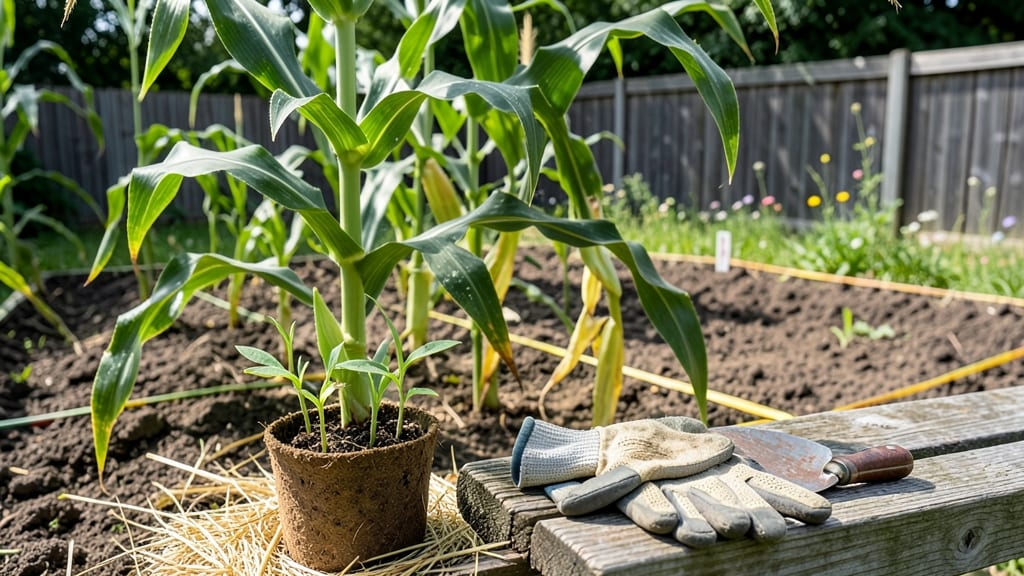
Timing your corn planting in Zone 6A can make or break your harvest—get it right, and you’ll enjoy sweet, juicy ears all summer. The key isn’t just waiting for spring; it’s understanding when your soil warms enough for those seeds to sprout reliably.
With average last frost dates around mid-April and a growing season that stretches until October, you’ve got a narrow window to plant 🌽 for maximum yield.
Most gardeners in Zone 6A rush to plant as soon as the ground looks dry, but that’s a recipe for disappointment. Corn needs soil temperatures of at least 60°F to germinate properly—waiting for that warmth is the difference between a thriving crop and a sad, stunted one.
I’ll show you exactly how to check your soil and adjust your planting schedule for your specific microclimate.
You might think all corn is created equal, but the varieties you choose can drastically change your success rate. Some mature in just 60 days, while others take nearly 100 days—and planting the wrong one could leave you with ears before the first frost.
Let’s break down the best options for Zone 6A and how to stretch your growing season for multiple harvests.
Ready to grow corn that rivals the cornfields? By the end of this guide, you’ll know exactly when to plant, how to prepare your soil, and which varieties will give you the biggest, sweetest ears. Let’s get started!
Zone 6A frost & soil temperature rules for planting corn
Corn thrives when planted after the last frost date in Zone 6A, typically around April 15. However, the real secret to success lies in soil temperature, not just air temperature.
Corn seeds need soil that’s warmed to 50–60°F for proper germination—any colder, and your seeds may rot in the ground.
In my garden, I’ve learned the hard way that planting too early—even with frost protection—can stall growth. Corn is a warm-season crop that won’t tolerate chilly soils, so always check with a soil thermometer before dropping seeds into the earth.
Aim for consistency: 50°F for 24 hours signals it’s time to plant.
Zone 6A’s 165 frost-free days create a tight window for corn. Early varieties (like 'Ambrosia') need 60–70 days to mature, while standard types (like 'Peaches and Cream') require 80–90 days. Plant too late, and you risk first frost in October cutting your harvest short.
Here’s my foolproof rule: Start seeds indoors 2–3 weeks before the last frost if you’re using transplants, but most gardeners in Zone 6A plant directly in the soil after the frost date. Transplants shock easily, so direct sowing is often simpler.
Microclimates matter! If your garden sits in a sunny south-facing spot, soil warms faster than shaded areas. I’ve planted corn 2 weeks earlier in full sun compared to my north-facing beds. Use this to your advantage—observe where your soil heats up first.
| Key Factor | Zone 6A Specifications | Actionable Tip |
|---|---|---|
| Last Frost Date | April 15 (average) | Wait until after this date + 2 weeks for safety. |
| Soil Temperature | 50–60°F (minimum) | Use a soil thermometer at 2-inch depth. |
| Frost-Free Days | 165 days | Choose varieties with ≤90 days to maturity. |
| Planting Depth | 1 inch deep | Press seeds gently—don’t bury deeper than 1.5 inches. |
| Spacing | 4–6 inches apart, rows 30–36 inches apart | Thin seedlings to 12 inches apart for optimal air circulation. |
Pro tip: If your spring is unpredictable, plant in stages. Start with early-maturing varieties in mid-April, then follow up with standard types in late April or early May. This succession planting strategy stretches your harvest window and reduces risk.
Corn also benefits from black plastic mulch, which warms the soil faster and suppresses weeds. Lay it down 1–2 weeks before planting to give the ground time to heat up. I’ve seen a 5–7°F temperature boost in my raised beds thanks to this trick!
Finally, keep an eye on your local almanac for 10-day forecasts. If a late frost warning pops up after planting, cover seedlings with row fabric or a cloche. Corn is resilient, but young plants are vulnerable to 28°F temperatures or below.
Remember: Soil temperature > air temperature when timing corn. Don’t rush—wait for that consistent 50°F reading, and your plants will reward you with tall, productive stalks ready for harvest by late summer. 🌽
Zone 6A frost & soil temperature rules for planting corn
In Zone 6A, corn thrives when planted after your average last frost date—typically around April 15—but soil temperature matters more than calendar dates. Corn seeds need 50–60°F soil to germinate, and waiting for warmer soil prevents rot and ensures faster growth.
Use a soil thermometer to confirm readiness before planting.
Your frost-free growing season in Zone 6A spans about 165 days, leaving little room for error. Plant too early, and frost will kill seedlings; too late, and your corn may mature before the first frost in mid-October. Balance is key—aim for mid-April to early June for most varieties.
🌱 Zone 6A Corn Planting Summary
| Factor | Zone 6A Rule |
|---|---|
| Last Frost Date | April 15 (varies ±7 days) |
| Soil Temperature | 50–60°F (use thermometer) |
| Planting Window | Mid-April to early June |
| First Frost Risk | Mid-October (165 frost-free days) |
| Seed Depth | 1 inch (warmer soil = shallower) |
For early varieties (e.g., 'Bodacious'), you can start as early as late March if soil warms quickly, but cover seeds with row fabric to protect against late frosts. Conversely, late varieties like 'Peaches and Cream' should go in by early June to mature before frost.
Pro tip: Check your local microclimate. Gardens in valleys or near large bodies of water may frost later than higher elevations. Use a frost calendar from your local extension office for precise dates tailored to your area.
Once soil hits 60°F, plant seeds 1 inch deep in rows 30–36 inches apart. Thin seedlings to 4–6 inches apart when they’re 3–4 inches tall to ensure strong stalks. Mulch with straw to retain moisture and regulate soil temperature.
Monitor your garden’s moisture levels—corn needs 1–2 inches of water weekly, especially during tasseling (when pollen forms). Use a moisture meter to avoid over- or under-watering, which stresses plants and reduces yields.