
Plants
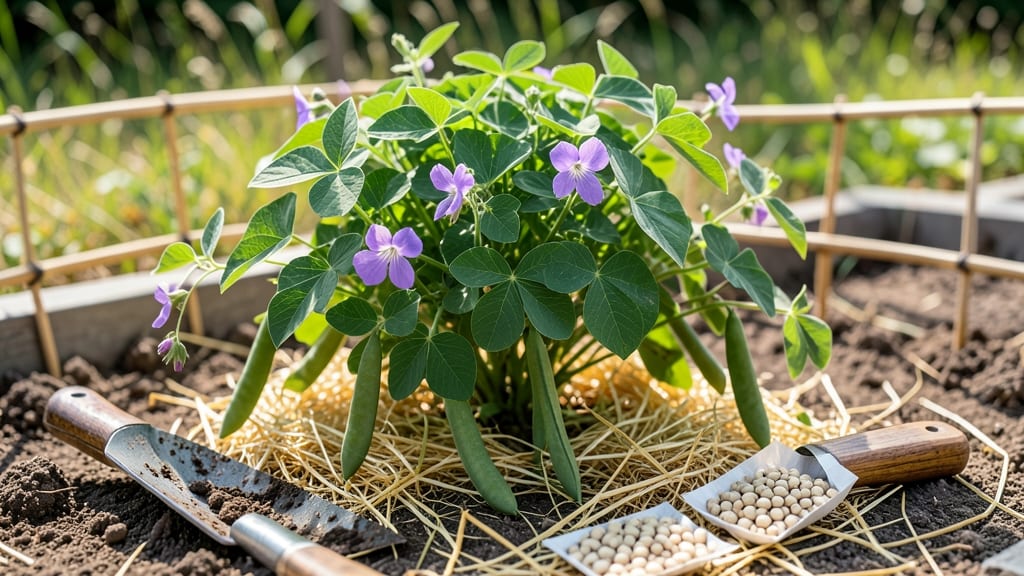
Planting cowpeas in Texas isn't just about the calendar—it's about beating the heat, avoiding frost, and understanding how your county's microclimate can make or break your harvest. Whether you're in East Texas's humid zones or West Texas's dry stretches, timing matters more than you might think.
Cowpeas 🌱 love the Lone Star State's warmth, but planting them too early risks frost damage, while waiting too long can leave you with stunted plants.
The ideal window stretches from March in North Texas to as early as February in South Texas, but there's a science to it—soil temperature, frost dates, and even your local heat islands play a role.
I'll break down exactly when to plant in your specific region, including how to adjust for late starts and which varieties thrive best in Texas's diverse climates. You'll also discover how to prep your soil and space plants for maximum success—no guesswork, just proven results.
Ready to grow a bumper crop of these versatile legumes? Let's dive into the timing secrets that'll have your cowpeas thriving from June through November, no matter which part of Texas you call home.
Texas cowpea planting zones: frost-free deadlines by county for maximum yield
Texas's diverse climate means cowpea planting times vary wildly—from February in South Texas to late March in the Panhandle. The key is knowing your USDA hardiness zone and local frost dates, which can shift your planting window by 4-6 weeks.
For example, Houston's Zone 8b allows early February starts, while Lubbock's Zone 7b demands waiting until mid-April.
Cowpeas need warm soil (65–75°F) and no frost risk to thrive. Planting too early in cooler zones risks stunted growth, while waiting too long in hotter regions can lead to bolting (premature flowering). Below, I’ve mapped out county-specific deadlines based on historical frost data and soil warming trends.
🌱
For North Texas gardeners, aim to plant by May 1 to avoid summer bolting. In South Texas, you can push planting into late April for a fall harvest, but watch for humidity-related diseases. Always check your local AgriLife Extension for updated frost data—Texas’s microclimates shift yearly.
Pro tip: Use black plastic mulch in cooler zones to warm soil faster and extend your planting window by 10–14 days. This trick works especially well in East Texas’s clay-heavy soils, where slow warming delays planting.
🌡️
If you’re in a transition zone (like Waco or College Station), split your planting into two batches: one in early April and another in mid-May. This staggered approach ensures a continuous harvest from June through October, even if early plants bolt in the heat.
Remember, cowpeas are heat-loving legumes, so don’t rush—wait for soil temps to hit 65°F before sowing. Use a soil thermometer for accuracy, especially in sandy West Texas soils, which warm faster than clay.
✂️
Signs your Texas soil is ready for cowpeas: temperature, moisture, and microclimate checks
Before you even think about planting cowpeas in Texas, your soil needs to pass three critical checks: temperature, moisture, and microclimate readiness. Cowpeas are warm-season lovers, and getting these wrong can mean stunted growth or even total crop failure.
I’ve seen too many gardeners rush planting only to watch their seeds rot in cold soil or bolt in dry heat.
The ideal soil temperature for cowpea seeds to germinate is between 65–75°F. Use a soil thermometer—don’t guess! In North Texas, wait until late April or early May when daytime temps consistently stay above 70°F. South Texas gardeners can start as early as February, but verify your soil’s warmth first.
Pro tip: Place your thermometer 2 inches deep for accurate readings.
Next, check moisture levels. Cowpeas need consistent but not soggy soil. Stick your finger 2 inches deep—if it feels dry, water deeply before planting. In Texas’s clay-heavy soils, this means adding organic matter like compost to improve drainage.
Sandy soils? Mulch heavily to retain moisture. Overwatering is just as bad as underwatering—root rot is a silent killer for cowpeas.