
Plants
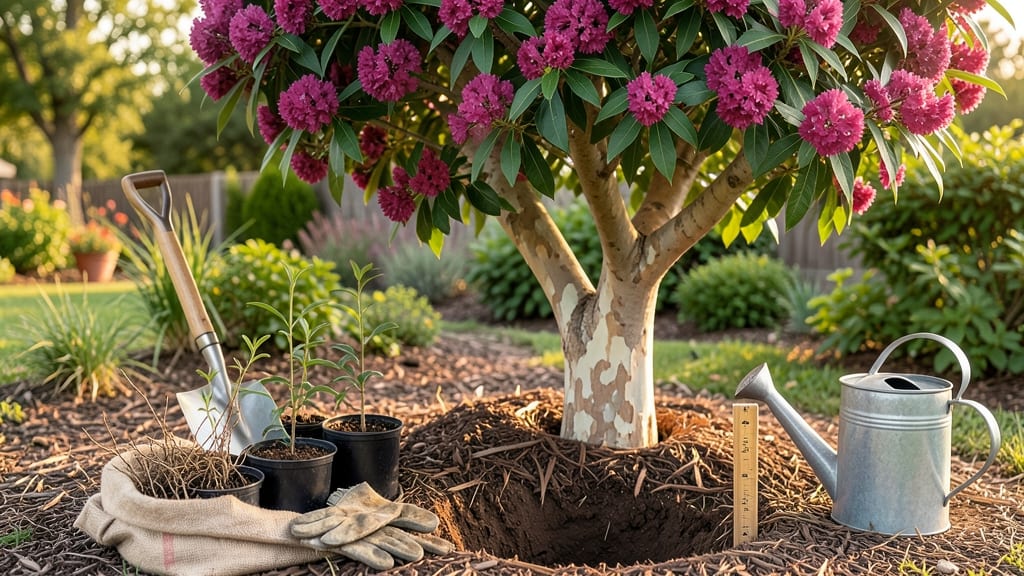
If you're dreaming of vibrant 🌸 crape myrtles lighting up your Oklahoma landscape, the best time to plant crape myrtles in Oklahoma is the key to success.
Planting these stunning shrubs at the wrong time can leave you with stunted growth or even plant loss—especially with Oklahoma's unpredictable spring and fall weather.
Most gardeners in USDA zones 6b-8a swear by two ideal windows: late winter to early spring (February through April) or early fall (September to October). These periods give your crape myrtle the best chance to establish strong roots before Oklahoma's brutal summer heat or winter freezes set in.
But here's the catch: Oklahoma's average last frost date hovers around March 15, while the first frost typically arrives by November 15. That means you've got a narrow window to plant without risking frost damage or heat stress.
I'll walk you through exactly when to plant for maximum blooms and how to prepare your soil for these sun-loving beauties.
Whether you're a first-time gardener or a seasoned pro, these insights will help you avoid common mistakes and create a thriving crape myrtle that becomes the star of your Oklahoma garden. Let's get started!
Optimal planting months for crape myrtles in Oklahoma’s climate Zones
Oklahoma’s USDA Hardiness Zones 6b-8a create a unique window for planting crape myrtles—but timing matters more than you’d think. The best months to plant depend on whether you choose spring or fall, with each season offering distinct advantages for Oklahoma’s unpredictable weather patterns and extreme temperature swings.
For spring planting, aim for late February through April—after the average last frost date (March 15) but before soil temperatures exceed 70°F. This gives young roots time to establish before Oklahoma’s scorching summer heat arrives.
Meanwhile, fall planting (ideal in September-October) allows roots to grow without competing with summer’s intense drought conditions.
Here’s the breakdown by Oklahoma’s three main climate regions: Northern (Zones 6b-7a), Central (Zone 7b), and Southern (Zones 8a-8b). Each has slightly different planting windows due to frost timing and heat intensity.
| Climate Region | USDA Zone | Best Spring Planting Window | Best Fall Planting Window | Soil Temp Threshold | Key Consideration |
|---|---|---|---|---|---|
| Northern OK | 6b-7a | Late March–April | Mid-September–October 15 | 50–60°F | Later frost risk; prioritize mulch |
| Central OK | 7b | Early March–April | Late August–October | 55–65°F | Balanced heat/drought; ideal for most varieties |
| Southern OK | 8a-8b | February–March | September–early November | 60–70°F | Extended growing season; watch for early heat |
Notice how Southern Oklahoma has a wider fall window? That’s because the first frost often arrives later (around November 15), giving crape myrtles more time to establish roots. Meanwhile, Northern Oklahoma gardeners should avoid planting after October 15 to prevent winter dieback from early frosts.
Pro tip: Use a soil thermometer to confirm temperatures before planting. Crape myrtles thrive when soil is between 50–70°F—any hotter, and you risk transplant shock from heat stress. In Oklahoma’s clay-heavy soils, this often means waiting until late April in spring or early September in fall.
If you’re in Zone 8a or warmer, you might even squeeze in a late winter planting (January–February) for dwarf varieties, but this is riskier due to unpredictable late frosts. Always check your local Oklahoma Mesonet station for real-time soil data to avoid costly mistakes.
For container planting, adjust your timeline by 2–4 weeks earlier—potted crape myrtles dry out faster in Oklahoma’s windy conditions and need consistent moisture. Plant containers in early spring (March) or late summer (August) for best results.
Remember: The earlier you plant in fall, the more time roots have to anchor before winter. But don’t rush—September is ideal because it gives roots time to grow without competing with summer’s water demands.
In Oklahoma’s drought-prone summers, established roots mean the difference between vibrant blooms and wilted branches.
🌱
Fall vs. spring planting: which works best in Oklahoma’s heat & humidity?
Oklahoma’s sweltering summers and unpredictable frost dates make planting crape myrtles a strategic decision. Both spring and fall offer advantages, but one season gives your trees a head start against Oklahoma’s brutal heat. Let’s break down the pros and cons so you can choose the best time for your landscape. Spring planting aligns with natural growth cycles, but Oklahoma’s late frosts (often until March 15) can delay progress. Fall planting, however, lets roots establish before summer’s intensity. For Oklahoma gardeners, fall typically wins—but there are exceptions based on your region’s microclimate.Pro Tip: If you plant in spring, wait until soil temps hit 60°F+ and all frost risk has passed. For fall, aim to plant 4-6 weeks before your area’s first frost date (usually by October 15 in most of Oklahoma).
⚠️ Fall Planting Warning
Planting too late in fall (after October 15) risks root shock before winter dormancy. Oklahoma’s unpredictable cold snaps can stress young plants if they haven’t established roots.
⚠️ Spring Planting Warning
Early spring planting (before April 1) may lead to stunted growth if late frosts occur. Oklahoma’s clay soils can also stay cold and wet, increasing disease risk.
🌸
The bloom timing also differs: fall-planted trees often bloom earlier the following summer, giving you that show-stopping color a month sooner. Spring-planted trees may take an extra year to reach peak flowering. If you’re impatient for summer color, fall is the clear winner for Oklahoma’s climate.✅