
Plants
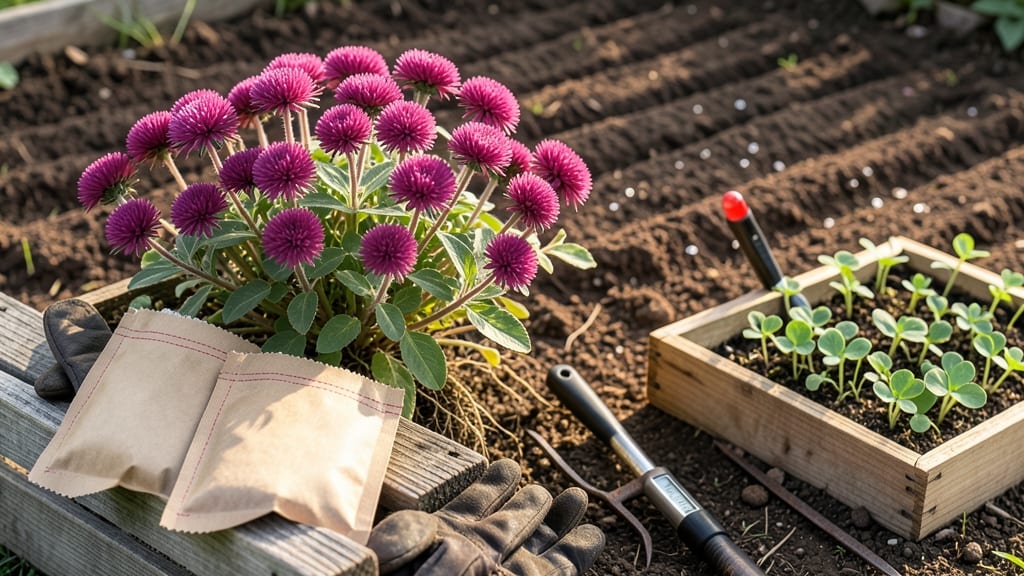
If you're wondering when to plant crimson clover in Tennessee, timing is the secret to unlocking its full potential as a soil-enriching cover crop.
This vibrant 🌸 beauty thrives when planted between late summer and early fall, but getting the exact window right can make all the difference in your garden's success.
Tennessee's diverse USDA zones (6a-7b) create unique microclimates where frost dates vary dramatically. Plant too early, and you risk losing your investment to unexpected cold snaps. Too late, and the clover won't establish strong roots before winter sets in.
I've seen firsthand how proper timing transforms bare soil into lush, nitrogen-rich ground within months. The key lies in understanding your specific zone's frost-free window and preparing your soil just right for optimal germination.
Let me walk you through the exact planting schedule by zone, soil prep secrets, and how to maximize this cover crop's benefits in Tennessee's humid climate. Your future garden will thank you for getting it right from the start.
Tennessee planting zones & frost-free dates for crimson clover success
Crimson clover thrives in Tennessee’s USDA zones 6a-7b, but the frost-free window determines your best planting months. Unlike frost-sensitive crops, crimson clover needs cool weather to establish roots before winter. In East Tennessee’s mountains, frost arrives earlier than in Middle Tennessee’s valleys, so timing varies by region.
For optimal germination, soil temperatures should be between 50-60°F. This typically aligns with late summer to early fall (August-October) across most of the state. Planting too early risks heat stress, while late planting may leave clover vulnerable to early frost before root establishment.
Here’s how Tennessee’s microclimates affect your planting schedule:
🌱 Crimson Clover Planting Guide by Tennessee Zone
| Zone | First Frost | Last Frost | Ideal Planting Window | Soil Temp for Germination |
|---|---|---|---|---|
| 6a (East TN Mountains) | October 1-15 | April 1-15 | August 15 - September 30 | 50-55°F |
| 6b (Middle TN Valleys) | October 15-30 | April 15-30 | August 1 - October 15 | 55-60°F |
| 7a (West TN) | November 1-15 | March 15-30 | August 15 - October 31 | 55-60°F |
| 7b (Southwest TN) | November 15-30 | March 1-15 | September 1 - November 1 | 55-60°F |
In Zone 6a (East Tennessee’s higher elevations), aim to plant by September 30 to ensure roots establish before frost. Meanwhile, Zone 7b gardeners in Southwest Tennessee have until November 1—but don’t wait too long, as cool nights trigger flowering, reducing nitrogen fixation.
Use a soil thermometer to confirm temperatures before planting. If soil stays above 65°F for more than a week, delay seeding until temperatures drop. Early September is often the safest bet across most of Tennessee, balancing heat avoidance and frost preparedness.
Pro tip: Seed in late afternoon to reduce heat stress on freshly planted seeds. Lightly water the soil before planting to encourage immediate germination once moisture is added.
For pasture mixes, combine crimson clover with orchardgrass or tall fescue to create a multi-season forage. The clover’s nitrogen-fixing roots will boost soil fertility for years to come—just plant it at the right time.
🌸
Best planting methods for crimson clover in Tennessee’s climate
When planting crimson clover in Tennessee, your choice between fall or spring planting directly impacts its success. Fall planting—from late August to early October—lets seeds establish roots before winter, ensuring vigorous growth when spring arrives. This method is ideal for USDA zones 6a-7b, where frost dates vary significantly.
For spring planting, aim for early March to April, giving seeds time to germinate before summer heat arrives. However, spring planting risks competition from weeds and requires more frequent watering.
In Tennessee’s humid subtropical climate, fall planting generally yields better results due to cooler temperatures and reduced pest pressure.
Seeding rates are critical—use 10-15 lbs per acre for optimal coverage. In Tennessee’s East TN mountains, where cooler temperatures prevail, you can plant slightly later (up to mid-October) compared to Middle TN valleys, where earlier planting (by late September) avoids frost risks.
Always prepare soil by loosening the top 2-3 inches and ensuring a pH of 6.0-7.0 for best results.
To maximize nitrogen fixation, consider planting crimson clover alongside cool-season grasses like fescue or ryegrass. This combination improves soil health while reducing erosion. In Tennessee’s humid climate, avoid overwatering—consistent moisture (about ½ inch per week) is key, especially during germination.
Mulching with straw can help retain moisture and suppress weeds.
If you’re planting in containers or small gardens, use a lightweight potting mix and keep seeds ¼ inch deep. In-ground planting requires a firm seed-to-soil contact, so lightly rake after sowing.
For large pastures, use a broadcast spreader for even distribution. Remember, crimson clover thrives in full sun to partial shade, so choose your planting location carefully to avoid shaded areas.
After planting, monitor for weed pressure and apply a light mulch layer to protect young seedlings. In Tennessee’s Zone 7b, where frost can arrive as early as mid-October, prioritize fall planting to give seeds enough time to establish before winter dormancy.
With the right timing and care, your crimson clover will flourish and enrich your soil naturally.