
Plants
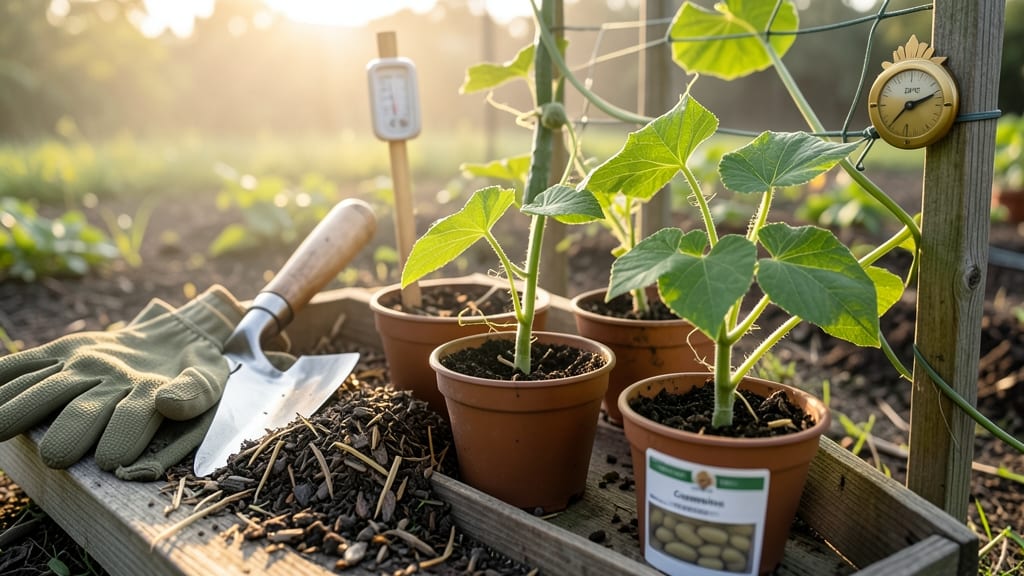
Planting cucumbers in Australia isn’t one-size-fits-all—get the timing wrong, and you’ll end up with bitter fruits or stunted vines. The 🥒 thrives in warm soil and hates frost, so knowing your region’s climate is the key to a bumper harvest.
Whether you’re in Sydney’s coastal warmth or Perth’s Mediterranean zone, the right planting window makes all the difference.
Most gardeners in Australia’s temperate zones should start sowing seeds in September or October, once soil temperatures hit 15°C (60°F). But if you’re in subtropical areas like Brisbane, you’ve got a longer window—think January to February for early summer planting.
The trick? Avoid rushing it; cucumbers need heat to germinate, and cool nights can stall growth.
What if you’re eager to harvest sooner? I’ll show you how to adjust planting times using row covers or shade cloth to protect tender seedlings. Plus, we’ll cover the best varieties for your climate—whether you’re dealing with Perth’s dry heat or Melbourne’s unpredictable spring showers.
Ready to grow cucumbers that taste like summer?
From soil prep to frost-free dates, this guide breaks down everything you need to know. No more guessing—just a foolproof plan to turn your garden into a 🥒 powerhouse. Let’s get those seeds in the ground the right way!
Best cucumber planting months by australian climate zone
Australia’s diverse climate zones mean cucumber planting times can vary dramatically—from spring in temperate regions to winter in tropical areas. Understanding your local climate is key to avoiding frost damage or heat stress, both of which can ruin your harvest.
Let’s break down the ideal planting windows for each zone, so you can time your cucumbers perfectly for your location.
In temperate zones like Sydney, Melbourne, and Adelaide, cucumbers thrive when planted in late spring (September–November). These areas experience cool winters and warm summers, making spring the sweet spot for germination and growth.
For subtropical climates like Brisbane and the Gold Coast, you can plant in late winter to early spring (August–October), as the risk of frost is lower.
Meanwhile, tropical regions such as northern Queensland and the Northern Territory have a different rhythm—plant cucumbers in late winter to early spring (July–September) to take advantage of the cooler, wetter season. This timing ensures your plants avoid the intense heat of summer.
Finally, Mediterranean climates like Perth and parts of South Australia also favor spring planting (September–October), aligning with their mild, wet winters.
🌱
| Climate Zone | Best Planting Months | Key Considerations | Example Regions |
|---|---|---|---|
| Temperate | September–November | Avoid frost; soil temp ≥15°C | Sydney, Melbourne, Canberra |
| Subtropical | August–October | Lower frost risk; mild winters | Brisbane, Gold Coast, Byron Bay |
| Tropical | July–September | Plant in wet season; avoid summer heat | Cairns, Darwin, Townsville |
| Mediterranean | September–October | Cool winters; spring warmth ideal | Perth, Adelaide (coastal) |
If you’re unsure about your local frost dates, check the Bureau of Meteorology or your state’s agricultural extension service for last frost date guidelines. A general rule is to wait until the soil temperature consistently stays above 15°C (60°F)—this is critical for seed germination and healthy root development.
For coastal areas, like the NSW coast or Tasmania, planting can start slightly earlier (around August) due to milder temperatures. In contrast, inland regions like the Riverina or Swan Valley may need to wait until late September or October to avoid unexpected frost.
Pro tip: Use a soil thermometer to confirm warmth before planting. Cucumbers are heat-loving plants, but they won’t germinate in cold soil—even if the air feels warm. Aim for soil temps between 18–30°C (64–86°F) for the best results.
🌡️
Once you’ve nailed down your planting window, consider heat-tolerant varieties like ‘Straight Eight’ or ‘Suyo Long’ if you’re in a hot climate. These varieties thrive in high temperatures and are less prone to bolting (flowering too quickly).
For cooler regions, opt for ‘Marketer’ or ‘Excelsior’, which perform well in moderate climates.
Finally, always space your plants correctly—cucumbers need room to sprawl or climb. A trellis or cage can save space and improve air circulation, reducing the risk of fungal diseases like powdery mildew. With the right timing and care, you’ll be harvesting crisp, homegrown cucumbers in no time!
🥒
How to adjust planting times for early or late harvests
Want to enjoy homegrown cucumbers earlier in spring or later into autumn? With a few smart strategies, you can stretch your growing season—especially in Australia’s varied climates. The key is understanding how to protect young plants from cool nights or shield mature vines from scorching heat.
Let’s explore proven methods to tweak your planting schedule for a longer harvest.
For early harvests, start seeds indoors 6-8 weeks before your usual outdoor planting date. Use a seedling heat mat to speed up germination, and transplant seedlings outdoors only after the last frost date (typically September-October in most regions).
In cooler climates like Melbourne or Canberra, a cold frame can buy you 2-3 extra weeks of growing time before summer arrives.
For late harvests, focus on heat-tolerant varieties like ‘Tyria’ or ‘Suyo Long’, which thrive in temperatures up to 40°C (104°F). Plant these varieties in late summer (January-February) and use shade cloth to protect them from intense afternoon sun.
In Perth’s Mediterranean climate, this approach lets you harvest well into April.
🌱
5 Proven Ways to Extend Your Cucumber Season
- Use row covers to protect seedlings from light frosts (down to 2°C/36°F) and extend early planting by 3-4 weeks.
- Choose dwarf varieties like ‘Bush Champion’ for containers, letting you move pots indoors during heatwaves.
- Install drip irrigation to maintain soil moisture during dry spells, preventing stress that shortens harvest windows.
- Try vertical growing with trellises to improve airflow and reduce heat stress on vines.
- Plant succession crops every 2 weeks in spring/autumn to stagger harvests over 2-3 months.
In tropical regions like Cairns or Darwin, cucumbers grow year-round, but monsoon rains can limit planting windows. Here, focus on disease-resistant varieties and raised beds to improve drainage. For subtropical areas like Brisbane, aim for two planting cycles: one in early spring (August-September) and another in late summer (January-February).
Pro tip: Keep a planting journal to track which methods work best in your microclimate. Note soil temperatures, rainfall patterns, and pest pressures—these details will help you refine your strategy year after year. With the right adjustments, you could enjoy fresh cucumbers for 6 months or more!
✂️