
Plants
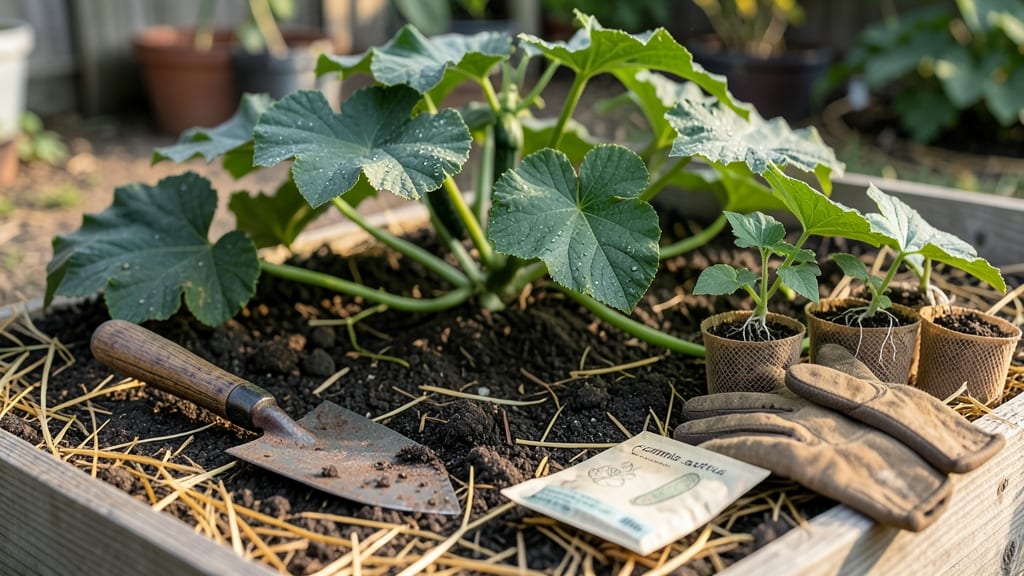
Timing your 🥒 cucumber planting in Central Texas isn't just about avoiding frost—it's about outsmarting the brutal summer heat that can turn your garden dreams into wilting vines before they even produce.
Plant too early, and you'll watch your seedlings bolt into flowers faster than you can say "last frost date." But get it right, and you'll enjoy crisp, homegrown cucumbers from late spring through fall.
The key to success here is understanding your USDA 8a-8b zone's quirks: soil temperatures need to hit at least 60°F before seeds go in, and summer's scorching sun demands extra care.
I've learned the hard way that waiting until mid-April (after the last frost) gives your plants the best shot at thriving, while fall plantings in September can still yield harvests before the first frost hits in November.
What makes Central Texas different is how quickly the heat ramps up—your cucumbers need consistent moisture and shade protection once temperatures climb above 90°F.
I'll show you exactly how to time your plantings for maximum yield, including when to start seeds indoors and when to direct-sow for continuous harvests throughout the growing season.
Whether you're a seasoned gardener or just starting with 🥒 cucumbers this year, these precise planting windows will help you avoid common mistakes that lead to wasted effort.
Let's dive into the exact dates and strategies that work in our hot, dry climate—so you can enjoy fresh cucumbers from your garden instead of the grocery store.
Central Texas cucumber planting calendar: exact dates to avoid bolting
Cucumbers thrive in Central Texas's long, hot summers—but only if planted at the right time. The key is avoiding bolting (premature flowering) from cool soil and stifling growth from extreme heat.
For Austin/San Antonio (USDA Zones 8a-8b), your planting window is narrow but precise: mid-March to late August, with a potential fall extension. Timing depends on soil temperatures, frost risks, and heat tolerance thresholds.
Your last frost date in Central Texas is typically around March 15, but soil may still be too cold for cucumbers. Wait until soil reaches 60°F+—use a soil thermometer to confirm. Planting too early risks bolting, while waiting too long means sweltering vines.
For maximum yield, aim for late March to early April for spring plantings and late August to early September for fall.
Central Texas's summer heat (90°F+) can stress cucumbers, but they tolerate it better than many vegetables. The trick is staggered plantings every 2-3 weeks to ensure a continuous harvest. For example, plant March 15, April 1, and April 15 for spring, then repeat in late August for fall.
This spreads out your harvest and avoids overwhelming your garden at once.
Here’s the science behind the dates: cucumbers need warm soil to germinate but moderate air temps (70-85°F) to thrive. Planting in May or June risks heat stress, while September plantings benefit from cooling temps. Always check 7-day forecasts—avoid planting during predicted 100°F+ heatwaves.
| Planting Window | Soil Temp Requirement | Air Temp Ideal Range | Key Consideration |
|---|---|---|---|
| Late March - Early April | 60°F+ | 70-80°F | Avoid bolting; use black plastic mulch |
| Mid-April - May | 65°F+ | 80-85°F | Stagger plantings every 2 weeks |
| Late August - Early Sept | 60°F+ | 75-85°F | Fall harvest before first frost |
| Avoid June-July | N/A (too hot) | 90°F+ | Risk of heat stress; use shade cloth |
Urban gardeners in San Antonio or Austin face unique challenges like limited space and concrete heat islands. If your garden is in a paved area, soil warms faster—plant 1-2 weeks earlier than rural areas.
Conversely, shady spots may need delayed planting until soil temps stabilize. Always test soil with a thermometer to avoid guesswork.
For fall plantings, aim to harvest before the first frost (Nov 15). Plant heat-tolerant varieties like 'Straight Eight' or 'Lemon Cucumber'—they handle Central Texas’s September heat better than standard types.
Start seeds indoors 6-8 weeks before transplanting to give them a head start. Harden off seedlings for 7-10 days before moving them outdoors.
One common mistake is ignoring soil preparation. Amend your soil with compost or aged manure to improve drainage—cucumbers hate soggy roots. A pH of 6.0-6.8 is ideal.
If your soil is heavy clay (common in Texas), mix in sand or perlite to prevent root rot. Mulch heavily with straw or grass clippings to retain moisture and regulate soil temps.
Central Texas’s dry climate demands consistent moisture. Water deeply 1-2 inches per week, focusing on the root zone. Drip irrigation or soaker hoses work best—avoid overhead watering to prevent powdery mildew.
In extreme heat (100°F+), water twice daily: once in the early morning and once in the late afternoon. Watch for wilting leaves—a sign of thirst.
Finally, don’t forget companion planting. Pair cucumbers with bush beans, radishes, or nasturtiums to improve growth and deter pests. Avoid planting near potatoes or sage, which can stunt their development.
With the right timing and care, your cucumbers will thrive—producing crisp, homegrown fruit from late May to October. 🥒
How to extend your cucumber growing season in Central Texas heat
Central Texas summers can turn your cucumber plants into wilting messes if you don’t plan ahead. The key to beating the heat lies in strategic timing, shade solutions, and heat-tolerant varieties that thrive when temps soar past 90°F.
I’ve learned the hard way—skipping these steps means watching your plants bolt or shrivel before harvest.
Start by choosing heat-resistant varieties like 'Straight Eight' or 'Lemon Cucumber', which handle Central Texas’s 100°F+ days better than standard types. These varieties stay productive longer, giving you a 2-3 week extension in your harvest window compared to delicate heirlooms.
🌱
For urban gardeners with limited space, container growing works surprisingly well. Use 5-gallon buckets with self-watering reservoirs to maintain moisture in 100°F+ heat. Place pots in partial shade during peak afternoon sun (1 PM–4 PM) for best results.
Don’t forget succession planting! Sow new seeds every 2-3 weeks from June through August to stagger harvests. This ensures you’re always getting fresh cucumbers instead of a single overwhelming glut that spoils before you can use it.
With these adjustments, you can push your cucumber season well into October—sometimes even November in mild years. Just remember: heat management is the name of the game in Central Texas, and a little planning goes a long way toward avoiding bolted, bitter, or wilted plants. 🌿