
Plants
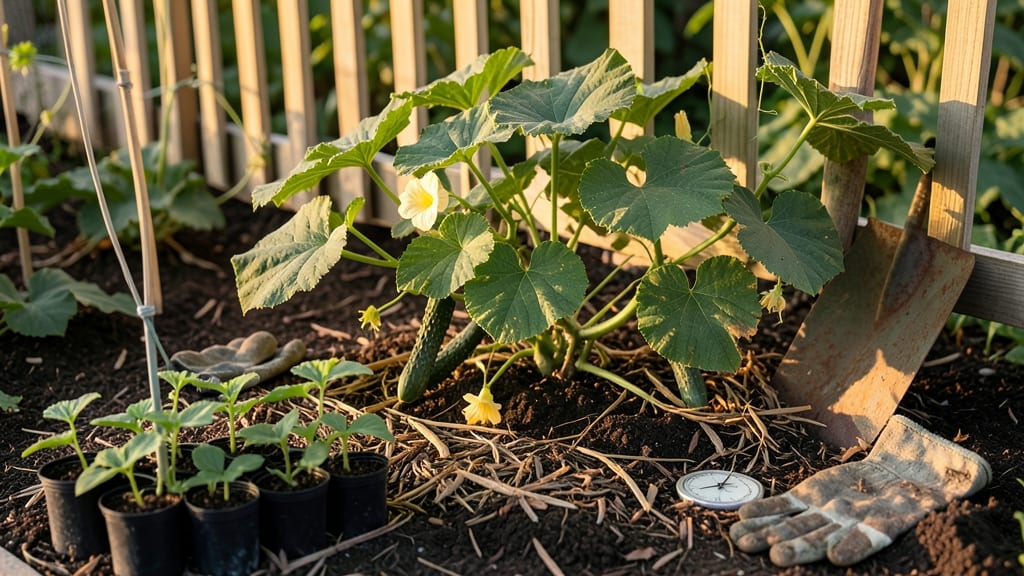
Timing your 🥒 cucumber planting in Northern California isn’t just about the calendar—it’s about dodging bitter bolts and heat stress that can ruin your harvest before it even begins.
With USDA zones 8a-9b spanning from foggy coastlines to scorching valleys, the wrong move could mean watching your plants flower too early or wilt under summer heat.
If you’ve ever planted cucumbers only to watch them bolt (or worse, fail to thrive), you’re not alone.
The key is knowing when to start seeds indoors, when to transplant outdoors, and how to adjust for your specific microclimate—whether you’re in the Bay Area’s cool summers or the Central Valley’s intense heat.
Let’s break down the exact planting windows that work for your region, so you can maximize your harvest from June through November.
Most gardeners in Northern California focus on two main planting windows: early spring (March 15–June 15) and late summer (August 1–September 15).
But here’s the secret: coastal areas like Santa Cruz can plant 2 weeks earlier than Sacramento, while high-desert zones near Reno might wait until soil warms to 60°F—or risk stunted growth.
We’ll cover how to read your local frost dates, soil temps, and even use row covers to stretch your season.
Ready to grow cucumbers that thrive, not struggle? By the end of this guide, you’ll know the perfect timing for your specific corner of Northern California—plus pro tips to avoid the most common mistakes that turn promising plants into bitter disappointments.
Northern California cucumber planting zones: microclimate-specific dates to avoid bolting
Northern California’s diverse climate means your cucumber planting window can vary by 100+ days depending on where you live. The Bay Area’s coastal fog delays spring planting by weeks compared to the Central Valley’s rapid warming.
Even within a single county, elevations above 1,000 feet can push frost dates back by 2-3 weeks.
To avoid bitter bolting (premature flowering), focus on three critical factors: soil temperature (must stay above 60°F), last frost date (check your USDA Zone 8a-9b), and regional heat spikes.
Planting too early in the Sacramento Valley risks heat stress, while coastal areas like Santa Cruz need later starts to escape fog.
For coastal regions, use black plastic mulch to raise soil temps by 5-10°F—this lets you plant 2-3 weeks earlier without bolting risks. In the Central Valley, prioritize shade cloth (30-50%) during June-August to prevent heat stress.
Pro tip: Test soil temperature with a soil thermometer (bury it 2 inches deep) before planting. If temps drop below 55°F at night, delay planting by 1-2 weeks—cucumbers are heat-loving annuals that won’t tolerate cold snaps.
In USDA Zone 8a (e.g., Napa Valley), aim for April 15-May 1 planting, while Zone 9b (e.g., Riverside) can start as early as March 15. Always align with your local agricultural extension office for hyper-local adjustments.
Late summer plantings (August 1-September 15) work best in cooler microclimates like the Russian River Valley. Use heat-tolerant varieties like 'Straight Eight' and harvest before October’s first frost.
Remember: Cucumbers hate cold feet. Even if air temps are warm, cool soil will stunt growth. Amend beds with compost to improve warming—this is especially critical in high-elevation gardens where nights stay chilly.
🌱 For urban gardeners, container-growing extends options. Use 5-gallon pots with fast-warming potting mix to plant 2 weeks earlier than ground planting dates.
How to extend your cucumber season: succession planting and cold-hardy varieties for Northern California gardens
Northern California’s diverse climate lets you harvest cucumbers for months—not just weeks—if you use the right strategies. I’ve grown cucumbers in Sonoma’s foggy valleys and Sacramento’s heat waves, and the secret to a long harvest is succession planting and choosing varieties that thrive in your microclimate.
Start with heat-tolerant varieties like 'Straight Eight' or 'Marketmore 76' for summer plantings. These handle 90°F+ temperatures without bolting, while cool-season types like 'Lemon Cucumber' or 'Armenian' perform better in spring or fall. I’ve even seen bush varieties like 'Bush Champion' produce in cooler coastal areas where vining types struggle.
For a 3-harvest season, plant in three waves: early spring (March–April), late spring (May–June), and late summer (August–September). Use row covers for early plantings to protect against late frosts (common in USDA Zone 8a areas like Napa).
In my San Francisco Bay Area garden, I add 30% shade cloth in July to prevent sunscald during heat spikes.
- Succession Plant Every 2 Weeks: Sow seeds in 3-week intervals from March to September for continuous yields. Example: Start first batch March 15, then April 5 and April 25.
- Use Row Covers for Early/Fall Plantings: Protect seedlings with floating row covers until soil warms to 60°F. Remove covers when vines start running to prevent overheating.
- Choose Varieties by Microclimate:
- Coastal (foggy): 'Lemon Cucumber' (tolerates 55°F nights)
- Central Valley (hot): 'Straight Eight' (resists 100°F+)
- Mountain Foothills (cool):** 'Armenian' (thrives in 60–75°F)
Don’t overlook container gardening for small spaces or urban lots. I’ve grown bush cucumbers in 5-gallon pots on patios, harvesting from June to October with consistent watering. Just ensure pots have drainage holes and use moisture-retentive soil to prevent drought stress.
Watch for heat stress signs like yellowing leaves or curled vines—these signal it’s time to prune lower leaves for airflow or provide afternoon shade. In my Sacramento garden, I install shade cloth by mid-July to keep cucumbers productive through September.
With these tactics, you can enjoy homegrown cucumbers from May to November—even in Northern California’s tricky climate. The key? Plan ahead, adapt to your microclimate, and harvest frequently to keep plants productive. 🌿