
Plants
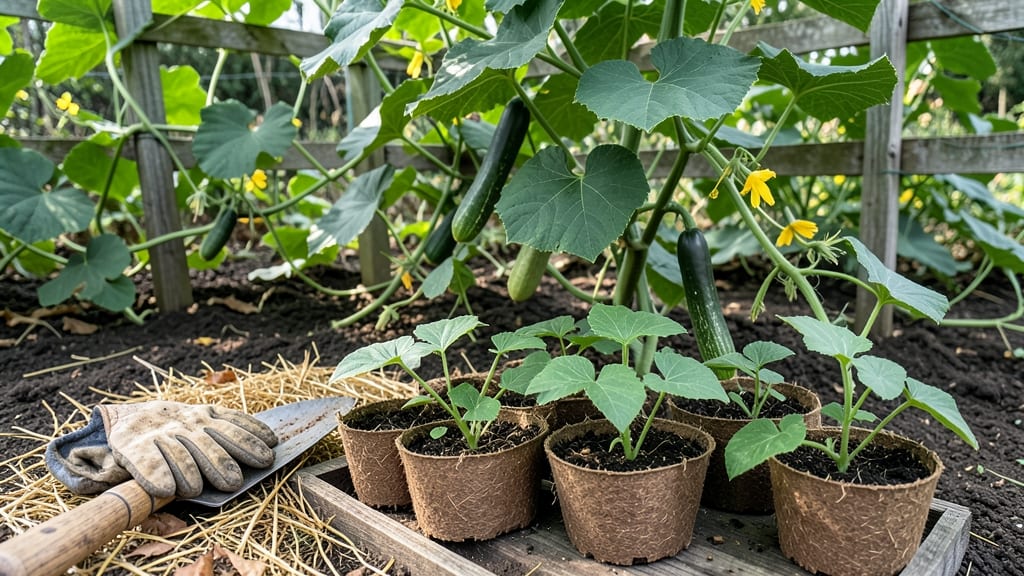
If you're wondering when to plant cucumbers in Zone 6, timing is the secret weapon between a thriving 🥒 harvest and wasted effort. Zone 6 gardeners face a tight window—plant too early and frost will zap tender seedlings, too late and you'll miss peak flavor.
The magic happens when soil warms to 60-65°F, typically after your last frost date in mid-April to early May.
Here's the game-changer: most cucumber varieties need 50-70 days to maturity, so aim for early May plantings to ensure harvests from June through September. But don't stress if you're late—succession planting every 2-3 weeks extends your harvest window.
Whether you're starting seeds indoors or direct-sowing, mastering this timing transforms your garden from "hopeful" to "homegrown feast."
Let me show you exactly how to nail those dates—plus the 3 biggest mistakes Zone 6 growers make (and how to avoid them). We'll cover heat-tolerant varieties that thrive in your climate, soil prep secrets, and even how to cheat the system with black plastic mulch.
Ready to grow cucumbers that actually produce?
The best part? These strategies work whether you're a first-time gardener or a seasoned pro looking to boost yields. Once you get the timing right, you'll wonder why you ever struggled with cucumbers before. Let's get those seeds in the ground at the perfect moment.
Zone 6 cucumber planting timeline: exact dates by frost risk
In Zone 6, cucumbers thrive when planted after the last frost date—typically mid-April to early May. However, your exact timing depends on your specific location within Zone 6 (6a or 6b) and microclimates.
For example, areas like Chicago often see their last frost around April 20th, while Denver may wait until May 1st. Always check your local USDA frost calendar for precision.
Cucumbers need soil temperatures of 60-65°F to germinate properly. Using a soil thermometer ensures you plant when conditions are ideal. If your soil hasn’t warmed enough by the average last frost date, consider using black plastic mulch to raise temperatures faster.
This simple trick can shave 1-2 weeks off your planting timeline.
🌱 Zone 6 Cucumber Planting Comparison
| Planting Method | Ideal Planting Window | Soil Temp Requirement | Frost Risk |
|---|---|---|---|
| Direct Sowing | After May 15 (Zone 6a) / After May 1 (Zone 6b) | 60-65°F minimum | Low (post-frost) |
| Indoor Starts | 4-6 weeks before last frost (March) | 70°F (warmth needed) | Moderate (transplant shock risk) |
| Succession Planting | Every 2 weeks until July 15 | 60°F minimum | Low (extended season) |
For Zone 6 gardeners, I recommend direct sowing after your last frost date—it’s simpler and reduces transplant shock. However, if you’re eager to start earlier, begin seeds indoors 4-6 weeks before your last frost (around mid-March for most of Zone 6).
Harden off seedlings for 7-10 days before transplanting, and choose compact varieties like 'Bush Champion' to minimize stress.
Fall planting is also possible in Zone 6! Sow heat-tolerant varieties like 'Straight Eight' 60-70 days before your first frost (typically late July). These cucumbers mature quickly and can produce a second harvest before cold weather sets in. Just be prepared to use row covers if temperatures dip unexpectedly.
Don’t forget about succession planting—this technique extends your harvest by 4-6 weeks. In Zone 6, you can make 2-3 successive plantings every 2 weeks from late April through early July. This ensures a steady supply of fresh cucumbers all summer long.
For example, plant one batch on May 1st, another on May 15th, and a final one on June 1st.
One critical mistake many Zone 6 gardeners make is planting too early, even if the air feels warm. Cucumbers won’t germinate in cold soil, and seedlings can rot if temperatures drop below 50°F.
Always wait until your soil thermometer confirms 60°F+ before planting. If you’re unsure, opt for slow-growing varieties like 'Marketmore' to give yourself a buffer.
Pro tip: Use a planting calendar tailored to your specific location (like the Old Farmer’s Almanac or Local Weather Station data). These tools account for microclimates and give you the most accurate frost-free window.
For instance, areas near large bodies of water may have 2-3 weeks later frost dates than inland spots.
Finally, remember that Zone 6’s growing season is short—only about 165 frost-free days. Choose fast-maturing varieties (50-60 days to harvest) to maximize your yield. Varieties like 'Suyo Long' (55 days) or 'Diva' (52 days) are perfect for our climate.
With the right timing and variety selection, you’ll enjoy homegrown cucumbers from June through September!
Zone 6 cucumber planting timeline: exact dates by frost risk
In Zone 6, cucumbers thrive when planted after the last frost date, which typically falls between mid-April and early May. However, your exact timing depends on your specific location within Zone 6a or 6b—cooler microclimates may need to wait until late May for safety.
Always monitor local forecasts for frost-free guarantees before planting.
Cucumbers need warm soil (60–65°F) to germinate properly. Use a soil thermometer to confirm readiness—cold soil delays germination and invites rot. In my garden, I’ve found that black plastic mulch warms the soil faster, allowing me to plant 2–3 weeks earlier than traditional methods.
For a longer harvest season, consider succession planting every 2 weeks after your initial planting. This ensures fresh cucumbers from June through September, even as summer heat peaks. Just be sure to harden off seedlings properly before transplanting outdoors.
🌱 Zone 6 Cucumber Planting Timeline
| Stage | Action | Notes |
|---|---|---|
| Early Spring (March) | Start seeds indoors (if desired) | Use grow lights; transplant after last frost. |
| Late April–Early May | Direct-sow or transplant seedlings | Soil temp ≥60°F; mulch to retain heat. |
| June–July | Succession plant every 2 weeks | Extend harvest season; avoid late summer heat stress. |
| Mid-October | Harvest before first frost | Cucumbers won’t survive frost; pick all ripe fruits. |
If you’re unsure about your last frost date, check resources like the USDA Plant Hardiness Zone Map or local agricultural extensions. For example, Chicago (Zone 6a) typically sees its last frost around May 10, while Denver (Zone 6b) averages May 5. Adjust your planting accordingly!
For heat-tolerant varieties, like 'Straight Eight' or 'Marketmore 76', you can push planting slightly later into late May to avoid early-season pests. These varieties also handle Zone 6’s summer heat better than delicate heirlooms, making them ideal for beginners.
Always pair your planting timeline with proper spacing—cucumbers need 12–24 inches apart (depending on variety) to avoid disease and maximize airflow. Crowding leads to powdery mildew, a common issue in Zone 6’s humid summers.