
Plants
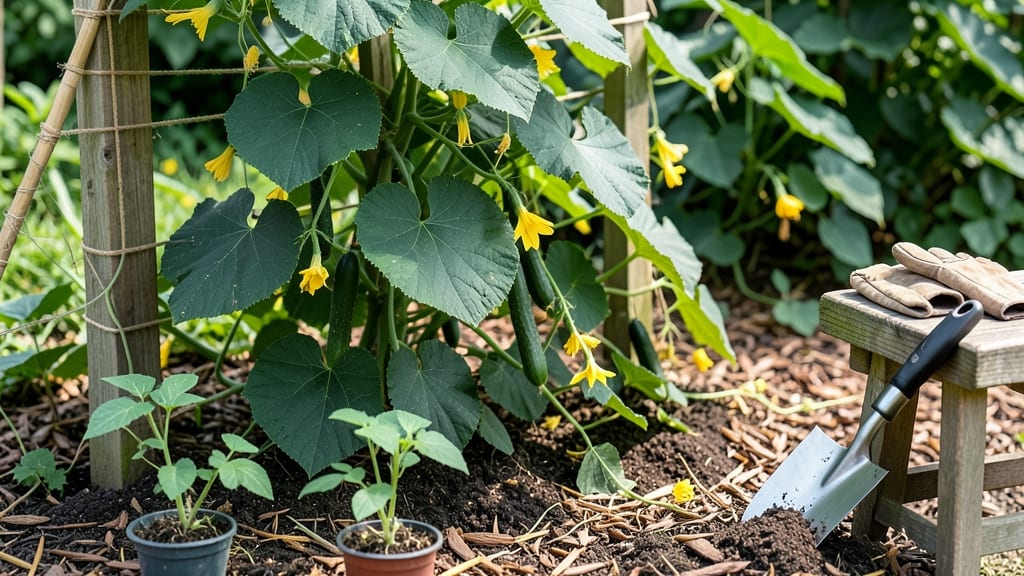
Knowing when to plant cucumbers in Zone 9 isn’t just about picking a month—it’s about avoiding the 3 PM heatwave that turns your crisp 🥒 dreams into bitter, seedy disappointments.
Zone 9’s long growing season means you’ve got two prime chances: late winter/early spring or fall, but timing matters more than you think.
Most gardeners in Zone 9 rush to plant as soon as the weather warms, but that’s a recipe for stress. Cucumbers bolt (flower prematurely) when soil temps hit 85°F, leaving you with sad, seed-filled fruits instead of the juicy harvests you crave.
The secret? Plant 2–3 weeks before your last frost—or better yet, wait until soil warms to 60°F—and choose heat-tolerant varieties that won’t quit when temps climb.
I’ve grown cucumbers in Zone 9 for years, and the difference between a bountiful fall harvest and a flop comes down to two things: variety selection and planting deadlines.
Skip the guesswork and learn exactly which months work best for your garden’s microclimate—plus how to stretch your growing season with simple tricks like mulch and shade.
Ready to turn your cucumber patch from “meh” to “this is the best 🥒 I’ve ever grown”? Let’s dive into the exact schedule, soil secrets, and heat-beating hacks that’ll have you harvesting like a pro—no bolting in sight.
Exact months to plant cucumbers in Zone 9 by variety type
In Zone 9, cucumbers thrive in two distinct windows: early spring and fall. The key is avoiding peak summer heat (June–August), which causes bolting—when plants flower prematurely and produce bitter fruit. Timing depends on your variety type and whether you're starting seeds indoors or direct-sowing.
Most warm-season varieties (like 'Straight Eight') need soil temps of 60°F+ to germinate, while heat-tolerant types (like 'Armenian') handle up to 95°F. Fall plantings are often more reliable in Zone 9 because they escape the brutal summer sun.
Here’s your exact planting schedule, broken down by variety and method, to maximize yields and avoid bolting:
| Variety Type | Direct Sow Outdoors | Start Indoors | Soil Temp Threshold | Best Months |
|---|---|---|---|---|
| Warm-Season (e.g., 'Straight Eight') | Late Feb–Early March | Jan (4–6 weeks before last frost) | 60°F+ | Feb–March, Sep–Oct |
| Heat-Tolerant (e.g., 'Armenian') | Late Aug–Early Sept | July (for fall harvest) | 70°F+ | Aug–Sept |
| Bush Types (e.g., 'Bush Champion') | Late March–Early April | Feb (compact growth) | 65°F+ | March–April, Oct |
| Parthenocarpic (e.g., 'Diva') | April–May or Sept | March (for early harvest) | 60°F+ | April–May, Sept |
🌱 Pro Tip: Use a soil thermometer to confirm temps before planting—cold soil delays germination.
For spring plantings, aim to get seeds in the ground 2–3 weeks before your last frost date (typically mid-December in Zone 9). If you’re starting indoors, transplant seedlings when they’re 2–3 inches tall and soil temps hit 60°F.
In fall, wait until mid-August to avoid the hottest months—this gives plants time to establish before cooler weather arrives.
Zone 9’s microclimates matter too. Coastal areas (like San Diego) can plant earlier (January–February) due to milder winters, while inland deserts (like Phoenix) should wait until March to avoid frost risk. Always check your local USDA Zone 9a vs. 9b—9a (cooler) allows earlier starts than 9b (hotter).
If you miss the spring window, don’t despair—fall is the superior choice for Zone 9. Heat-tolerant varieties like 'Armenian' or 'Lemon' cucumbers thrive in September plantings and produce until November, often yielding sweeter fruit in cooler temps.
Just be sure to mulch heavily to protect roots from temperature swings.
One common mistake? Planting too early in spring and exposing seedlings to 30°F nighttime temps, which stunts growth. Use row covers or black plastic mulch to warm the soil faster. Conversely, mid-summer plantings (June–July) almost always fail due to heat stress—plants bolt within days.
For container growing, start seeds indoors in February for spring harvests or July for fall. Use 5-gallon pots with well-draining soil and place containers in full sun (6+ hours daily).
Dwarf varieties like 'Spacemaster' are ideal for small spaces and produce well in Zone 9’s intense heat if kept consistently moist.
Remember: Soil temperature > air temperature. Even if daytime highs are warm, if your soil hasn’t reached 60°F, seeds won’t sprout. Use clear plastic mulch to raise soil temps by 5–10°F if needed. And always harden off seedlings for 7–10 days before transplanting to avoid shock.
Exact months to plant cucumbers in Zone 9 by variety type
Zone 9’s long, hot summers and mild winters create a unique challenge for cucumber growers. Unlike cooler zones, timing isn’t just about frost dates—it’s about avoiding heat stress and bolting during peak summer months.
Most cucumbers thrive when soil temps hit 60°F+, but heat-tolerant varieties can handle Zone 9’s 90°F+ days without bolting prematurely.
Your best planting windows in Zone 9 are early spring (February–March) and fall (September–October).
Spring planting gives you a spring harvest before summer heat sets in, while fall planting avoids the midday sun’s intensity. Direct-sowing is ideal for Zone 9, but seed-starting indoors 3–4 weeks before transplanting can give heat-sensitive varieties a head start.
Here’s the breakdown by variety type, including soil temp thresholds and ideal planting months to prevent bolting:
| Variety Type | Soil Temp Threshold | Best Planting Months | Notes |
|---|---|---|---|
| Warm-Season (e.g., Marketmore, Straight Eight) | 60–65°F | February–March (spring) or September (fall) | Bolt easily in >85°F soil; mulch heavily. |
| Heat-Tolerant (e.g., Armenian, Lemon) | 70–75°F | March–April or August–September | Thrive in Zone 9 heat; can handle direct summer sun with shade cloth. |
| Bush Types (e.g., Bush Champion, Spacemaster) | 60°F | February–March or September–October | Compact growth; ideal for containers or small spaces. |
| Vining Types (e.g., Corinto, Diva) | 65°F | March or September | Need trellises; plant after last frost risk (January 10). |
For spring planting, aim to have seedlings ready by late February so they establish roots before April’s heat spikes.
In fall, plant September 1–15 for a harvest before first frost (rare but possible by January 10). Avoid mid-summer planting (June–July) unless using heat-tolerant varieties—soil temps can exceed 90°F, triggering bolting within 10 days.
Pro tip: Use a soil thermometer to confirm temps before planting. If soil is below 60°F, wait 1–2 weeks—cold soil slows germination and invites damping-off disease. In desert microclimates, black plastic mulch can raise soil temps by 10°F+, speeding up germination and reducing water loss.
🌱