
Plants
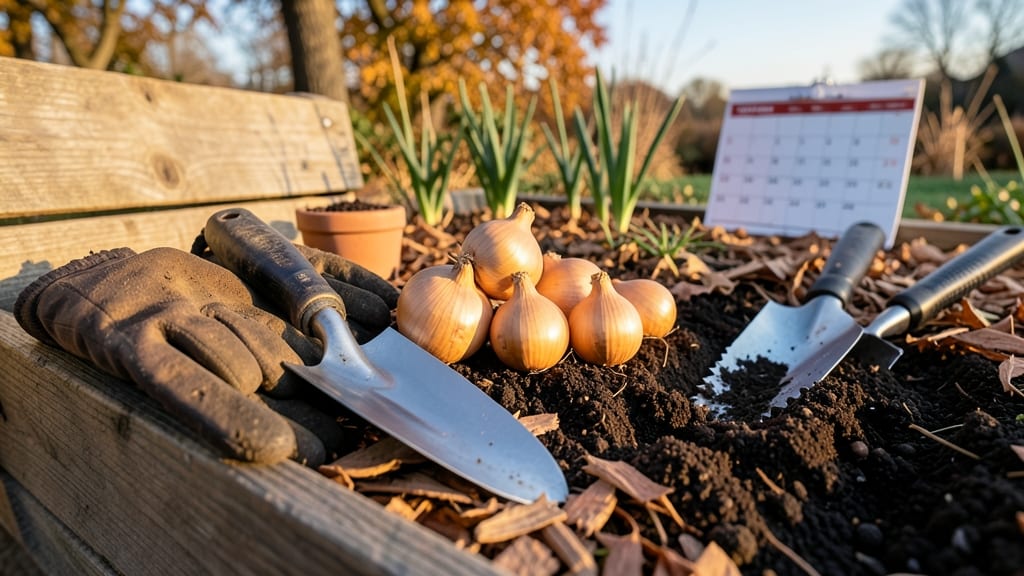
When to plant daffodil bulbs in Massachusetts is the secret to those cheerful 🌼 blooms popping up every spring—no guesswork, just reliable results. The ideal window falls between September and November, when soil temperatures drop but frost hasn’t yet arrived, giving those bulbs just enough time to root before winter sets in.
Here’s the trick: plant too early, and your bulbs might rot in damp soil; too late, and they won’t establish strong roots before the ground freezes.
Massachusetts’ USDA zones 5b-6b mean your local frost dates can shift slightly—whether you’re in Boston, Worcester, or the Cape—so knowing your exact window is key.
I’ll walk you through the best months for your region, how to adjust for early or late winters, and even the right depth and spacing to ensure your daffodils thrive. No more second-guessing—just confident planting that leads to bold, vibrant blooms next spring.
Ready to set your garden up for success? Let’s break down the exact steps so you can plant with confidence, no matter what Mother Nature throws your way.
Massachusetts daffodil planting zones & ideal dates by hardiness
Massachusetts spans USDA zones 5b-6b, meaning daffodil bulbs must be planted before the ground freezes—typically between mid-October and early November. In Boston (Zone 6b), aim for October 15-31; in Worcester (Zone 5b), plant by October 1-15 to avoid winter rot.
Cape Cod’s coastal microclimate extends the window slightly later, up to November 10.
Soil temperature is critical: bulbs need 40-50°F soil to root before winter dormancy. Use a soil thermometer to confirm—planting too early in cold soil risks bulb decay. For well-draining soil, add compost or sand if your garden retains moisture.
If you miss the fall window, spring planting is possible but less reliable. Plant in late winter (February-March) when soil thaws, but expect smaller blooms the first year. Spring-planted bulbs need consistent moisture to compensate for delayed root growth.
Here’s your zone-specific planting timeline for Massachusetts:
| Zone | Ideal Planting Window | Soil Temp Threshold | Spring Backup Window |
|---|---|---|---|
| Boston (6b) | October 15–31 | 50°F+ | February 15–March 15 |
| Worcester (5b) | October 1–15 | 45°F+ | February 1–March 1 |
| Cape Cod (6a) | October 20–November 10 | 48°F+ | March 1–15 |
For container planting, extend your window slightly—pots warm faster and can be moved to sheltered spots. Plant in late October and bury containers in straw or leaves for insulation. Avoid planting in heavy clay soil, which holds too much moisture and risks bulb rot.
Pro tip: Mark your calendar for the average first frost date in your area (check the National Weather Service for local data). Plant 4-6 weeks before frost to give bulbs time to root.
In unpredictable years, err on the earlier side—bulbs can wait in cool, dry storage if needed.
After planting, water deeply once to settle soil around bulbs. Avoid overwatering—daffodils hate soggy soil. Mulch with 2-3 inches of straw after the ground freezes to protect bulbs from temperature swings. In snowy winters, extra insulation isn’t needed unless you’re in a windy, exposed area.
If you’re new to daffodils, start with hardy varieties like Ice Follies or Tête-à-Tête, which thrive in MA’s climate. These types rebloom reliably and tolerate shadier spots better than fancier cultivars. For full sun gardens, choose standard daffodils like Paperwhite or Jonquil.
Remember: Timing beats perfection. Even if you plant a week late, bulbs can still establish roots—just water them in early spring to help them catch up. The key is consistency: plant at the same time each year for vibrant, long-lasting blooms. 🌼
How to adjust planting timing for early vs late winters in Massachusetts
Massachusetts winters can be as unpredictable as a Boston snowstorm—one year you’ll get frost by Halloween, the next winter lingers until December. This variability means your daffodil bulb planting timing must be flexible. The key is planting when soil temps drop to 40–50°F but before the ground freezes solid.
In USDA Zone 5b (like Worcester), aim for mid-October; in Zone 6b (Cape Cod), push to late November.
If you’re unsure about frost dates, use a soil thermometer to check temps at 6-inch depth. When nighttime lows dip below 40°F consistently, it’s time to plant. For late winters, delay planting until early December—just don’t wait too long, or bulbs won’t root before dormancy.
🌱
⚠️ Common Mistake: Planting Too Close to Winter
Bulbs planted within 4 weeks of hard frost risk rotting. If your ground freezes by November 15, plant by October 15—even if soil feels warm. Use frost blankets or straw mulch to insulate newly planted bulbs if early frost threatens.
🌬️
For gardeners in early frost zones (like the Berkshires), consider a spring planting backup. Plant bulbs in containers in late winter, then transplant after the last frost (April 15 in most of MA). This works best for smaller varieties like Tête-à-Tête, which establish quickly.
Pro tip: If you’re planting in heavy clay soil, mix in sand or compost to improve drainage. Daffodils hate soggy conditions—even in winter. After planting, add a 2-inch layer of mulch to protect bulbs from freeze-thaw cycles, which can damage emerging roots.
Monitor your local Almanac frost dates and adjust by 1–2 weeks based on recent weather. If your area had an early freeze last year, plant 2 weeks earlier this year. Flexibility is your friend when gardening in New England!
🌿