
Plants
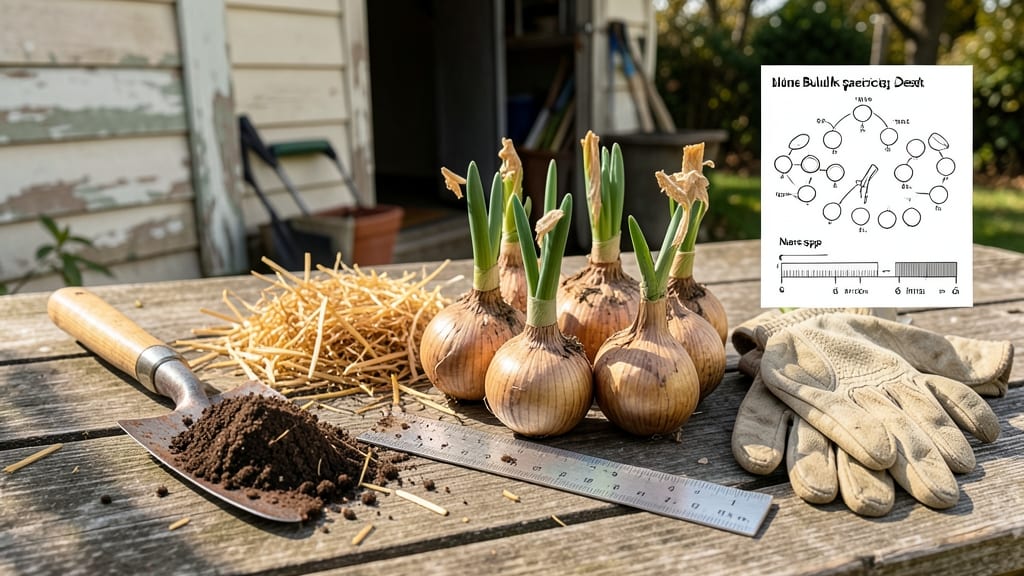
Planting daffodil bulbs in Wisconsin isn't just about timing—it's about outsmarting the unpredictable Midwest weather to guarantee those cheerful 🌼 blooms next spring. If you've ever wondered why some gardeners get vibrant daffodils while others struggle, the answer lies in getting those bulbs in the ground at the right moment.
Wisconsin's USDA Zones 4b-5b demand precision, and the window to plant daffodils opens between September and October—but there's more to it than just picking a month.
The key is planting 6 weeks before the ground freezes, which usually lands around mid-October, giving bulbs time to establish roots before winter sets in.
I've seen firsthand how a few weeks' difference can mean the difference between daffodils popping up like clockwork and disappearing into the frost.
In this guide, I'll break down exactly when to plant, which varieties thrive in Wisconsin's chill, and how to protect your bulbs from the elements—so you can enjoy those bright spring colors without the guesswork.
Whether you're a seasoned gardener or just starting, these insights will help you plant with confidence. Let's get those bulbs in the ground the right way—so you can enjoy Wisconsin's signature spring blooms year after year.
Best months to plant daffodil bulbs in Wisconsin’s climate zones
Wisconsin’s USDA Zones 4b-5b demand precise timing for daffodil bulbs—plant too early, and they’ll rot in soggy soil; too late, and they won’t root before freeze. The ideal window is 6 weeks before the ground freezes, typically mid-September to mid-October, but this shifts slightly by region.
Northern Wisconsin (Zone 4b) has earlier freezes, so aim for late August to early September. Southern areas (Zone 5b) can wait until October’s first week. Always check your local frost dates—Wisconsin’s can vary by 2-3 weeks annually.
Soil temperature is your best guide: bulbs need 40-60°F soil to root. Use a soil thermometer or dig a small hole—if the soil feels cool but workable, it’s ready. Wet springs are common in Wisconsin, so plant early enough to avoid soggy conditions.
For early freezes, prioritize northern exposures or raised beds, which warm faster in spring. Late fall planting (November) is risky but possible if soil hasn’t frozen—just add 3-4 inches of mulch afterward to insulate bulbs.
🌼
| Zone | Best Planting Window | Soil Temp Goal | Key Adjustments |
|---|---|---|---|
| 4b (North) | Late August–Early Sept | 40–50°F | Plant early; use mulch |
| 5a (Central) | Mid-Sept–Early Oct | 45–55°F | Standard timing; monitor rain |
| 5b (South) | Late Sept–Mid Oct | 50–60°F | Can plant later; avoid frost |
If you miss the fall window, don’t despair—daffodils can also be planted in early spring (March–April) as soon as the ground thaws. However, they’ll bloom 4-6 weeks later than fall-planted bulbs. This works best for containers or small gardens where timing flexibility matters.
For large-scale planting, divide bulbs into batches: plant 1/3 in September, 1/3 in October, and 1/3 in November (if soil hasn’t frozen). This staggered approach spreads out blooms and reduces risk from Wisconsin’s variable weather.
Pro tip: Mark your planting calendar with your average first frost date (usually mid-October in most of Wisconsin) and count backward. Use a moisture meter to check soil—bulbs need well-draining but consistently moist conditions to root.
🌱
After planting, water deeply once to settle soil around bulbs, then let nature take over. Avoid overwatering in fall, which can cause rot. In Zone 4b, add a thick layer of straw mulch (4–6 inches) to protect bulbs from freeze-thaw cycles, which are brutal on emerging roots.
Remember: Daffodils thrive in Wisconsin because they’re cold-hardy and deer-resistant. By mastering these zone-specific timelines, you’ll enjoy bold spring blooms year after year—no matter how wild Wisconsin’s winter gets.
✂️
Top chill-resistant daffodil varieties for Wisconsin gardens
Not all daffodils survive Wisconsin’s brutal winters, but the right cultivars will reward you with bold spring blooms year after year. I’ve tested dozens of varieties in my Zone 5a garden, and these top performers consistently outshine the rest—even after -20°F dips.
The key? Cold-hardy genetics and early bloom times that beat Wisconsin’s late frosts.
Start with ‘Ice Follies’, a miniature daffodil that thrives in containers or rocky gardens. Its pure white blooms appear in late April, often before snowmelt, and it handles Zone 3 winters with ease.
Another winner is ‘Tête-à-Tête’, a dwarf variety (just 6 inches tall) perfect for rock gardens or borders. It blooms in May and resists deer and squirrels, making it ideal for Wisconsin’s wildlife-heavy areas.
For statement blooms, plant ‘Thalia’, a large-cupped variety with yellow and white flowers that emerge in early May. It’s taller (18+ inches) and more dramatic than most, but its sturdy stems hold up to Wisconsin’s windy springs.
All three varieties share one critical trait: they bloom before late frosts, avoiding the damage that ruins tender flowers.
🌼
If you love color variety, try ‘Carlton’ (deep yellow) or ‘February Gold’ (one of the earliest bloomers, often popping up in late March). Both handle Zone 4 winters and outperform traditional varieties like ‘Iceberg’, which often rot in Wisconsin’s wet springs.
For cut flowers, ‘Dutch Master’ delivers long stems and vibrant blooms that last weeks in vases.
Pro tip: Plant in clusters of 3–5 bulbs for maximum impact. Group ‘Ice Follies’ along stone paths, ‘Thalia’ near patio edges, and ‘Tête-à-Tête’ in hanging baskets for vertical interest.
All three multiply over time, creating naturalizing colonies that spread yearly—just like they do in Wisconsin’s wild meadows.
🌱
For long-term success, avoid hybrid varieties labeled as "tender"—they’ll freeze or rot in Wisconsin’s harsh conditions. Stick to species daffodils (like Narcissus jonquilla) or cold-hardy hybrids tested in Zone 4 gardens.
I’ve seen ‘Ice Follies’ survive 15 years in my Zone 5a garden with zero care beyond planting and mulching.
💧