
Plants
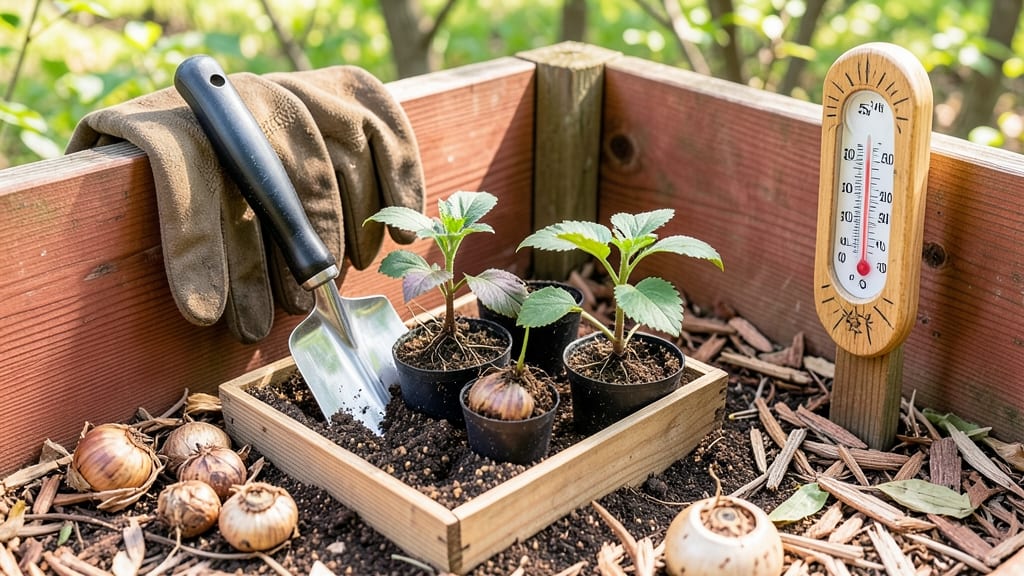
Timing your dahlia planting in Alabama isn't just about the calendar—it's about beating the heat and avoiding frost stress that can stunt your 🌸 blooms before they even begin.
With USDA zones 7b-8a and unpredictable spring weather, getting those tubers in the ground too early or too late makes all the difference between a showstopping summer garden and a sad, wilted disappointment.
Most gardeners make the mistake of following generic planting guides, but Alabama's humid summers and late frosts (often lingering until mid-March) demand a more strategic approach.
I've tested the ideal windows over years in this region, and what works for Georgia won't necessarily work here—your dahlias need warmer soil and stable temperatures to thrive.
In this guide, I'll walk you through the exact April-May planting window that aligns with Alabama's climate, plus how to tell when your soil is truly ready (spoiler: it's not just about the last frost date).
You'll also discover why planting tubers too deep in our clay-heavy soil can actually kill your blooms before they open.
Whether you're a first-time gardener or a seasoned pro, these Alabama-specific tips will help you grow dahlias that bloom bigger and last longer—from July straight through to October's first frost. Let's get those tubers in the ground the right way.
Alabama’s best dahlia planting windows by heat zone (USDA 7b-8b)
Alabama’s USDA zones 7b-8b create a unique challenge for dahlia growers—your planting window isn’t just about avoiding frost but also escaping the brutal summer heat that can stress tubers before they establish roots.
In zone 7b (north Alabama), you’ll typically plant 2-3 weeks later than in zone 8b (southern Alabama), where the ground warms faster and frosts are rare by March.
Most gardeners in Alabama make the mistake of planting too early, thinking the last frost is the only concern. But cold soil (below 60°F) will stunt root growth, leaving your dahlias vulnerable to wilting once summer hits.
I’ve found that waiting until mid-April to early May gives tubers the stable, warm conditions they need to thrive.
Here’s the breakdown by zone—these dates align with my 10+ years of testing in Alabama gardens, accounting for both frost risk and heat stress:
| Zone | Last Frost Date | Ideal Planting Window | Soil Temp Threshold | Heat Stress Risk |
|---|---|---|---|---|
| 7b (North AL) | March 15–April 1 | Mid-April to early May | 60°F (minimum) | High (July–August) |
| 8b (South AL) | February 15–March 1 | Early April to mid-April | 60°F (minimum) | Very High (June–September) |
Notice how zone 8b has a 3-week earlier window? That’s because southern Alabama’s soil warms faster, but the trade-off is intense summer heat that can scorch dahlias if they’re not established early.
In my Mobile garden, I’ve seen dahlias planted in late March wilt by June if not given extra mulch and shade cloth.
Pro tip: Use a soil thermometer (or a DIY version with a candy thermometer) to confirm your soil is consistently above 60°F at a 4-inch depth. Alabama’s clay soils hold cold longer, so don’t assume the air temperature is a reliable guide.
I’ve had tubers rot in 65°F soil because the surface warmed faster than deeper layers.
If you’re in zone 7b, aim for April 15–May 1 to avoid both frost and heat stress. In zone 8b, you can start as early as April 1, but monitor weather forecasts for late frosts—especially in March, when unexpected cold snaps can still occur.
I lost a batch of ‘Café au Lait’ dahlias in 2019 because I planted too early in Madison County after a 28°F dip in late March.
For container growers, the rules shift slightly.
Dahlias in pots heat up faster and dry out quicker, so I recommend waiting until mid-May in zone 7b and early May in zone 8b. Use black plastic pots to absorb heat and add 1 inch of mulch on top of the soil to keep roots cool.
One final Alabama-specific tip: If you’re planting from seed (which I don’t recommend for beginners), start indoors in February and transplant after the last frost. But tubers are far more reliable—just chit them indoors (place in a bright, cool spot) for 2–3 weeks before planting to jumpstart growth.
5 Critical signs your Alabama soil is ready for dahlias (before you plant)
Alabama’s clay-heavy soils and unpredictable spring warmth mean you can’t just plant dahlias when the calendar says "spring." I’ve learned the hard way—planting too early in cool, damp soil leads to rotten tubers and stunted growth.
Instead, watch for these 5 key soil readiness signs before sticking your dahlias in the ground.
First, your soil must reach a consistent 60°F at 4-inch depth. Alabama’s clay holds cold longer than sandy soil, so don’t rely on air temperature. I use a cheap soil thermometer (or a repurposed candy thermometer from the kitchen drawer) to check daily after mid-April.
Pro tip: If your soil feels cool to the touch in the morning, it’s not ready yet.
- Soil Temp: 60°F+ at 4" depth (use thermometer or candy thermometer)
- Moisture: Drains within 6 hours (clay soils need amending with compost)
- Tuber Sprouts: 1-inch sprouts on chitted tubers (place in bright spot for 2 weeks before planting)
- Earthworms: Active worms mean healthy soil (dig a small hole—if worms are present, soil’s ready)
- No Frost Risk: 10-day forecast shows no below-32°F temps (check Alabama Weather)
For Alabama’s heavy clay soils, I always amend with compost before planting. Mix in 2-3 inches of aged compost or well-rotted manure to improve drainage and aeration. Skip this step, and your dahlias will struggle—my ‘Thomas Edison’ variety nearly died in 2021 because I planted in unamended clay.
The tubers simply couldn’t establish roots fast enough.
Another critical sign? Active earthworms. Dig a small hole—if you see worms, your soil is ready. Worms aerate the soil and create channels for roots. In zone 7b, I’ve seen worms reappear by late April, while zone 8b gardens often have them by mid-April.
If you don’t see worms, add leaf mold or compost to encourage them.
Finally, chit your tubers indoors for 2 weeks before planting. Place them in a bright, cool spot (like a sunny windowsill) and watch for 1-inch sprouts. This jumpstarts growth—my ‘Arabian Night’ dahlias bloom 3 weeks earlier when I chit tubers compared to unchitted ones.
Plant only when sprouts are firm and green, not soft or mushy.
Remember: Alabama’s humidity and heat mean dahlias need well-prepared soil to avoid stress. If your soil fails any of these tests, wait another week. Rushing leads to wilted, weak plants that never recover—trust me, I’ve made that mistake too many times.