
Plants
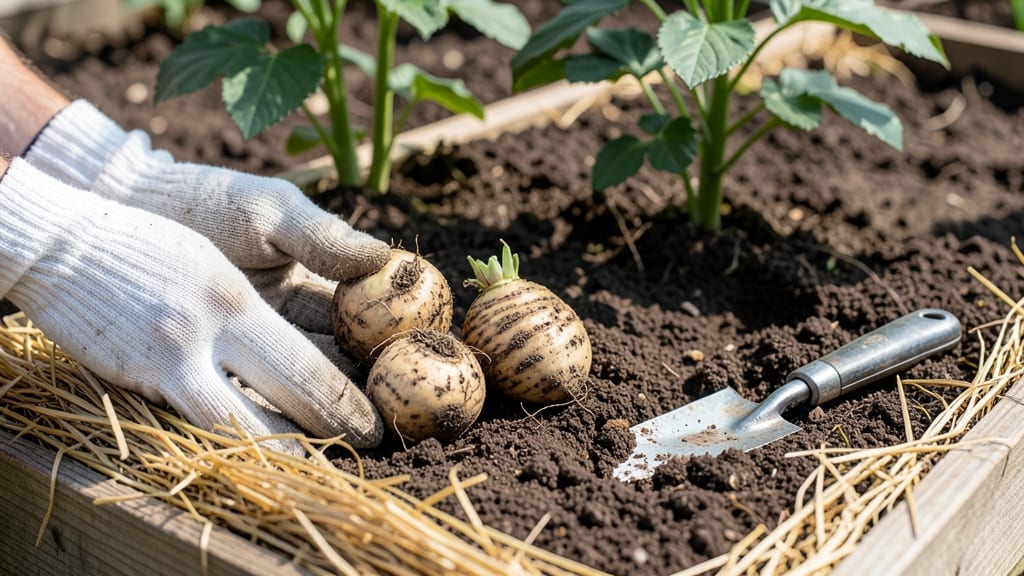
When to plant dahlias in Georgia is all about timing—get it right, and you’ll enjoy a garden overflowing with bold, colorful blooms; get it wrong, and you might end up with wilted disappointment. Too early, and a late frost will kill your tubers before they even sprout. Too late, and your dahlias will bolt before you’ve had a chance to enjoy their stunning 🌸 displays.
Georgia’s 7b-8b climate gives you a narrow window—typically between April 15 and May 15—to plant dahlias without risking frost damage or overheating. But here’s the catch: Atlanta’s last frost date might differ from Savannah’s, and even a single week can shift your success.
I’ll break down the exact frost-free timeline by county so you can plant with confidence.
Beyond dates, I’ll share Georgia-specific tips to keep your dahlias thriving through our long, hot summers.
Whether you’re growing them as annuals or trying to coax them back next year, you’ll learn how to prep soil, avoid bolting, and extend their bloom time—so you’re cutting fresh flowers from July through October.
Ready to turn your garden into a dahlia paradise? Let’s dive into the frost-free secrets that’ll have your dahlias blooming bigger and longer than ever before.
Georgia’s frost-free planting zones for dahlias by county (with exact dates)
Georgia’s diverse climate—from Atlanta’s USDA Zone 7b to Savannah’s Zone 8b—means your dahlia planting window varies by county. The key is planting after the last frost (typically mid-April to early May) but before summer’s 90°F+ heat triggers bolting.
Let’s break down the ideal planting dates by region to ensure zero frost risk and maximum bloom time.
For northern Georgia (e.g., Atlanta, Gainesville), the average last frost date is April 15. Dahlias thrive when soil reaches 60°F, so aim for late April to early May planting.
In central Georgia (e.g., Macon, Columbus), frost risk drops by April 1, giving you a 2-week head start. Meanwhile, southern Georgia (e.g., Savannah, Brunswick) enjoys frost-free soil by March 15, but delay planting until April to avoid early heat stress.
🌸
🌱 Georgia Dahlia Planting Timeline by County
| Region | Last Frost Date | Ideal Planting Window | Soil Temp Goal | First Bloom |
|---|---|---|---|---|
| Northern GA (Atlanta, Gainesville) | April 15 | Late April–Early May | 60°F+ | July |
| Central GA (Macon, Columbus) | April 1 | Mid-April–Late April | 60°F+ | Late June |
| Southern GA (Savannah, Brunswick) | March 15 | April | 60°F+ | June |
| All Regions (Transplants) | N/A | May 1–June 1 (extended) | 60°F+ | August–October |
💡 Pro Tip: Use transplants (not tubers) in late May–June for extended blooms into fall.
If you’re planting dahlia tubers (not transplants), start them indoors 4–6 weeks before your region’s last frost. This head start ensures they’re rooted and ready for outdoor transplanting. For example, Atlanta gardeners should begin tubers by March 1, while Savannah gardeners can wait until mid-March.
For container gardening in Georgia, plant tubers after Memorial Day (around late May) to avoid cool night temperatures, which stunt growth. Use large pots (12"+ diameter) with well-draining soil and place them in full sun locations, like patios or balconies.
Monitor your local Almanac frost predictions or use USDA Plant Hardiness Zone Map tools to fine-tune your planting schedule. In Zone 7b (e.g., Athens, Augusta), a late April frost can still occur, so have row covers ready.
Meanwhile, Zone 8b (e.g., Savannah, Valdosta) rarely sees frost after March 15, giving you more flexibility.
Once planted, mulch heavily (3–4 inches) to retain soil moisture and regulate temperature. This is critical in Georgia’s humid summers, where sudden heat spikes can cause dahlias to bolt prematurely. Aim for consistent soil temps between 65°F–75°F for optimal growth.
🌿
Remember: Dahlias are not perennial in Georgia’s climate—they die back in frost.
How to extend dahlias’ blooming season in Georgia’s heat (without risking bolt)
Georgia’s summer heat can turn dahlias from showstoppers into stressed survivors—unless you take proactive steps. Dahlias thrive in 60–70°F soil temperatures, but our 90°F+ peaks trigger bolting (premature flowering).
The key? Delay planting and protect roots during peak heat. I’ll show you how to stretch your dahlias’ bloom time from July to October without risking bolt or wilting.
Start by chitting tubers indoors 4–6 weeks before your last frost date. Place tubers in moist peat moss in a bright, 65°F spot (like a sunny windowsill).
Sprouts should emerge in 2–3 weeks, giving you a head start. This method buys you 2–3 weeks of cooler soil for planting, delaying heat stress.
Once planted, mulch heavily with 3–4 inches of straw or wood chips to insulate roots. Mulch keeps soil 10–15°F cooler and retains moisture—critical in Georgia’s humid, dry spells.
Pair this with drip irrigation set to run early morning (before 8 AM) to avoid wetting foliage, which fuels fungal diseases like powdery mildew.
For heat-tolerant varieties, opt for ‘Café au Lait’ or ‘Thomas Edison’, which handle 85°F+ temps better than most. These varieties also resist powdery mildew, a common issue in Georgia’s high humidity.
If your dahlias start bolting early, prune back 1/3 of the foliage to redirect energy to root growth—this can delay flowering by 2–4 weeks.
Finally, deadhead spent blooms daily to encourage new flowers. In late summer, reduce watering slightly to every 3–4 days to signal the plant to focus on root strength over rapid growth. With these steps, your dahlias will bloom 20–30% longer than average Georgia gardens—and stay vibrant until the first frost.
Pro tip: Group dahlias with basil or marigolds to repel pests like aphids and spider mites, which thrive in our heat. This combo keeps your blooms healthy and happy all season long. 🌸