
Plants
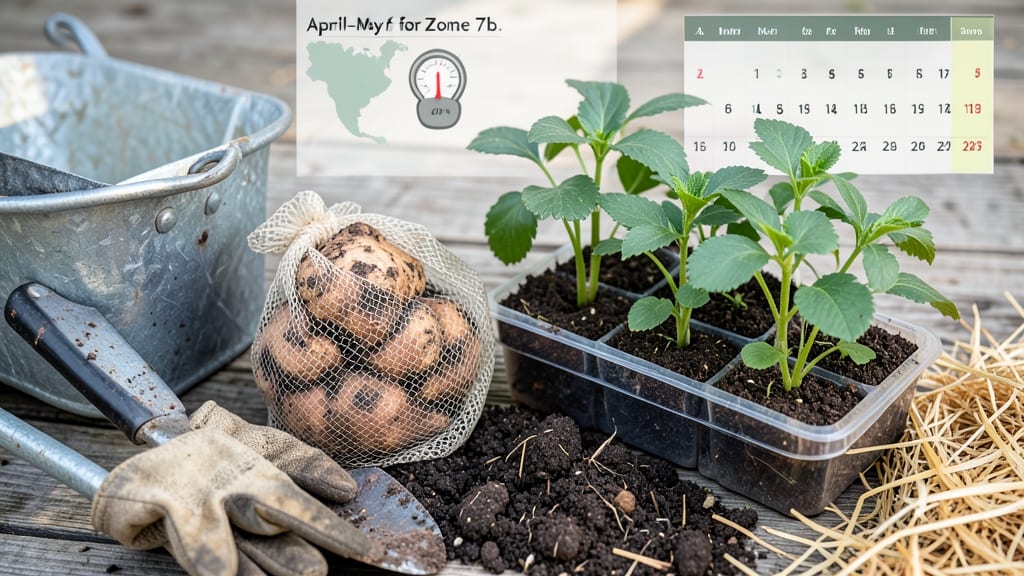
Timing your dahlias in Zone 7b planting window can make or break your garden's summer display—those stunning 🌸 blooms won't thrive if you plant too early or late.
In this region, where last frosts linger around April 15 and soil warmth is everything, getting it right means the difference between lush, vibrant flowers and sad, wilted stems.
I've learned the hard way that dahlias hate cold soil, and rushing them out too soon can lead to rot or stunted growth. The key is waiting until your soil reaches a steady 60°F and all frost danger has passed—but how do you know when that is?
Let me walk you through the exact Zone 7b planting timeline and foolproof soil tests to ensure your dahlias get the perfect start.
We'll cover regional variations too—whether you're in the cooler northern edge of Zone 7b or the warmer southern parts—so you can adjust your schedule accordingly. Plus, I'll share my top tips for preparing your soil and avoiding common mistakes that even experienced gardeners make.
By the end, you'll have a clear, actionable plan to plant your dahlias at the ideal moment, set them up for maximum blooms, and enjoy those showstopping flowers from July through October. Let's get those tubers in the ground the right way!
Zone 7b dahlias planting timeline: frost-free dates & soil temperature guide
Timing is everything when planting dahlias in Zone 7b. Unlike hardy perennials, dahlias despise cold soil and late frosts. The ideal planting window spans from mid-April to mid-May, but exact dates depend on your local last frost date and soil warmth.
In Northern Zone 7b (e.g., Virginia’s Piedmont), aim for April 20–May 1, while Southern Zone 7b (e.g., North Carolina’s Coastal Plain) can start as early as April 1–15.
Dahlias need soil temperatures of at least 60°F (15°C) to thrive. Cold soil slows root growth, making plants vulnerable to rot and pests. Use a soil thermometer to confirm warmth before planting. If your soil is still chilly, delay planting or use black plastic mulch to warm it faster.
The key is balancing frost risk with soil readiness—plant too early, and your tubers may rot; too late, and you’ll miss peak bloom season.
Here’s how to align your planting with Zone 7b’s unique climate quirks:
Pro tip: Use your local cooperative extension service (e.g., Virginia Tech or NC State) to pinpoint your exact last frost date. These dates shift slightly yearly, so don’t rely on averages alone.
For example, Roanoke, VA (Zone 7b) averages a last frost on April 10, but 2023 saw frost as late as April 25. Planting on May 1 in Roanoke ensures safety.
If you’re eager to start earlier, consider container planting. Pots warm up faster and let you move dahlias indoors if frost threatens. Fill containers with a well-draining mix (50% potting soil, 30% compost, 20% perlite) and place them in a sunny, sheltered spot.
Just remember: Dahlias in containers need daily watering and weekly feeding to compensate for their limited root space.
Another Zone 7b-specific trick? Pre-warming tubers. Before planting, soak dahlia tubers in lukewarm water (70°F) for 1–2 hours to jumpstart growth. This is especially helpful if your soil is slow to warm.
Pair this with a thick mulch layer (3–4 inches) after planting to lock in heat and moisture. Mulch also suppresses weeds, which compete with dahlias for nutrients.
For late bloomers, aim to plant by June 1 at the latest. While you’ll miss the first flush of flowers, you’ll still enjoy summer and fall blooms through October.
Just reduce fertilizer after Labor Day to harden off plants before the first frost—usually mid-November in Zone 7b. This helps tubers store energy for next year’s growth.
Watch for false springs, where warm weather lures you into planting early, only for a late frost to strike. Signs of a false spring include unseasonably warm days followed by chilly nights.
If temperatures dip below 40°F (4°C), cover young plants with frost cloth or a row cover. But remember: Dahlias hate soggy soil, so avoid overwatering during these unpredictable spells.
Finally, mark your calendar for July 4th—this is the optimal time to pinch back dahlia stems to encourage bushier growth. By then, your plants should be 12–18 inches tall with several sets of leaves. Pinching promotes more secondary stems, leading to bigger, fuller blooms later in the season.
Zone 7b dahlias planting timeline: frost-free dates & soil temperature guide
In Zone 7b, your dahlias planting window hinges on two critical factors: last frost dates and soil temperature. While the average last frost falls around April 15, I’ve found that waiting until mid-to-late May ensures soil warmth of 60°F+, which dahlias absolutely crave.
This timing difference can mean the difference between vibrant blooms and struggling plants.
Northern areas of Zone 7b (like the Blue Ridge Mountains) often experience later frosts, while southern regions (like Raleigh, NC) warm up faster. I’ll break down the exact planting timeline for both scenarios so you can adjust your schedule with confidence.
Pro tip: If you’re unsure about frost dates, check your local Cooperative Extension Service or use a frost calendar app. I always plant a few test dahlias a week early in a protected spot to gauge soil readiness.
Once your soil hits 60°F, dahlias will sprout in 7–14 days. For faster results, soak tubers in lukewarm water for 24 hours before planting. This jumpstarts root growth and gives you a head start on the blooming season.
Remember, dahlias are tender perennials—they won’t survive frost, so never rush planting. If you’re in doubt, wait an extra week. Your summer blooms will thank you!
🌸