
Plants
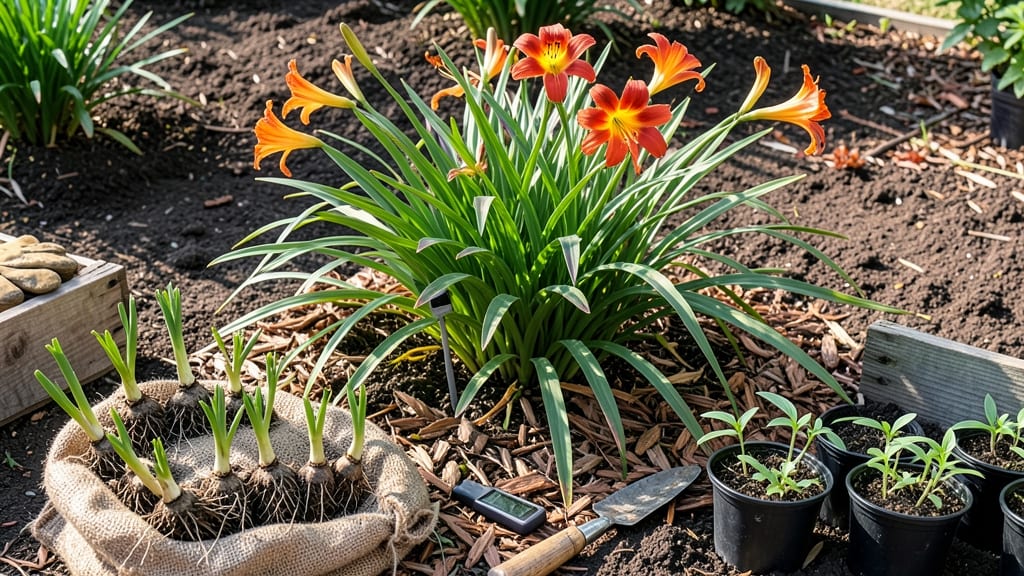
If you’ve ever watched your daylilies plant in Texas bolt into unsightly seedpods or wilt under the state’s brutal summer sun, you know timing is everything.
Planting these hardy perennials at the wrong moment can mean fewer blooms and more stress—but get it right, and you’ll enjoy vibrant color from spring through fall with minimal fuss.
Texas gardeners face a unique challenge: the state’s extreme heat and varied climates make the right planting window the difference between thriving daylilies and struggling ones.
Whether you’re in North Texas’s cooler zones or South Texas’s scorching summers, knowing when to plant ensures your daylilies establish strong roots before the heat peaks.
Most gardeners assume spring is the only option, but that’s not always true for Texas. I’ll show you the best months to plant—whether you’re working with bareroot starts or potted plants—and how to prepare your soil for maximum success. No more guessing games about when to dig in your daylilies.
Ready to transform your garden into a zero-bolt, heat-resistant blooming paradise? Let’s break down the science-backed timing and care tips tailored just for Texas’s climate zones.
Best planting months for Texas daylilies: avoiding heat stress and bolting
Texas’s brutal summers and unpredictable winters make timing critical for daylilies. Unlike northern climates, spring planting is your best bet—just avoid the 100°F+ heat that torches tender roots. The ideal window spans February through April, when soil warms to 60°F+ but before summer’s scorching sun peaks.
Why this window? Daylilies establish roots slowly in heat, but fall planting risks winter dieback in North Texas (Zones 7-8). South Texas (Zones 9-10) can push planting to late October, but even then, shade cloth helps young plants survive.
Bareroot daylilies need immediate moisture—plant them when rain is forecasted or use drip irrigation for the first 2 weeks. Potted daylilies, however, handle summer planting better (May-June) because their roots stay hydrated longer.
| Method | Best Months | Soil Temp | Key Tip |
|---|---|---|---|
| Bareroot | Feb-Apr | 60°F+ | Soak roots 1 hour before planting |
| Potted | May-Jun | 70°F+ | Remove container; trim roots |
| Fall (North TX) | Oct-Nov | 55°F+ | Mulch 3" deep after planting |
North Texas gardeners (Zones 7-8) should plant by March 15 to avoid summer’s bolting risk—when daylilies send up seed pods instead of blooms. South Texas (Zones 9-10) can extend planting to April 30, but afternoon shade is a must during June-August.
Pro tip: Test soil moisture before planting. Stick your finger 2 inches deep—if it’s dry, wait for rain. If soggy, amend with compost to improve drainage. Daylilies hate waterlogged roots, which cause root rot in Texas’s heavy clay soils.
For container planting, use fast-draining mix (60% potting soil, 30% perlite, 10% sand). Containers dry out 3x faster than ground beds, so water daily until established. Move containers to partial shade during 110°F+ heatwaves to prevent leaf scorch.
Mulch 2-3 inches deep with pine straw or shredded bark to retain moisture and regulate soil temps. Avoid grass clippings—they mat down and smother roots. In East Texas’s humidity, add 1 inch of mulch to prevent fungal diseases like rust.
After planting, fertilize lightly with 5-10-10 (1 tbsp per plant). Skip high-nitrogen fertilizers—they promote leafy growth over blooms. Instead, use low-nitrogen, high-phosphorus blends to encourage flowering.
Monitor for aphids and spider mites, which thrive in Texas’s dry heat. Spray plants with neem oil weekly until blooms appear. Once established, daylilies rarely need pesticides—their hardiness keeps pests at bay.
Remember: Patience pays off. Daylilies planted in ideal spring months may not bloom until year two, but they’ll reward you with zero-bolt, heat-resistant blooms for decades. 🌸
Best planting months for Texas daylilies: avoiding heat stress and bolting
Texas’s USDA zones 7-10 create a tricky balance for daylilies—too early, and your plants bolt into seedpods; too late, and they struggle to establish roots before summer’s brutal heat. The ideal window depends on whether you’re planting bareroot daylilies (dormant roots) or potted daylilies (already established).
For most of Texas, late winter to early spring (February–March) is your safest bet, but South Texas gardeners should aim even earlier.
In North Texas (zones 7-8), where winters are milder, you can plant as early as mid-February for bareroot varieties, giving roots time to establish before the heat peaks in May. Potted daylilies, which are less stress-prone, can handle planting until late March.
Meanwhile, South Texas (zones 9-10) demands an earlier push—plant bareroot daylilies in January to avoid the 100°F+ summers that can shock tender roots.
Here’s the critical rule: Plant when soil temperatures reach 55–65°F—warm enough to encourage root growth but not so hot that roots dry out. Use a soil thermometer to check; if it’s above 70°F, wait or plant in shade cloth until roots establish.
This is especially important for bareroot daylilies, which are most vulnerable to heat stress.
🌱 Texas Daylily Planting Comparison
| Factor | North Texas (Zones 7-8) | South Texas (Zones 9-10) |
|---|---|---|
| Best Month for Bareroot | Mid-February to March | January to early February |
| Best Month for Potted | March to April | February to March |
| Soil Temp Threshold | 55–65°F | 50–60°F (cooler to avoid heat shock) |
| Avoid Planting After | Late March (risk of heat stress) | Early March (summer drought risk) |
| Key Preparation Step | Amend soil with compost | Add mulch immediately after planting |
Pro tip: If you miss the ideal window, don’t despair—fall planting (October–November) is a backup for North Texas. The cooler temps help roots establish before winter dormancy, and you’ll see blooms the following spring.
Just avoid planting in late fall if frost is forecasted; daylilies can tolerate light freezes but not prolonged cold.
One common mistake Texas gardeners make is planting bareroot daylilies in summer, thinking they’re drought-tolerant. While daylilies are tough once established, their roots need 6–8 weeks to acclimate before summer’s heat.
If you plant in June, your daylilies will spend the hottest months struggling to root, leading to stunted growth or even death. Always prioritize root establishment over convenience.
To maximize success, pair your planting with soil prep: daylilies thrive in well-draining, slightly acidic soil (pH 6.0–6.5). Work in 2–3 inches of compost or aged manure before planting, and consider a slow-release fertilizer (like 10-10-10) to give roots a nutrient boost.
Mulch with 2–3 inches of organic mulch (straw or pine bark) to retain moisture and regulate soil temperature—critical in Texas’s extreme heat and drought conditions.