
Plants
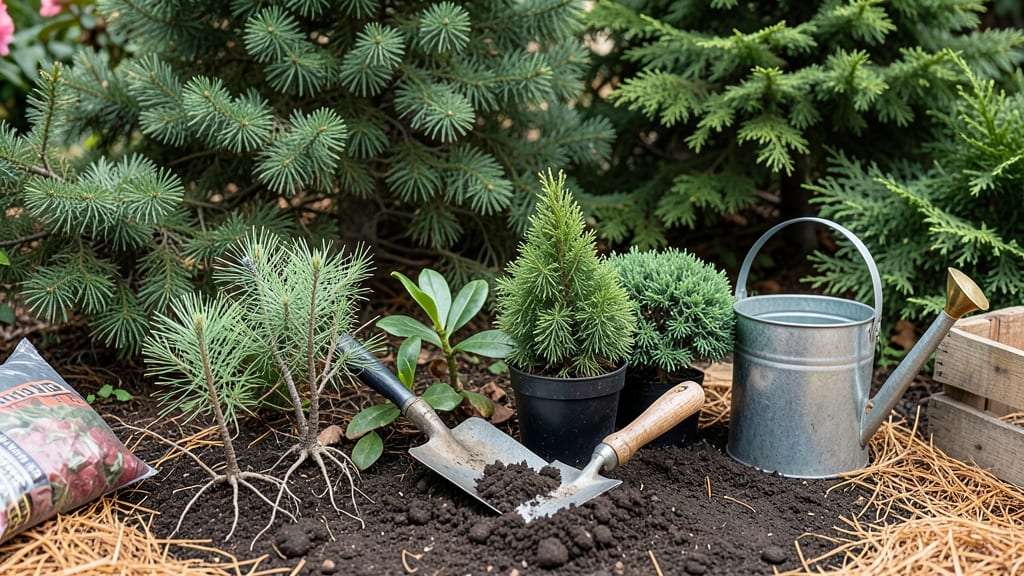
Knowing when to plant evergreens in Zone 6 is the difference between a thriving 🌲 and a struggling one—especially when unpredictable frost dates can throw off even the best-laid plans.
If you've ever watched your new evergreen wilting after a late spring freeze or struggling to take root in soggy fall soil, you're not alone. The key to success lies in planting during those narrow windows when soil temperatures cooperate and the risk of frost is low.
For gardeners in Zone 6 (6a-6b), the best months to plant evergreens are either in early spring—right after the last frost around mid-April—or in fall, about 4-6 weeks before the first frost hits in mid-October.
These timing windows give roots time to establish before winter dormancy, setting your evergreens up for strong growth in their first year. But getting it wrong can mean wasted money and heartache.
I’ve seen firsthand how a well-timed planting can transform a yard—rhododendrons bursting with color, boxwoods standing tall, and arborvitae thriving year after year. The secret isn’t just picking the right month; it’s understanding your local microclimate, preparing the soil, and choosing the right species for your space.
Let’s break down exactly how to get it right the first time.
Whether you're a seasoned gardener or just starting to add evergreens to your landscape, this guide will help you avoid common mistakes and give your plants the best shot at success. Ready to plant with confidence? Let’s dive in.
Best months to plant evergreens in Zone 6 for optimal growth
Zone 6 gardeners know that evergreens like rhododendrons, boxwoods, and pine trees thrive when planted at the right time. The ideal window is either early spring (after last frost) or late summer/fall (4-6 weeks before first frost).
This timing lets roots establish before extreme cold or summer heat stress.
Spring planting (March-April) gives young evergreens 6-8 weeks of warm soil before summer drought hits. Fall planting (September-October) allows roots to grow in cool soil while the plant enters dormancy before winter. Both strategies reduce transplant shock and boost survival rates in Zone 6's variable climate.
🌱 Pro Tip: Check your local last frost date (typically mid-April in Zone 6) and first frost date (usually mid-October). Plant evergreens 4-6 weeks before that first frost to give roots time to anchor.
📅 Planting Window Comparison for Zone 6 Evergreens
| Season | Best Months | Soil Temp | Key Advantage |
|---|---|---|---|
| Early Spring | March-April | 50°F+ | Full growing season ahead |
| Late Summer | August-September | 60°F+ | Cooler roots, less stress |
| Fall | October-November | 45°F+ | Established roots before freeze |
For bare-root evergreens, plant as soon as possible after purchase—even in winter months—since their roots aren't encased in soil. Container-grown evergreens, however, can wait until spring or fall. Always inspect roots before planting: white, firm roots are healthy, while dry or mushy roots signal stress.
Zone 6's microclimates play a huge role. Evergreens in sheltered spots (like near a south-facing wall) can handle later fall planting, while exposed areas need earlier timing. Use a soil thermometer to confirm temperatures: aim for 50°F+ for spring and 45°F+ for fall.
🌿 Species-Specific Tip: Rhododendrons and azaleas prefer acidic soil (pH 4.5-6.0), while boxwoods tolerate neutral soil (pH 6.0-7.0). Test your soil before planting to avoid pH-related stress during establishment.
If you miss the ideal window, don't panic! Evergreens planted in late spring (May) or early winter (December) can still survive with extra care: deeper watering, mulch protection, and winter wraps for young plants. Just be prepared for slower initial growth.
💡 Remember: The goal is root establishment, not immediate foliage growth. A well-timed planting gives your evergreens the best chance to thrive through Zone 6's hot summers and cold winters.
How to prepare evergreens for Zone 6 planting: step-by-step guide
Preparing evergreens for Zone 6 planting isn't just about digging a hole—it's about creating the perfect conditions for root establishment and long-term health. Start by selecting healthy plants with white, flexible roots and vibrant foliage.
Avoid evergreens with yellowing needles or dry root balls, as these signs indicate stress or disease.
🌱 First Step: Acclimate container-grown evergreens 2-3 days before planting by placing them in a shaded outdoor spot. This helps them adjust to temperature fluctuations and light changes without shock. For bare-root evergreens, soak the roots in water for 1-2 hours before planting to rehydrate them.
📋 Step-by-Step Planting Prep for Zone 6 Evergreens
- 🔹 Test Soil pH: Use a soil test kit to check pH. Rhododendrons need acidic soil (pH 4.5-6.0), while boxwoods prefer neutral soil (pH 6.0-7.0).
- 🔹 Amend Soil: Mix compost or peat moss into native soil for better drainage and nutrients. For sandy soil, add organic matter like leaf mold.
- 🔹 Dig the Hole: Make it twice as wide as the root ball but no deeper. Loosen sides to encourage root spread.
- 🔹 Prune Damaged Roots: Trim circular roots or broken roots with sterilized pruners before planting. Avoid over-pruning healthy roots.
- 🔹 Plant at Correct Depth: The root flare (where roots meet trunk) should sit 1-2 inches above soil level. Burying too deep causes rot.
After planting, water deeply to eliminate air gaps and encourage root contact with soil. Use a slow-release fertilizer (like 10-10-10) to provide nutrients without burning young roots. Mulch around the base with 2-3 inches of organic mulch (pine straw or shredded bark) to retain moisture and regulate soil temperature.
💧 Watering Schedule: Keep soil consistently moist (not soggy) for the first 4-6 weeks. Water deeply 2-3 times per week in summer and reduce to once weekly in fall/winter. Avoid wetting foliage to prevent fungal diseases like needle blight.
For container-grown evergreens, gently remove the pot and loosen roots at the edges if they're root-bound. This encourages outward growth into the surrounding soil. If planting in clay soil, mix in perlite or sand to improve drainage—evergreens hate soggy roots.
🌿 Post-Planting Care: Stake tall evergreens (like arborvitae) to prevent wind damage during establishment. Remove stakes after 1-2 years once roots are stable. Monitor for pests like spider mites or diseases like root rot, and address issues early.
Zone 6's variable climate means evergreens planted in fall need extra protection as winter approaches. Apply a 3-inch layer of mulch in late fall and consider burlap wraps for young plants in exposed areas. With proper prep, your evergreens will thrive for decades—not just survive their first year.