
Vegetables
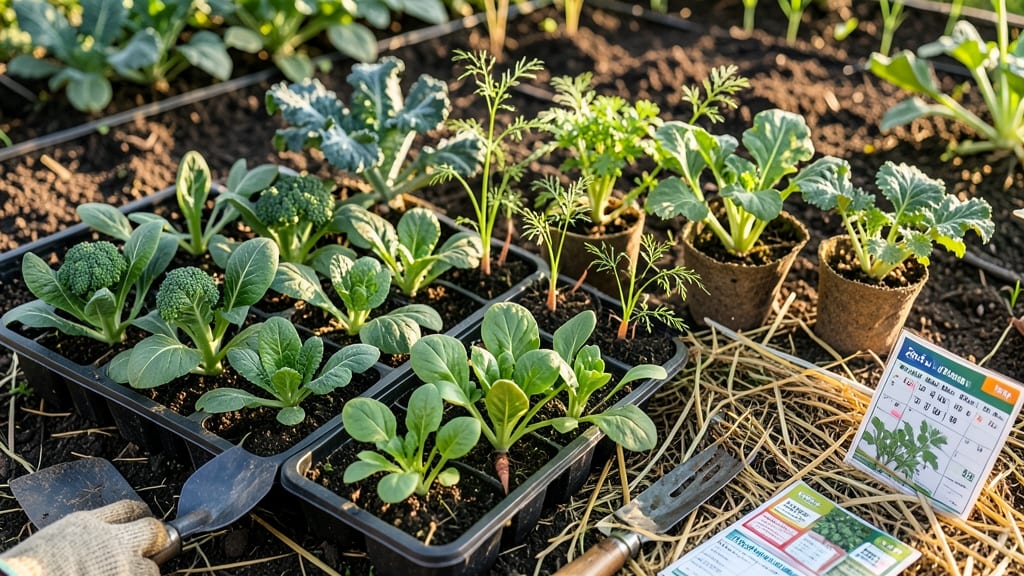
Knowing when to plant fall vegetables in Zone 5 can mean the difference between a bountiful harvest and a sad, frost-bitten garden. With the right timing, you can grow hearty crops like kale, carrots, and spinach—even when the air starts to chill.
But plant too early, and your greens bolt in the heat; wait too long, and frost steals your dinner before it’s ready.
The key is understanding your Zone 5 frost dates and soil temperatures, which shift dramatically between July and September. Unlike spring planting, fall gives you a second chance to grow, but the window is narrower—and the stakes are higher.
One wrong move, and your fall garden could end up half-baked or half-frozen.
I’ll walk you through the exact planting timeline for your favorite fall crops, including how to prep your soil, choose the right varieties, and protect your harvest from early frosts. Whether you’re a beginner or a seasoned gardener, these tips will help you maximize your fall growing season.
Ready to turn your garden into a crisp, colorful harvest? Let’s get started—your future salads (and soups) will thank you.
Zone 5 fall planting timeline by soil temperature & frost dates
Fall planting in Zone 5 hinges on two critical factors: soil temperature and first frost dates. Unlike spring, you’re working with a shrinking window—typically mid-July to early September—to ensure crops mature before winter.
The goal? Plant when soil cools to 70°F or below for cool-season crops, but not so late that frost strikes before harvest.
For Zone 5, the average first frost date falls around October 1, but this varies by microclimate. Urban areas may frost earlier, while rural spots near lakes or hills can delay frost by 1-2 weeks.
Always check your local USDA Plant Hardiness Zone map and historical frost data to fine-tune your timing.
Here’s the golden rule: Plant cool-season crops 4-6 weeks before your first frost. This ensures they reach maturity before temperatures drop below 25°F, which can kill most vegetables. For example, kale and spinach tolerate light frosts, while broccoli and carrots need a longer growing window.
Warm-season crops like tomatoes and peppers planted in early summer can sometimes produce a fall harvest if given enough heat. However, their growth slows as days shorten, so prioritize fast-maturing varieties (e.g., ‘Early Girl’ tomatoes) and use row covers to extend the season.
Soil temperature is just as critical as air temperature. Use a soil thermometer to monitor conditions—ideal planting temps for cool-season crops range from 45°F to 70°F. If your soil is still above 75°F in late August, wait a week or two to avoid stressing seedlings.
Day length also plays a role. As daylight shortens in late summer, many plants (like leafy greens) grow more slowly. To compensate, choose compact, cold-hardy varieties and space them closely to maximize yield in limited time.
Pro tip: Succession planting is your best friend in fall. Instead of sowing all your radishes or lettuce at once, stagger plantings every 2 weeks to ensure a steady harvest. This works especially well for fast growers like radishes (30 days) and spinach (40 days).
Don’t overlook overwintering crops like garlic and onions. These can be planted in late fall (October-November) to harvest the following summer. Their bulbs develop during cold months, making them a smart choice for extending your garden’s productivity.
🌱 Zone 5 Fall Planting Cheat Sheet
| Crop | Planting Window | Days to Maturity | Weeks Before Frost | Soil Temp |
|---|---|---|---|---|
| Kale | Mid-July to Aug 15 | 45-60 days | 4-6 weeks | 45-70°F |
| Spinach | Late July to Aug 30 | 30-50 days | 3-5 weeks | 50-65°F |
| Broccoli | Mid-August to Sept 1 | 50-70 days | 6-8 weeks | 50-60°F |
| Carrots | Late July to Aug 20 | 60-80 days | 7-9 weeks | 55-65°F |
| Radishes | Aug 15 to Sept 15 | 25-30 days |
Best fall vegetables for Zone 5 & their ideal planting windowsFall gardening in Zone 5 is all about timing—especially when choosing which vegetables to plant. Cool-season crops thrive in the crisp air, while a few warm-season holdovers can stretch their harvests if planted early enough. The key is matching your planting dates to each crop’s days-to-maturity and your first frost date (typically around October 1 in Zone 5). Fast growers like radishes and spinach can handle late starts, while slower crops like broccoli or kale need to be in the ground by early September. Below, I’ve ranked the top fall vegetables for Zone 5, categorized by how early you should plant them to avoid frost damage. Pro tip: Succession plant quick growers every 2 weeks for a continuous harvest! 🌱 Fast Growers (30-45 days)
🌿 Mid-Season (45-60 days)
🌳 Late-Season (60+ days)
For warm-season holdovers like tomatoes or peppers, your window is tighter. Start seeds indoors by late February and transplant outdoors by mid-May. Use row covers to extend their season into early fall. Just remember: these guys bolt quickly when nights dip below 50°F! Pro move: Check your local frost dates (they vary by 5-10 days even within Zone 5). Adjust planting dates accordingly—earlier in northern Zone 5 (e.g., Chicago) and slightly later in southern areas (e.g., Columbus). A soil thermometer is your new best friend for nailing the perfect timing. Need a quick reference? Bookmark this list and pair it with your frost date cheat sheet. With this strategy, you’ll be feasting on homegrown kale chips and fresh carrots long after your neighbors’ gardens have gone dormant. Happy planting! |