
Plants
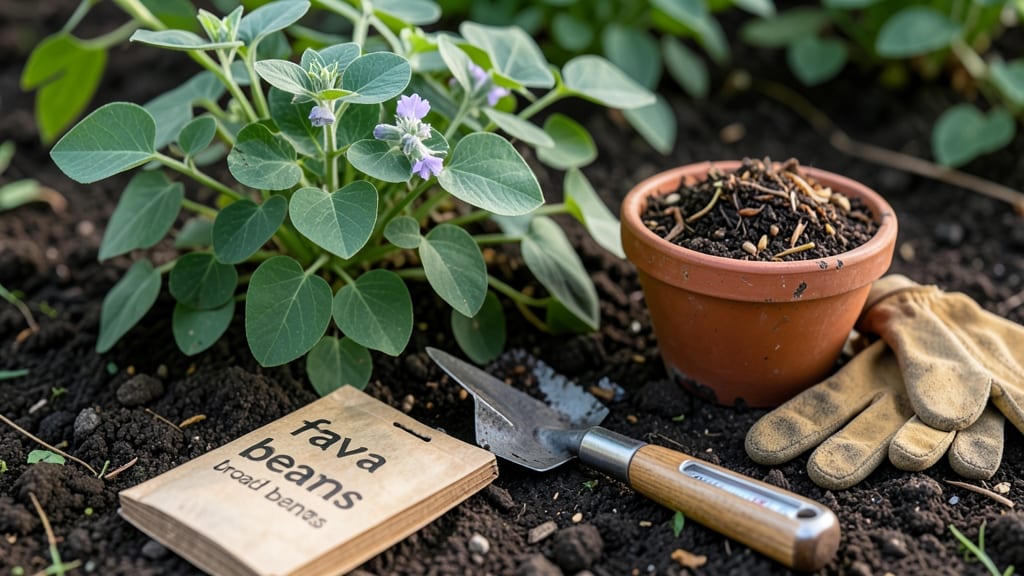
Timing your fava bean planting in Zone 6 can make or break your harvest—get it wrong, and you risk stunted growth or lost crops entirely. Unlike heat-loving veggies, these cool-season legumes thrive when soil temperatures hover between 40-50°F, a window that opens just as frost risks fade.
If you've ever wondered why some gardeners swear by early spring plantings while others prefer fall, the answer lies in your local frost dates.
In Zone 6, where the last frost typically arrives around April 15, the ideal window stretches from late March through early April—or again in late summer for a fall harvest. This dual strategy lets you double your yield without extra work.
Here's the game-changer: fava beans love that crisp spring air and can handle light frost, but planting too late means tougher pods and lower yields.
I'll show you exactly how to sync your schedule with soil warmth and frost predictions, plus pro tips to protect your crop if Mother Nature throws a curveball.
Ready to grow bigger, sweeter fava beans with confidence? Let's break down the perfect planting calendar for your Zone 6 garden, so you can enjoy fresh harvests from June through November—and maybe even overwinter them for an early spring surprise.
Zone 6 frost dates & soil temperature guide for planting fava beans
Fava beans thrive in Zone 6’s cool climate, but timing is everything. The average last frost date here is around April 15, but soil temperature matters more than air temperature for successful germination.
Fava beans need soil between 40-50°F to sprout reliably—warmer soil speeds up growth, but too much heat stresses young plants. Understanding these frost and soil temperature thresholds helps you avoid common mistakes like frost damage or stunted growth.
Unlike heat-loving crops, fava beans actually prefer cooler weather. This makes them ideal for early spring or fall planting in Zone 6. However, planting too early risks soil being too cold (below 40°F), while waiting too late can mean summer heat stress before harvest.
The sweet spot? Aim for soil temperatures between 45-55°F—this window typically aligns with March-April for spring and September-October for fall plantings.
Here’s how to use frost dates and soil warmth to pinpoint your planting window:
Zone 6 gardeners often make the mistake of waiting until after the last frost to plant fava beans, assuming warmer soil is better. But fava beans germinate best in cooler soil—planting too late can lead to bolting (premature flowering) or poor pod development.
The key is to monitor soil temperature rather than air temperature. For example, in early March, air might be chilly, but soil could already be at 45°F, making it prime planting time.
For fall plantings, aim to sow seeds 8-10 weeks before your first frost. This ensures pods mature before winter sets in. In Zone 6, that typically means late September. Use black plastic mulch to warm soil faster if needed, but avoid overheating—fava beans hate summer heat.
A soil thermometer is your best friend here; it removes the guesswork and helps you time plantings perfectly.
Another pro tip: Plant in succession every 2 weeks during your chosen window (spring or fall). This stretches your harvest over 4-6 weeks, giving you a steady supply of fresh pods.
For example, if you plant your first batch in early March, follow up with batches in mid-March and late March to ensure continuous harvests through June-July.
If you’re new to growing fava beans, start with a small test batch in early spring to gauge your soil’s warming rate. Note when sprouts emerge and adjust future plantings accordingly.
Over time, you’ll develop a personalized planting schedule that accounts for your microclimate—whether you’re in a cooler valley or a warmer urban area within Zone 6.
Remember, fava beans are hardy but not heat-tolerant. Once soil temperatures exceed 70°F, growth slows, and pods may fail to develop properly. This is why fall plantings often yield better in Zone 6—cooler temperatures extend the growing season naturally.
By aligning your plantings with soil warmth and frost dates, you’ll maximize your harvest and avoid common pitfalls like bolting or poor pod set.
🌱
Zone 6 frost dates & soil temperature guide for planting fava beans
Fava beans are cool-season champions, but their success hinges on two critical factors in Zone 6: soil temperature and frost dates. Unlike heat-loving crops, these legumes thrive when soil temps sit between 40-50°F—a window that opens just as frost risks fade.
In most of Zone 6, the last frost typically arrives around April 15, but this can vary by 1-2 weeks depending on your exact location.
To avoid frost damage while maximizing growth, aim to plant when your soil reaches 45°F and stays consistently above freezing. This usually aligns with late March to early April for spring plantings.
For a fall harvest, late August to early September works best—giving your beans time to mature before the first frost hits around October 15.
🌱 Zone 6 Fava Bean Planting Timeline
| Stage | Action | Soil Temp | Frost Risk |
|---|---|---|---|
| Late Winter | Start seeds indoors | 40-50°F | High |
| Early Spring | Direct sow outdoors | 45-55°F | Moderate |
| Late Summer | Direct sow for fall harvest | 50-60°F | Low |
| Fall | Harvest before first frost | 50°F+ | High |
💡 Pro Tip: Use a soil thermometer to confirm temps—cold, wet soil can delay germination.
If you're planting in early spring, use row covers or cloches to protect young seedlings from unexpected late frosts. For fall plantings, choose early-maturing varieties like 'Aquadulce Cloaked' to ensure harvests before frost.
I’ve found that planting in late August gives me pods ready by mid-October, just before the first hard freeze.
One common mistake is waiting until the soil is too warm—above 60°F—which can stress fava beans. They’ll still grow, but yields suffer. Test your soil’s warmth by pressing your hand into it: if it feels cool but not icy, it’s likely in the ideal range.
Pair this with checking your local frost prediction maps (like the National Weather Service or Almanac tools) for the most accurate timing.
For maximum success, combine soil temperature checks with frost date tracking. Plant when your soil hits 45°F and you’ve got 8-10 weeks until the first frost—this ensures pods mature before cold sets in. In Zone 6, that’s typically March 20-April 10 for spring or August 20-September 10 for fall.
Remember, fava beans are hardy and can even survive light frost, but their growth slows dramatically in cold soil. By syncing your planting with these temperature and frost windows, you’ll avoid the heartbreak of stunted plants or lost harvests—and enjoy sweet, tender pods all season long.