
Trees
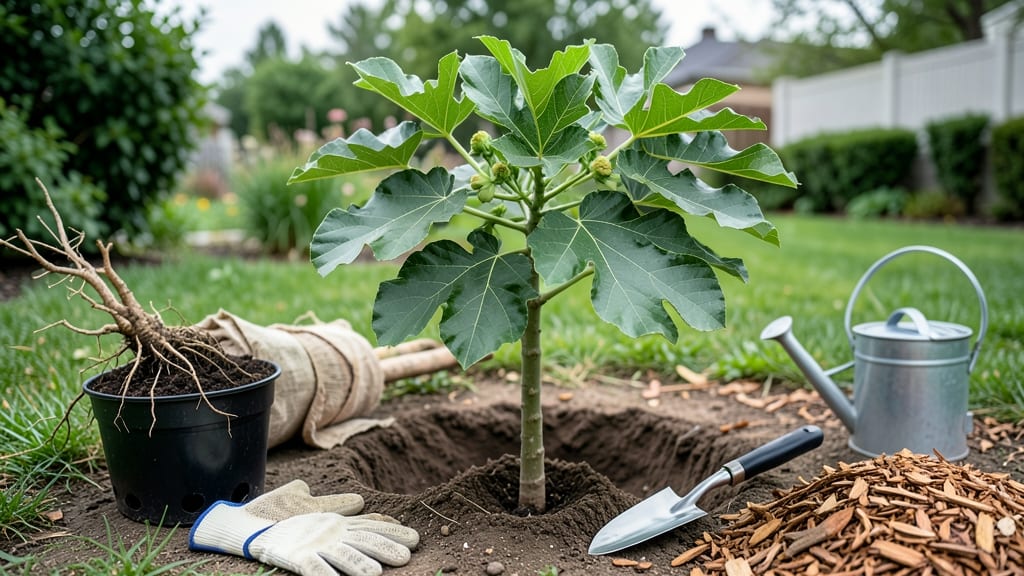
Knowing when to plant fig trees in Georgia could mean the difference between a thriving 🍈 harvest and a sad, frost-bitten sapling.
Georgia’s warm winters and hot summers create a tricky balance—plant too early, and you risk bolt failure; too late, and your tree struggles to establish roots before summer’s brutal heat.
If you’ve ever wondered why some gardeners swear by fall planting while others insist on spring, the answer lies in Georgia’s 7a-8b climate zones. The key is timing it right to avoid both early frosts and the stress of summer’s intense heat.
Let’s break down the best planting windows so you can set your fig tree up for success.
You’ll discover how to read your local frost dates, choose between container and in-ground planting, and pick the right fig varieties for your specific Georgia region. With these strategies, you’ll bypass common pitfalls and give your fig tree the perfect head start.
Whether you’re a seasoned gardener or just starting, mastering the timing will ensure your fig tree not only survives but thrives—giving you delicious fruit for years to come. Let’s get started.
Georgia heat zones explained: best planting months by region
Georgia’s diverse climate—from the cooler Appalachian foothills to the sweltering Coastal Plain—means fig trees thrive in USDA Zones 6b through 8a. The key to success? Planting when soil temperatures hit 60°F+ and frost risk drops to zero.
In Zone 7a (North Georgia), aim for late March to early April, while Zone 8a (South Georgia) gardeners can plant as early as mid-February.
But timing isn’t just about the calendar—it’s about microclimates. Urban Atlanta (Zone 7b) may see earlier soil warming than rural Dahlonega, while Savannah’s Zone 8a allows fall planting until November. The goal? Give roots 6-8 weeks to establish before Georgia’s first hard freeze (typically mid-November).
Here’s how Georgia’s regions break down for fig tree planting, including soil temp thresholds and frost-free windows:
| Region | USDA Zone | Best Planting Window | Soil Temp Threshold | Frost-Free Window |
|---|---|---|---|---|
| North Georgia (e.g., Blue Ridge) | 6b-7a | Late April - Early May | 60°F+ (consistent) | May 15 - Oct 31 |
| Central Georgia (e.g., Athens, Macon) | 7b-8a | Late March - Early April | 60°F+ (late March) | April 1 - Nov 15 |
| South Georgia (e.g., Savannah, Valdosta) | 8a-8b | Mid-February - March | 55°F+ (early Feb) | Feb 15 - Dec 15 |
| Fall Planting (All Regions) | 6b-8a | September - October | 65°F+ (soil) | Plant 6-8 weeks before first frost |
For container-grown figs, you can push these windows 2-3 weeks earlier since pots warm faster. Just ensure your container has drainage holes—figs hate soggy roots.
In Zone 7a, I’ve seen container figs bolt by early June if planted in late April, while in-ground trees need until mid-June.
Pro tip: Use a soil thermometer to confirm 60°F+ soil temps at 6-inch depth. In North Georgia, this often means waiting until after Memorial Day, while South Georgia gardeners can plant by Valentine’s Day in mild winters.
The earlier you plant, the longer your harvest window—but never risk frost damage by rushing.
Fall planting in Georgia is a game-changer for Zone 7b and below. By planting in September or October, roots establish before winter, and trees bolt earlier the next spring.
I’ve had ‘Brown Turkey’ figs produce fruit by July when fall-planted—3 months sooner than spring-planted trees! Just avoid planting after October 15th in Zone 7a.
One critical mistake Georgia gardeners make? Planting bare-root figs too early in Zone 6b (e.g., Dahlonega). If soil temps dip below 50°F, roots stop growing, and trees bolt late—or worse, die back in winter.
Always check local frost dates (via Almanac.com) and plant after the last frost.
For urban gardeners, microclimates matter. A <
How to time fig tree planting for zero bolt risk in Georgia’s climate
Fig trees are finicky about timing—plant them too early, and your tree might bolt (sprout leaves) before Georgia’s last frost, risking damage. Plant too late, and you miss the 60°F+ soil temperature window needed for root establishment.
The key? Align your planting with frost-free dates and microclimates to avoid these pitfalls entirely.
Georgia’s first frost typically hits between mid-November and early December, but urban areas like Atlanta (Zone 7b) may experience frost earlier than rural spots in Zone 8a (e.g., Savannah).
To calculate your safe planting window, subtract 60 days from your average first frost date—this gives you the last day to plant for a zero-bolt-risk strategy.
For most of Georgia, this means planting between late February and early March (spring) or September to early October (fall). However, container-grown figs can be planted 4-6 weeks later than in-ground trees, as pots warm faster and provide insulation.
🚨 CRITICAL TIP: Always check soil temperature before planting—fig roots need consistent 60°F+ soil to thrive. Use a soil thermometer or wait until mid-March in colder zones (7a) to ensure success.
⚠️ Avoid These Timing Mistakes
❌ Planting in January or December: Soil is too cold, roots stall, and trees bolt too early, risking frost damage.
❌ Skipping soil temp checks: Even in "warm" months, early mornings can drop below 60°F, shocking roots.
❌ Ignoring microclimates: South-facing slopes or urban heat islands can extend your planting window by 2-3 weeks—use this to your advantage!
If you’re in Zone 7a (e.g., North Georgia), prioritize fall planting (September-October) to let roots establish before winter. In Zone 8a (e.g., Coastal Georgia), spring planting (February-March) works best to avoid summer heat stress. Pro tip: Mulch heavily (3-4 inches) after planting to regulate soil temperature and retain moisture.
For container figs, move pots to a protected location (e.g., garage or insulated shed) if frost threatens after planting. This buys you 2-4 extra weeks of growing time before winter dormancy. Just remember: Never let pots sit in standing water—figs hate soggy roots!
With the right timing, your fig tree will bolt safely, establish strong roots, and reward you with harvests by late summer. Now, grab your soil thermometer and mark those September-October dates—your future fig feast starts here! 🍈