
Flowers
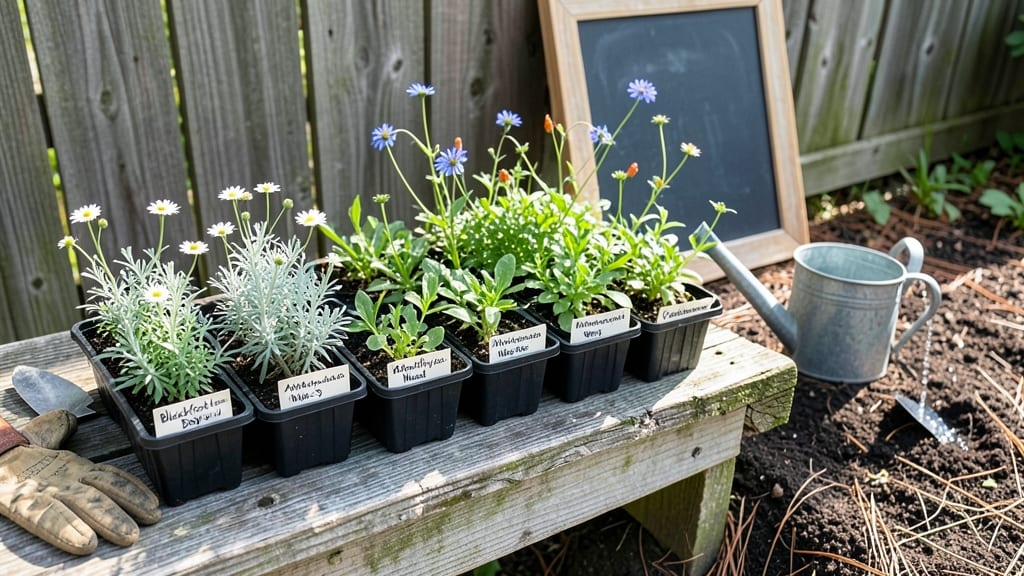
Timing your flowers in Arkansas planting could make or break your garden’s success—especially in USDA Zone 7a, where frost lingers later than you’d expect. One wrong move, and your 🌸 could wilt before they even bloom, leaving you frustrated and wondering where things went wrong.
I’ve spent years watching gardens thrive (and fail) in Arkansas, and the key isn’t just when you plant—it’s understanding the hidden clues in your local climate.
From early spring’s unpredictable chill to fall’s sneaky early frosts, knowing the exact window for your favorite blooms means the difference between a showstopping garden and a sad, half-hearted attempt.
Let me show you how to read Arkansas’s seasonal signals—like soil temperature and frost-free averages—to plant with confidence. Whether you’re dreaming of vibrant annuals or hardy perennials, these strategies will help you beat the odds and enjoy blooms all season long.
Ready to turn your garden into a zero-frost success story? Let’s dive into the planting calendar that actually works for Arkansas gardeners.
Arkansas flower planting calendar: exact dates by flower type for zone 7a
Arkansas’ USDA Zone 7a means your last frost date typically falls between March 15–April 15, but don’t rely on averages—check local forecasts!
For annual flowers, aim to plant 2–4 weeks after the last frost when soil reaches 60°F. Perennials and bulbs have different rules, so timing matters for each type.
Southern Arkansas (warmer microclimates) can plant 1–2 weeks earlier than northern regions. Use row covers or cold frames to extend your season if frost lingers. For fall planting, start 6–8 weeks before the first frost (usually mid-November), giving flowers time to establish roots before winter.
| Flower Type | Spring Planting Window | Fall Planting Window | Notes |
|---|---|---|---|
| Annuals (e.g., Impatiens, Petunias) | April 1–May 15 | September 1–October 15 | Heat-sensitive; avoid late starts. |
| Perennials (e.g., Daylilies, Coneflowers) | March 15–April 30 | September 15–October 30 | Establish roots before summer heat. |
| Bulbs (e.g., Tulips, Daffodils) | October–November (fall) | N/A | Plant bulbs in fall for spring blooms. |
| Heat-Tolerant Annuals (e.g., Zinnias, Marigolds) | April 15–June 1 | August 1–September 15 | Forgive late starts; thrive in heat. |
🌱 Pro Tip: Test soil temperature with a thermometer—60°F+ ensures faster germination.
For northern Arkansas, wait until mid-April to plant tender annuals like begonias or fuchsias, as late frosts are common.
In southern Arkansas, you can start late February for early blooms, but monitor soil moisture—drought stress slows growth. Black-eyed Susans and coreopsis are perennials that tolerate dry spells, making them ideal for Arkansas’ variable rainfall.
If you’re unsure about frost dates, use seed-starting indoors for slow-growing perennials like lavender or Russian sage. Transplant them 4–6 weeks before the last frost to give roots time to adjust. For bulbs, plant tulips and daffodils in October—they need chill time to bloom next spring.
Don’t overlook fall planting! Many cool-season flowers, like pansies and snapdragons, thrive when planted in September. They’ll survive light frosts and bloom earlier in spring than spring-planted varieties. Mulch heavily after planting to protect roots from temperature swings.
For container gardening, extend your season by moving pots to sheltered spots at night. Self-watering containers help prevent drought stress during Arkansas’ summer heatwaves. Choose drought-resistant varieties like portulaca or lantana for low-maintenance blooms.
Remember: soil preparation is key. Amend clay-heavy Arkansas soil with compost or peat moss to improve drainage. Test your soil’s pH—most flowers prefer 6.0–7.0. Adjust with lime (to raise pH) or sulfur (to lower pH) before planting.
Missed the spring window? No problem! Fast-growing annuals like cosmos and sunflowers can be planted through June for summer color. Just water deeply and mulch to keep roots cool. Succession planting every 2–3 weeks ensures continuous blooms all season.
Track your garden’s progress with a planting journal. Note when you plant, local frost dates, and bloom times. Over time, you’ll refine your Arkansas-specific schedule for zero-frost success. Happy gardening!
How to adjust planting times for Arkansas’s unpredictable frost patterns
Arkansas’s frost patterns are famously fickle—one year, your 🌸 petunias might survive a late April frost, while the next, a May freeze wipes out your entire garden. The key to beating these surprises? Flexible planting strategies that account for soil temperature, microclimates, and real-time weather trends.
I’ve learned the hard way that hard deadlines don’t work here. Instead, focus on soil temperature thresholds (most flowers need 60°F+ to thrive) and local frost-free averages.
Northern Arkansas (e.g., Fayetteville) often sees frost until April 15, while southern areas like Little Rock may be safe by March 20.
Here’s my go-to rule: Start seeds 6-8 weeks indoors for heat-loving annuals like marigolds or zinnias, then transplant after your last frost date—even if that means waiting until May 1.
For cool-season blooms like pansies or snapdragons, plant in early September to beat the first frost.
🌱 Pro Tip: Use a soil thermometer ($10 at garden centers) to confirm readiness. Most flowers need 55-65°F soil—if it’s cooler, wait. Row covers (floating fabric) can extend your spring planting window by 2-3 weeks, shielding tender seedlings from late frosts.
⚠️ Frost Warning: Never plant tender annuals before May 1 in northern Arkansas
Why? A 28°F night in April can kill petunias, geraniums, and impatiens—even if daytime temps are warm. Perennials like daylilies or black-eyed Susans are tougher but still need soil warmth to sprout.
Exception: Bulbs (e.g., tulips) planted in fall can handle cold—just mulch heavily after planting.
For second-chance planting, opt for fast-growing annuals like cosmos or sunflowers, which sprout in 7-10 days and tolerate heat stress. If you miss spring, late summer (August) is your backup—just choose heat-tolerant varieties like portulaca or celosia.
Track your local frost dates using the National Weather Service or apps like PlantNet. In Arkansas, first frost typically hits November 15 in the north and November 1 in the south—so fall planting should wrap up by October 15 for most flowers.
Remember: Patience beats perfection. If your soil’s too cold or frost is forecasted, wait. A healthy, late-planted flower beats a struggling, frost-bitten one any day. 🌿