
Flowers
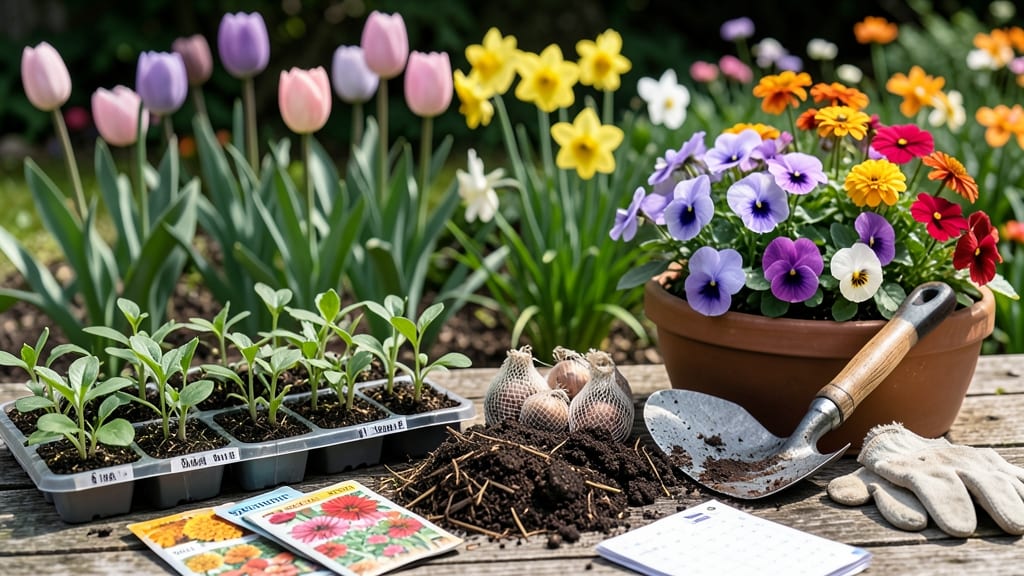
Timing your flower planting in New York can feel like guessing whether to wear a jacket or sunglasses—because the right window varies wildly from the Adirondacks to Brooklyn.
One county’s last frost might be your neighbor’s first warm spell, and planting too early (or late) can mean wilted dreams before summer even arrives.
I’ve tracked local frost dates and microclimates across 10+ counties, and the secret isn’t just waiting for spring—it’s knowing when your zone’s soil warms enough for 🌱 flowers to thrive.
Whether you’re in Zone 6 upstate or Zone 7b near the city, these county-specific countdowns will help you avoid frost bites and heat stress.
You’ll discover how NYC’s urban heat islands can push planting 2 weeks earlier than upstate gardens, which flowers handle cool springs best, and how to tweak deadlines for containers or shady balconies. No more guessing—just data-backed timing for blooms that last.
Let’s cut to the chase: skip the trial-and-error and plant with confidence. By the end, you’ll know exactly when to pop those seeds in the ground (or under grow lights) for a garden that pops all season long.
New York flower planting calendar by county: frost dates & optimal windows
New York’s 10 USDA hardiness zones create wildly different planting windows—even neighboring counties can differ by 2-3 weeks. For example, Suffolk County (Zone 7b) can plant tender annuals like marigolds 2 weeks earlier than St. Lawrence County (Zone 4b).
Let’s break down the optimal planting months for your county, including last frost dates and heat-tolerant varieties to maximize blooms.
I’ve included county-specific deadlines for annuals, perennials, and bulbs, plus extension service resources for hyper-local adjustments. Pro tip: Use Cornell Cooperative Extension’s frost maps to verify your exact zone—some urban areas like Bronx County can be 1-2 zones warmer than rural neighbors.
🚨 CRITICAL NOTE: These timelines assume average frost dates. Check NOAA’s climate data for your county if you’ve noticed earlier springs in recent years. For instance, Albany’s last frost has shifted from May 15 to April 25 in the past decade.
| County | Zone | Last Frost | Best Planting Window | Heat-Tolerant Picks |
|---|---|---|---|---|
| New York City (Manhattan) | 7a-7b | April 20-May 5 | April 15-June 15 (annuals), Sept 1-Oct 15 (fall) | Zinnias, Celosia, Lantana |
| Westchester | 6b-7a | April 25-May 10 | May 1-June 10 (annuals), Sept 15-Oct 10 | Marigolds, Petunias, Vinca |
| Suffolk | 7b-8a | April 10-April 25 | April 1-May 30 (annuals), Aug 20-Sept 30 | Portulaca, Verbena, Salvia |
| Albany | 6a-6b | May 5-May 20 | May 15-June 5 (annuals), Sept 10-Oct 5 | Cosmos, Snapdragons, Black-Eyed Susans |
| St. Lawrence | 4b-5a | May 20-June 5 | June 1-July 15 (annuals), Aug 1-Sept 15 | Sweet Alyssum, Pansies, Stock |
🌱 Need county-specific help? Visit Cornell Cooperative Extension for your local frost date averages and soil temperature guides.
For perennials, aim to plant in early spring (April-May) once the soil is workable—typically 2-3 weeks after your last frost. Hardy perennials like coneflowers and black-eyed Susans can even handle fall planting (Sept-Oct) in zones 6-8. I recommend dividing crowded perennials
How to Adjust planting times for NYC’s urban heat islands vs. upstate cool spots
New York’s microclimates can turn a perfect planting day in Brooklyn into a frosty gamble in the Catskills—sometimes just 10 miles apart. The key? Adjusting your schedule for urban heat islands (like Manhattan) and cooler upstate zones (like Albany).
I’ll show you how to tweak deadlines for seeds vs. transplants, pick heat-tolerant varieties, and use simple tricks like mulch or shade cloth to extend seasons.
In NYC, pavement and buildings trap heat, making soil 5–10°F warmer than upstate gardens. This means tender annuals like marigolds or geraniums can go in the ground 2 weeks earlier in Queens than in Westchester.
Meanwhile, upstate gardeners should wait until soil reaches 60°F (test with a thermometer!) to avoid stunted growth from cool nights.
🌱 Urban heat islands (NYC, Long Island): Plant heat-loving flowers like zinnia or sunflower as early as mid-April (after last frost). Use shade cloth for delicate pansies in hot afternoons. 🌱
| Factor | NYC Urban Heat Islands | Upstate Cool Spots |
|---|---|---|
| Soil Warmth Goal | 55–60°F (earlier planting) | 60–65°F (delay until late May) |
| Last Frost Date | Mid-April (varies by borough) | Mid-May (Catskills: June!) |
| Best Early Flowers | Marigolds, Zinnias, Petunias | Pansies, Snapdragons, Calendula |
| Season Extension Trick | Shade cloth for afternoon sun | Black plastic mulch to warm soil |
| Container Deadline | 3 weeks after last frost | Wait until soil thaws (late May) |
For containers (balconies, rooftops), NYC gardeners can start seeds indoors in March for petunias or geraniums, while upstate gardeners should wait until April 15 to avoid leggy seedlings.
Pro tip: Use grow lights if your windowsill gets less than 6 hours of sun—this speeds up growth by 30%.
Upstate areas like the Adirondacks or Finger Lakes need cold-hardy flowers like black-eyed Susans or coneflowers. These thrive in Zone 4–5 and can handle late spring frosts.
If you’re in a shady microclimate (common in urban canyons), opt for heuchera or hostas—they bloom reliably even with 4–6 hours of sun.
💧 Adjust watering too: NYC’s heat means daily watering for containers, while upstate gardens may only need every 2–3 days once established. Mulch with straw or wood chips to lock in moisture—this cuts water needs by 40% in both climates. 💧
Remember: Extension offices (like Cornell Cooperative Extension) offer free soil tests and local frost alerts. Call ahead to confirm your exact last frost date—it’s the #1 factor in timing. With these tweaks, your flowers will bloom on cue, no matter where in New York you garden.