
Flowers
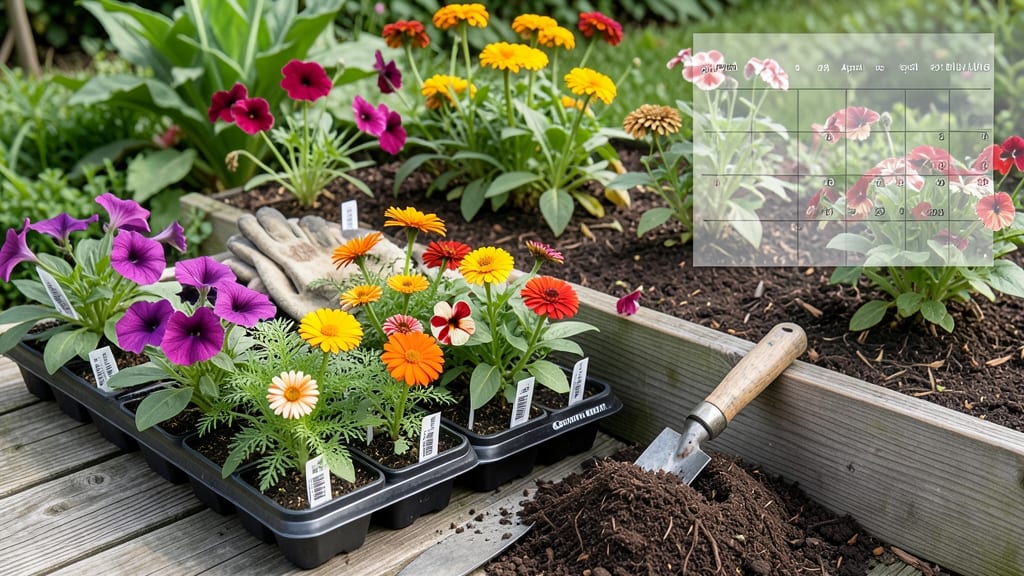
Timing your flower planting in Philadelphia can mean the difference between vibrant blooms and wilting disappointment—especially with USDA Zone 6B’s unpredictable frost dates. If you’ve ever watched your hard work fade overnight because of a late frost, you know how crucial getting the timing right is.
The good news? With the right schedule, you can enjoy 🌸 flowers from spring through fall, even in this variable climate.
Most gardeners in Philadelphia focus on two key windows: spring (March–May) and fall (September–October). But here’s the catch—planting too early risks frost damage, while waiting too long might leave you with stunted growth.
I’ll break down exactly when to plant annuals, perennials, and bulbs so you can avoid common pitfalls and maximize your garden’s potential.
Did you know that Philadelphia’s last frost typically hits around April 15, but first frosts can sneak in as early as November? That means your planting window is tighter than you think.
Whether you’re a seasoned gardener or just starting, these insights will help you plan smarter and enjoy a garden that thrives all season long.
Ready to transform your outdoor space? Let’s dive into the best planting strategies for your Philadelphia garden, so you can skip the guesswork and enjoy stunning flowers year after year.
Philadelphia’s frost dates: critical planting windows by flower type
Philadelphia’s USDA Zone 6B climate creates unique challenges for gardeners, especially when planting flowers. The average last frost date is April 15, but cold snaps can linger until early May.
Meanwhile, the first frost typically arrives around October 30, though early frosts in November aren’t uncommon. These dates dictate your planting windows to avoid frost damage.
Understanding these frost dates helps you plan for spring and fall planting. Spring plantings should wait until after the last frost, while fall plantings must occur early enough for roots to establish before winter.
For tender annuals, like petunias or marigolds, timing is critical—plant too early, and frost will kill them; too late, and they may struggle with summer heat.
Here’s how to align your planting schedule with Philadelphia’s climate to maximize blooms:
| Flower Type | Planting Window | Notes |
|---|---|---|
| Annuals (tender) | After May 1 (or when soil is 60°F+) | Avoid frost; use row covers if early planting. |
| Perennials | March-April (early spring) or September (fall) | Establish roots before summer heat or winter. |
| Bulbs (spring) | September-October (fall) | Plant before ground freezes; blooms next spring. |
| Bulbs (fall) | October-November (late fall) | Cold stratification needed; plant before hard frost. |
| Cold-hardy annuals | March-April (before May 1) | Pansies, snapdragons, and sweet alyssum tolerate light frost. |
For annual flowers, like geraniums or zinnias, wait until after May 1 to plant. These heat-loving plants need warm soil to thrive, and planting too early risks stunted growth or frost damage. Use a soil thermometer to confirm temperatures are above 60°F before planting.
If you’re eager to start earlier, opt for cold-hardy annuals like pansies or snapdragons. These can handle light frosts and even bloom in cooler weather. Plant them as early as March for a head start on your season.
Just be prepared to protect them with frost cloth if temperatures dip below 28°F.
Perennials are more forgiving, as they return year after year. Plant them in early spring (March-April) or early fall (September) to give roots time to establish. Fall planting is ideal for perennials like coneflowers or black-eyed Susans, as they benefit from cooler temperatures and winter moisture.
Bulbs are another story. For spring-blooming bulbs, like tulips or daffodils, plant them in September-October. This gives them time to root before winter. Fall-blooming bulbs, such as crocuses or alliums, should go in the ground by October-November to ensure they’re ready for spring growth.
Philadelphia’s unpredictable heatwaves can also disrupt planting. If a late spring frost is forecasted, delay planting tender annuals until after the danger has passed. Similarly, if summer heat arrives early, opt for shade-tolerant varieties like impatiens or begonias to avoid wilting.
Always check the Penn State Extension or local weather forecasts for updates on frost dates. Their 10-day forecasts can help you adjust your planting schedule dynamically. With the right timing, you’ll enjoy a longer, more vibrant flower season in Philadelphia.
How to extend your Philadelphia flower season: cold-hardy varieties and protection tips
Philadelphia’s short growing season (just 180 frost-free days) doesn’t mean your flower beds have to be bare for months. By choosing cold-hardy varieties and using simple protection methods, you can extend blooms from early spring to late fall.
The key is selecting plants that thrive in Zone 6B’s chilly shoulders and knowing when to shield them from unexpected frosts.
Start with pansies and violas—they’re the unsung heroes of early spring planting. These frost-tolerant annuals can handle light freezes down to 20°F and often bloom as early as March 15, adding splashes of color when little else is growing.
Pair them with snapdragons, which tolerate 25°F and come in vibrant shades perfect for containers or borders.
For late-season extensions, coneflowers (Echinacea) and black-eyed Susans are perennial workhorses. Once established, they bounce back from fall frosts and may even rebloom in September or October if deadheaded regularly.
Add mums (Chrysanthemums) for a burst of color—choose hardy varieties like ‘Autumn Joy’ that survive 20°F and bloom until the first hard frost.
Cold-Hardy Flowers: Protection Pros & Cons
Pros:
- Pansies: 20°F tolerance, early blooms
- Snapdragons: 25°F tolerance, vertical interest
- Coneflowers: Perennial rebloom, pollinator magnet
- Mums: Late-season color, frost-resistant
Cons:
- Tender annuals (e.g., petunias) need row covers for 32°F+
- Over-mulching can smother spring bulbs
- Plastic cloches trap heat but may burn leaves in sun
Protection Tips:
- Use organic mulch (straw) for insulation
- Row covers extend season by 2-4 weeks
- Cloches work best for small plants
- Group plants to create microclimates
Avoid:
- Synthetic mulches (block airflow)
- Planting too late (September 15 cutoff)
- Overwatering before frost
- Heavy pruning in fall
For container gardens, choose cold-resistant varieties like calendulas or stocks, which tolerate 28°F. Move pots to sheltered spots (near foundations or under eaves) to protect roots. Wrap containers in bubble wrap or burlap for extra insulation during late fall—this can add 3-5°F protection to roots.
If you’re ambitious, try DIY cold frames or mini greenhouses for tender perennials like dahlias or canas. These structures create 5-10°F warmer microclimates and can push blooms into November. Just
Finally, don’t underestimate the power of mulching. A 3-inch layer of straw or shredded leaves insulates soil and keeps roots 5-10°F warmer than bare ground. For early spring, remove mulch from bulbs (tulips, daffodils) by February 15 to let them warm up and bloom on time.