
Flowers
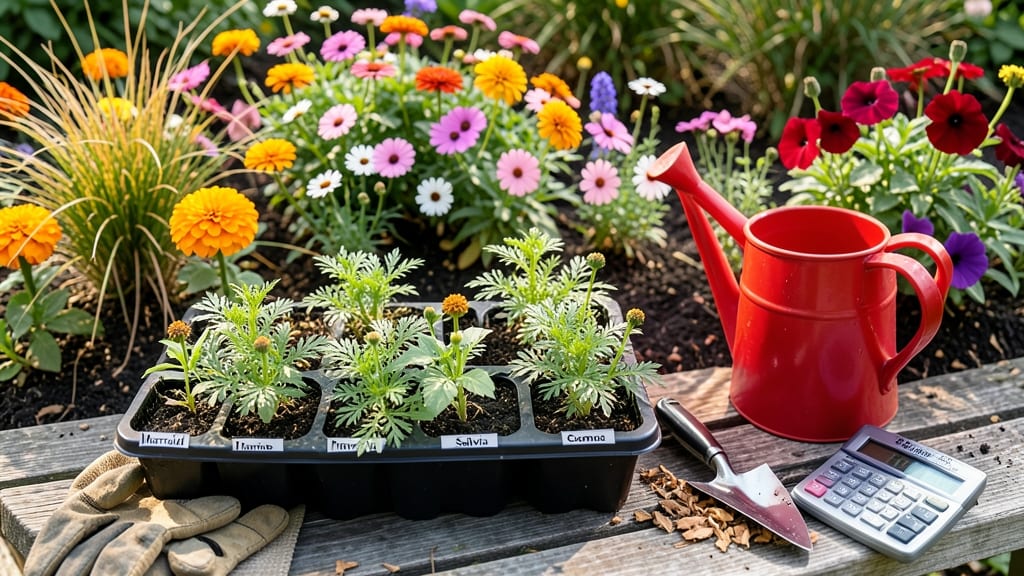
If you’ve ever watched your 🌸 flowers wilt under San Antonio’s brutal summer heat or freeze overnight during a surprise frost, you know when to plant flowers in San Antonio is everything.
The key to a thriving garden here isn’t just when you plant—it’s mastering the 6-month window between September and March when the city’s unpredictable weather actually works in your favor.
Most gardeners assume "spring planting" means March, but in Zone 8a-9a, that’s a gamble. The last frost often lingers until mid-February, while summer’s scorching temperatures can fry delicate blooms by April.
That’s why local experts recommend starting annuals in fall and perennials in early winter—when soil stays cool and rainfall is reliable.
I’ve tested these strategies in my own San Antonio garden, and the difference is night-and-day: zero frost damage, longer bloom seasons, and flowers that actually survive the heat.
Whether you’re planting drought-resistant natives or classic annuals, I’ll show you the exact months to avoid common mistakes and maximize your garden’s potential.
Ready to stop guessing and start growing? Let’s dive into the microclimate-specific schedule that’ll turn your garden into a year-round paradise—without the stress.
San Antonio’s frost-free planting zones: when to start annuals vs. perennials
San Antonio’s USDA Zone 8a-9a climate means your flower planting schedule hinges on avoiding last frost dates (typically February 15) and extreme summer heat.
Annuals and perennials have different timing needs—annuals thrive when soil temps drop below 85°F, while perennials often need 6-8 weeks before the first frost to establish roots. The Hill Country’s cooler microclimate can delay planting by 2-3 weeks compared to downtown’s urban heat island.
For annual flowers, aim to plant after April 15 (for heat-tolerant varieties like zinnias) or September 1-October 15 (for cooler-season blooms like pansies). Perennials like Mexican poppies or blackfoot daisies should go in October-November to beat winter dormancy.
Urban areas may need shade cloth in summer to protect tender seedlings.
Here’s how San Antonio’s microclimates affect timing:
| Zone/Region | Last Frost Date | Ideal Planting Window | Key Adjustments |
|---|---|---|---|
| Downtown/Urban | Feb 10–15 | Annuals: Apr 15–May 15 Perennials: Oct 1–Nov 15 |
Use shade cloth for summer; water deeply 2x/week |
| Hill Country | Feb 20–Mar 1 | Annuals: May 1–Jun 1 Perennials: Oct 15–Dec 1 |
Soil stays cooler; mulch heavily to retain moisture |
| North Side (e.g., Stone Oak) | Feb 5–10 | Annuals: Apr 1–May 10 Perennials: Sep 20–Oct 30 |
East-facing beds get morning sun; protect from afternoon heat |
Perennials like salvias or coneflowers can handle San Antonio’s heat once established, but their root systems need time to develop before winter. For example, blackfoot daisies planted in November will bloom by February, while Mexican feather grass (a drought-tolerant perennial) thrives when sown in September.
Always test your soil’s drainage—San Antonio’s clay soil can suffocate roots if not amended with compost.
If you’re planting bulbs like Mexican poppies, do it in October for spring blooms. These bulbs need cool winter stratification to trigger flowering, but they’ll bolt in heat if planted too early.
For tender annuals like marigolds, wait until after May 1 to avoid 30°F nighttime temps that can kill young plants.
Urban heat islands in downtown San Antonio can push soil temps 10°F higher than rural areas. Use light-colored mulch to reflect heat and drip irrigation to keep roots cool. For container gardens, switch to self-watering pots during June-August to prevent wilting.
Pro tip: Check the San Antonio Botanical Garden’s frost alerts (they post updates on their Facebook page) for real-time adjustments. Their data shows that late frosts can occur as late as March 1 in some years—so don’t rush spring plantings!
For summer-blooming annuals like zinnias or sunflowers, start seeds indoors in March and transplant after Memorial Day. These heat-lovers thrive in 90°F+ temps but will bolt prematurely if planted too early. Pair them with drought-tolerant perennials like lantana to reduce watering needs.
Remember: San Antonio’s humidity (especially in summer) means fungal diseases like powdery mildew are a risk. Space plants 3–4 inches apart for airflow and avoid overhead watering. A 2-inch layer of mulch will also help regulate soil moisture and temperature.
🌱
Top 5 flowers to plant in each season (with exact dates)
San Antonio’s long growing season and mild winters mean you can enjoy flowers year-round—but timing is everything. I’ve narrowed down the top 5 heat-tolerant, frost-resistant flowers for each season, complete with exact planting dates to maximize blooms.
These picks thrive in our USDA Zone 8a-9a climate, whether you’re in the Hill Country’s cooler microclimate or downtown’s urban heat island.
For spring blooms, start with Mexican poppies (Eschscholzia californica) in late February—they tolerate light frosts and burst into color by March. Pair them with sweet alyssum (Lobularia maritima), planted in early March for a sweet, low-growing carpet of white or purple.
Both love full sun and well-draining soil, making them perfect for San Antonio’s caliche-heavy beds.
🌸 Seasonal Planting Calendar
- 🌼 Mexican Poppy – Late Feb
- 💜 Sweet Alyssum – Early Mar
- 🌷 Snapdragons – Mid-Mar
- 🌻 Zinnias – After Apr 15
- 🌺 Lantana – Early May
- 🌸 Blackfoot Daisy – Late Apr
- 💙 Salvia – Early Sep
- 🍃 Dusty Miller – Mid-Aug
- 🌵 Yucca – Late Sep
- 💖 Pansies – Oct–Nov
- ❄️ Stock – Late Nov
- 🌸 Calendula – Early Dec
All dates assume average frost-free windows; adjust 1–2 weeks for microclimates.
Summer heat? No problem. Zinnias (Zinnia elegans) are my go-to for June–October blooms—plant them after April 15 once soil temps hit 70°F+. Their drought tolerance makes them ideal for San Antonio’s 100°F+ spells, and they attract butterflies like crazy.
For shade-loving spots (like East Side yards), blackfoot daisies (Melampodium leucanthum) thrive in partial shade and bloom from late April through October with zero fuss.
Fall is when native Texas flowers shine. Autumn sage (Salvia greggii) planted in early September delivers non-stop color until first frost, while dusty miller (Artemisia stolonifera) adds silver foliage contrast when planted in mid-August.
Both handle our fall humidity better than imported varieties. Pro tip: Mulch heavily to protect roots from temperature swings between day and night.
Winter isn’t over for flowers! Pansies (Viola × wittrockiana) planted in October–November brave light frosts and bloom until February, while stock (Matthiola incana) sown in late November rewards you with fragrant spikes by January.
For container gardens, these cold-hardy picks let you extend your season without risking frost damage. Just water sparingly—winter rains often do the work for you!
Remember: Soil temperature matters more than air temperature in San Antonio. Use a soil thermometer (aim for 60°F+ for most flowers) and test drainage—our caliche layer can trap water, leading to root rot. For urban gardens, elevated beds help avoid heat reflection from pavement.