
Flowers
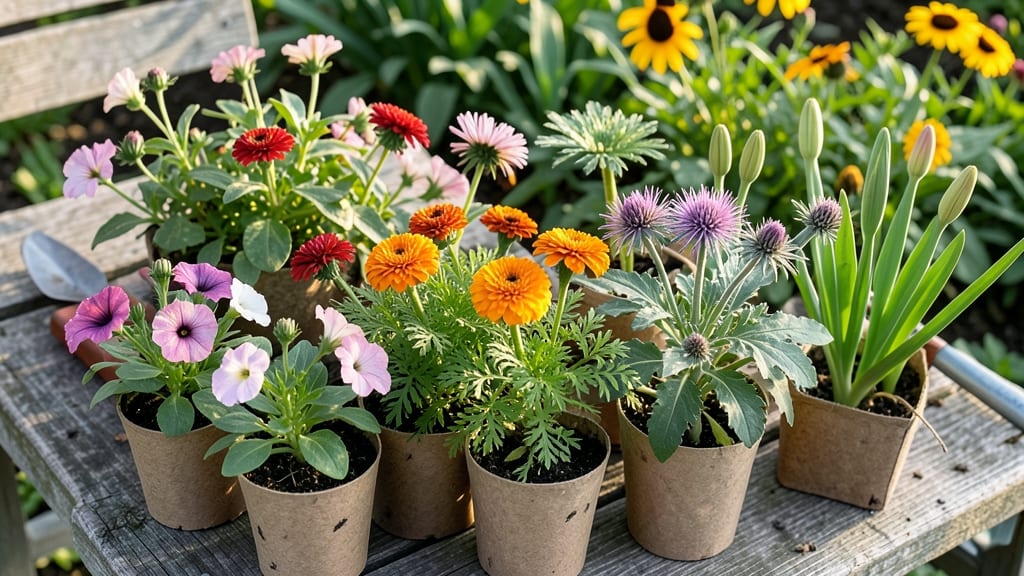
Timing your flowers 🌸 planting in St. Louis isn't just about following a calendar—it's about beating frost while avoiding summer's brutal heat. One wrong move, and your garden could end up as a sad, wilted memory instead of the vibrant display you dreamed of.
As someone who's learned the hard way (hello, April frost surprises), I know the difference between a thriving garden and a gamble. St. Louis's USDA Zone 6a climate demands precision—plant too early, and frost will nip your blooms; too late, and summer's intensity will leave them struggling.
What if you could plant with confidence, knowing exactly when to put those seeds in the ground? I'll break down the exact windows for annuals, perennials, and bulbs, plus the local tricks that make all the difference—like soil prep and mulching for our sticky summers.
Let's turn your flower dreams into reality by mastering St. Louis's planting schedule—no more guesswork, just gorgeous blooms all season long.
St louis flower planting calendar: exact dates by flower type and frost risk
St. Louis gardeners live by the last frost date, which typically lands between April 15–May 1 in USDA Zone 6a. This window separates success from disappointment—plant too early, and a late frost will kill tender seedlings; too late, and summer’s heat will stress your flowers before they bloom.
Let’s break down the exact planting deadlines for annuals, perennials, and bulbs to maximize your garden’s potential.
For cool-season flowers like pansies, snapdragons, and sweet alyssum, start seeds indoors by March 1 or plant directly in the garden by March 15. These hardy blooms tolerate light frosts and even thrive in cooler temperatures, making them ideal for St. Louis’ unpredictable early springs.
If you’re planting warm-season annuals like marigolds, zinnias, or petunias, wait until May 10–15 after all danger of frost has passed.
Perennials are a different story—they need time to establish roots before summer’s heat sets in.
For spring-blooming perennials like daffodils, tulips, or peonies, plant bulbs or bare-root plants in October–November for fall/winter establishment. Summer-blooming perennials, such as coneflowers, black-eyed Susans, and daylilies, should go in the ground by April 20–May 1 to avoid heat stress during their critical early growth phase.
🌱 St. Louis Flower Planting Deadlines by Type
| Flower Type | Planting Window | Key Notes |
|---|---|---|
| Cool-Season Annuals | March 1–15 (direct sow) or March 1 (indoors) | Tolerates frost; ideal for early spring color. |
| Warm-Season Annuals | May 10–15 (after last frost) | Needs consistent warmth; mulch to retain soil heat. |
| Spring-Blooming Perennials | October–November (bulbs) | Plant bulbs 6–8 weeks before ground freezes. |
| Summer-Blooming Perennials | April 20–May 1 | Establish roots before summer heat arrives. |
| Fall-Blooming Annuals | August 15–September 15 | Start seeds indoors 6–8 weeks before transplanting. |
Bulbs deserve special attention. Spring-blooming bulbs like tulips and daffodils should be planted in October—this gives them time to root before winter. Summer-blooming bulbs, such as dahlias and gladiolas, go in the ground after the last frost, around May 10, but only after soil temperatures reach 60°F to prevent rot.
Don’t overlook fall planting for next year’s blooms! Fall annuals like mums, asters, and ornamental kale thrive when planted between August 15–September 15. These cool-loving plants will bloom beautifully through October and November, adding late-season color to your garden.
For perennials, September is the sweet spot to divide and transplant established plants, giving them time to root before winter dormancy.
St. Louis’ microclimates can shift planting windows by weeks. Urban areas near the Mississippi River stay warmer, while rural spots may experience later frosts. Use a soil thermometer to confirm soil temps are above 50°F for warm-season plants—this is your green light to plant.
If you’re unsure, err on the side of caution and wait until May 10 for heat-loving flowers.
Pro tip: Mark your calendar for May 10 as the official “safe planting date” for most warm-season flowers. By then, the risk of frost is minimal, and soil temperatures are ideal for germination.
For a head start, begin indoor seed starting in late February for warm-season flowers like tomatoes or peppers (yes, they’re flowers too!).
Finally, always have a backup plan. St. Louis’ weather is famously unpredictable—late frosts in May or early heatwaves can throw off even the best-laid plans. Use row covers or cold frames to protect early seedlings, and keep an eye on the National Weather Service forecasts for your specific neighborhood.
With these deadlines, your garden will be bursting with color all season long!
5 Critical factors that determine your St louis planting success (beyond dates)
St. Louis's USDA Zone 6a climate isn't just about frost dates—it's a puzzle of soil temperature, humidity spikes, and unexpected weather twists. I've planted flowers here for years, and I can tell you: ignoring these factors is like setting sail without checking the wind direction.
You'll end up with frustrated plants instead of flourishing blooms.
One year, I planted my petunias right after the last frost date, only to watch them wilt under 90°F+ afternoons in early May. Lesson learned: heat tolerance matters just as much as frost dates.
Let's break down the five non-negotiable factors that separate thriving gardens from failed experiments in St. Louis.
St. Louis soil stays below 50°F until mid-April. Use a soil thermometer—planting cool-season flowers when soil is 40°F-60°F ensures root growth. Warm-season flowers need 60°F+ soil or they'll rot.
Our summers hit 90% humidity with heat index often exceeding 100°F. Choose drought-tolerant varieties like black-eyed Susans or salvias—they handle our sticky heat better than delicate annuals.
A city garden in downtown St. Louis can be 5-10°F warmer than one in Clayton. South-facing walls add extra heat—adjust planting dates 1-2 weeks earlier in these spots.
Yes, it happens. St. Louis averages 0.5 inches of snow in May. Keep row covers handy for cool-season crops planted in early spring, and avoid planting tender annuals until after May 15.
Our clay-heavy soil dries out fast. Apply 3-4 inches of mulch (straw or shredded leaves) to retain moisture. For perennials, mulch in early spring to protect roots from temperature swings.
I once had a daylily bed that refused to bloom—until I realized the mulch was too thick, suffocating the roots. The fix? Lighten it to 2 inches and add compost. Small adjustments make a huge difference in St. Louis's unpredictable climate.
Pro tip: Monitor your garden daily in May. If leaves look yellowed or wilted, it's often a sign of overwatering (our clay soil holds too much moisture) or heat stress. Adjust your watering schedule immediately—morning watering is non-negotiable here.
Remember, St. Louis gardening isn't about following a rigid schedule—it's about reading your plants and adapting. The best gardeners here don't just check frost dates; they watch the weather, test their soil, and choose the right plants for our quirky climate.
That's how you get flowers that last from spring to fall.