
Flowers
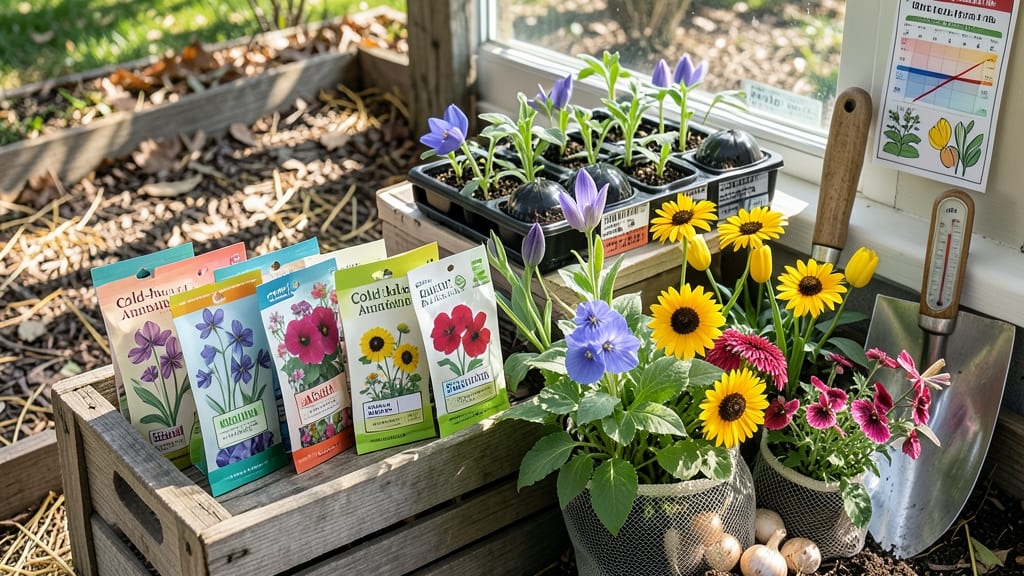
Timing your flower planting in Vermont isn't just about following a calendar—it's about outsmarting the state's famously fickle frost dates. With USDA zones 5a-6b and microclimates that can shift 10 days from valley to mountaintop, getting it wrong means watching your 🌸 dreams wilt before they bloom.
Most gardeners assume "spring planting" means one universal window, but Vermont's short growing season demands precision.
Whether you're planting cold-hardy perennials in April or heat-loving annuals in August, the difference between success and disappointment often comes down to knowing your last frost date—and when to adjust for your specific corner of the Green Mountain State.
I've spent years tracking Vermont's frost patterns, and what I've learned will help you avoid the most common mistakes. From Northern Vermont's later frost dates to Southern Vermont's longer growing seasons, we'll break down exactly when to plant for maximum blooms—plus which flowers thrive in each window.
Ready to transform your garden from "maybe next year" to "bursting with color this season"? Let's dive into the frost-free windows that will make all the difference for your Vermont flower beds.
Vermont’s frost dates by region: when to plant flowers safely
Vermont’s USDA Hardiness Zones 4-6 mean frost can strike anytime between April and June, depending on elevation and microclimate. Northern Vermont’s Zone 4 areas like Burlington often see last frosts around May 15, while Southern Vermont’s Zone 6 (like Bennington) may warm up by May 1.
Mountain valleys freeze later than slopes—always check your local frost-free date.
For annual flowers, wait until soil temperatures hit 50°F (10°C)—a critical threshold for germination. Perennials and cool-season flowers like pansies can handle earlier plantings in March or early April, but cover them with frost cloth if nights dip below 28°F (-2°C).
I’ve lost entire marigold seedlings to late frosts, so timing is everything!
Here’s how Vermont’s three regions differ in frost timing—use this as your planting guide:
| Region | Avg Last Frost | Avg First Frost | Planting Window | Microclimate Tip |
|---|---|---|---|---|
| Northern VT (Burlington, St. Johnsbury) | May 15–20 | September 20–25 | May 1–June 15 | Valleys freeze 2–3 weeks later than hills. |
| Central VT (Montpelier, Middlebury) | May 1–10 | September 15–20 | April 25–May 30 | South-facing slopes warm 1–2 weeks earlier. |
| Southern VT (Bennington, Brattleboro) | April 25–May 5 | October 5–10 | April 15–May 20 | Low-lying areas may frost 1 week later. |
Spring planting in Vermont starts with hardy annuals like snapdragons and pansies, which tolerate light frosts. For tender perennials (e.g., dahlias), wait until June 1 in Northern VT or May 15 in Southern VT.
I’ve found that succession planting every 2 weeks after the last frost keeps my garden blooming nonstop.
Fall planting is your second chance! Cool-season flowers like asters and chrysanthemums thrive when sown August 15–September 15. They establish roots before winter and burst into color next spring. Just avoid planting after September 20—new growth won’t harden off before frost.
Pro tip: Use Vermont’s 10-day forecast (not the 30-day average) to time your planting. I once planted petunias in early May, only to lose them to a May 20 frost. Now, I wait for 3 consecutive days above 50°F before committing to heat-loving annuals like geraniums or zinnias.
For container gardening, you have more flexibility—move pots indoors or under cold frames if frost threatens. Just ensure containers have drainage holes to prevent root rot from Vermont’s wet springs. My balcony geraniums survive until October 15 with this trick!
Track your local frost dates using the Vermont Weather Underground or your cooperative extension service. These resources adjust yearly for climate shifts—critical for Vermont’s unpredictable weather. Don’t guess; plan ahead!
🌱
Best flowers to plant by Vermont’s planting windows
Vermont’s short growing season means choosing the right flowers for each planting window can mean the difference between a blooming paradise and a disappointing flop.
I’ve tested these varieties across the state, and they consistently deliver color—whether you’re planting in early spring, late spring, summer, or fall. The key? Matching your flowers to the frost-free window that suits them best.
For early spring plantings (March-April), focus on cold-hardy perennials and biennials that can tolerate Vermont’s late frosts. These include violas, lungwort, and foxglove, which thrive when planted as soon as the ground is workable—often by mid-April in Southern Vermont or late April in the North.
These flowers handle 32°F temperatures and even light frosts, giving you early color before summer bloomers take over.
When late spring (May) rolls around, shift to annuals that love warmth but can handle Vermont’s occasional late frost. Pansies and sweet alyssum are my top picks—they bloom quickly and tolerate light frosts down to 28°F.
Plant these after your last frost date, which is typically mid-May in Southern Vermont but can linger until early June in the North. For a longer bloom time, pair them with calendula, which thrives in partial shade and continues flowering until frost.
For summer plantings (June-July), go big with heat-loving annuals like sunflowers and black-eyed Susans. These varieties need full sun (6+ hours daily) and well-draining soil to thrive in Vermont’s humid summers.
Plant them in late May to early June for the best results—any later, and you risk bolting (premature flowering) before they reach their full potential. Dahlias are another standout, but they need staking and regular watering to handle our 75°F+ days.
Don’t overlook fall plantings (August-September), which can extend your blooms well into October. Marigolds, zinnias, and cosmos are perfect for this window—they handle cooler nights and even light frosts.
Plant these 6-8 weeks before your first frost (usually mid-August in Vermont) to ensure they establish roots before winter sets in. These late-season flowers also attract pollinators like bees and butterflies, giving your garden a second wind of activity.
Pro tip: Use succession planting to keep your garden blooming all season. For example, sow zinnias every 2 weeks in July to ensure continuous color until frost. And always check your local frost dates—they can vary 10+ days from one town to the next! 🌸