
Flowers
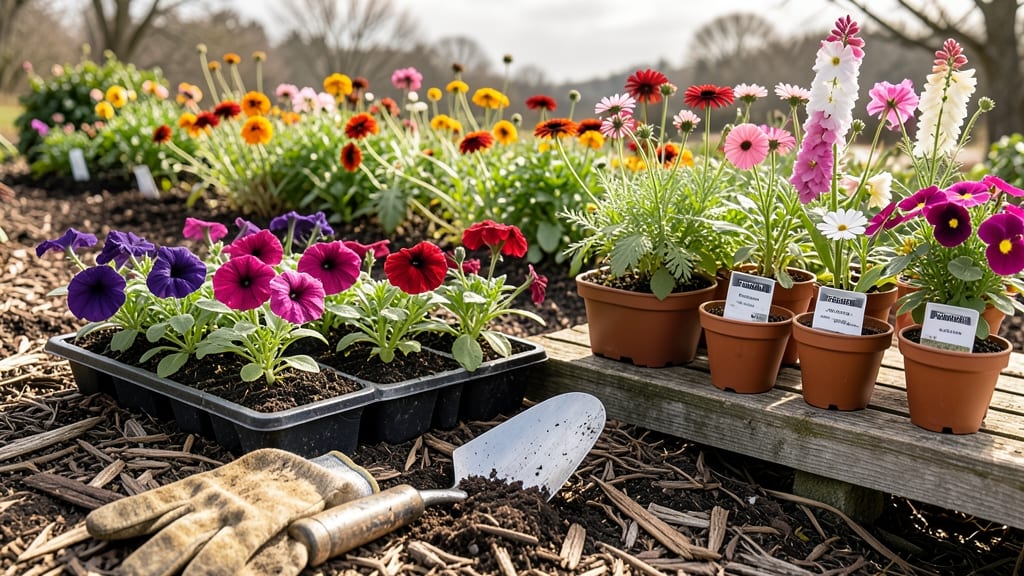
When to plant flowers in Zone 8 isn’t just about tossing seeds into the dirt—it’s the secret to a garden bursting with color from spring to fall. With 240 to 270 frost-free days, you’ve got a prime opportunity, but timing still matters. Plant too early, and frost can nip your blooms before they even peek through the soil. Too late, and you might miss the full bloom potential of your favorite annuals and perennials.
I’ve learned the hard way that cool-season flowers like pansies and snapdragons thrive when planted 6-8 weeks before your last frost date, while warm-season stars like zinnias and marigolds need to wait until soil warms to 60°F.
Whether you’re in Southern California’s mild winters or Georgia’s humid summers, these rules keep your 🌸 flowers thriving year-round.
In this guide, I’ll break down the perfect planting schedule for Zone 8, including month-by-month tips and how to adjust for your specific microclimate. No more guessing—just vibrant blooms that last.
Ready to transform your garden? Let’s dive into the exact timing that’ll make your flowers the envy of the neighborhood.
Zone 8 planting calendar: best months for annual and perennial flowers
Zone 8’s mild winters and warm summers let you grow flowers nearly year-round—but timing matters. Cool-season flowers thrive in winter and spring, while warm-season blooms shine from summer through fall.
The key is aligning planting with soil temperatures and frost-free windows. Coastal areas like San Diego may plant earlier than inland Atlanta, so adjust based on your microclimate.
For annual flowers, aim to plant 6-8 weeks before last frost (typically February-March for Zone 8a/b). Perennials often go in fall or early spring to establish roots before summer heat. Bulbs like tulips should hit the ground by November, while summer annuals like zinnias wait until April-May when soil warms to 60°F+.
| Season | Planting Window | Flowers to Plant | Soil Temp | Notes |
|---|---|---|---|---|
| Fall (Sep-Nov) | Sep-Oct (bulbs), Oct-Nov (cool-season annuals) | Pansies, Snapdragons, Tulips, Dahlias | 50-60°F | Plant bulbs before first frost; mulch after. |
| Winter (Dec-Feb) | Jan-Feb (cool-season) | Calendulas, Sweet Alyssum, Lettuce (edging) | 40-50°F | Protect with row covers if frost threatens. |
| Spring (Mar-May) | Feb-Apr (cool), Apr-May (warm) | Marigolds, Petunias, Zinnias, Sunflowers | 55-70°F | Warm-season flowers need 60°F+ soil. |
| Summer (Jun-Aug) | May-Jun (succession) | Cosmos, Vinca, Portulaca, Lantana | 70-85°F | Drought-tolerant picks for Zone 8 heat. |
| Late Summer (Aug-Sep) | Aug-Sept (fall bloomers) | Chrysanthemums, Asters, Dahlia tubers | 60-70°F | Plant 8 weeks before first frost for fall color. |
In Southern California, where winters are mild, you can plant cool-season flowers like pansies as early as October. But in Georgia or the Carolinas, wait until November to avoid light frosts.
For warm-season flowers, monitor soil temperatures—use a soil thermometer to confirm 60°F+ before planting tomatoes or zinnias.
Pro tip: Succession plant heat-loving flowers like marigolds or cosmos every 2-3 weeks from May through July to enjoy continuous blooms. Pair them with shade-tolerant annuals like impatiens under trees for year-round interest.
Don’t overlook fall planting—it’s prime time for bulbs and perennials. Dahlias and cannas thrive when planted in September, giving them time to root before winter. Mums planted in August will reward you with bold fall color.
For container gardening, adjust timing slightly: potted flowers warm up faster than in-ground plants. Start petunias or geraniums indoors in February for early spring pots. Move heat-lovers like vinca outside only after
How to adjust planting times for extended blooms in Zone 8
Zone 8’s mild winters and long summers let you extend blooms year-round with smart timing. The key is succession planting—staggering sowings to ensure flowers bloom continuously.
For example, start cool-season annuals like pansies in September for winter color, then follow with warm-season favorites like zinnias in April as temperatures rise. This creates a nonstop flower parade from fall to spring.
Container gardening is another game-changer for Zone 8 gardeners. Potted flowers let you move heat-sensitive varieties to shadier spots during summer or bring them indoors before first frost.
Try petunias or geraniums in containers—swap them out every 6-8 weeks for fresh blooms. This works especially well in urban gardens with limited space.
🌸
For perennial flowers, focus on early spring and fall planting. Many perennials—like black-eyed Susans or coneflowers—establish roots better when soil is cool but workable. In Zone 8b, you can even plant tender perennials like dahlias in late February for a head start.
Just mulch heavily to protect roots during rare cold snaps.
Don’t forget to deadhead spent blooms regularly—this tricks plants into producing more flowers instead of seeds. For example, zinnias will bloom nonstop if you snip back faded blooms every 2 weeks.
Pair this with light fertilizing every 4-6 weeks (use a balanced 10-10-10 formula) to keep your garden bursting with color all season.
🌻