
Planting
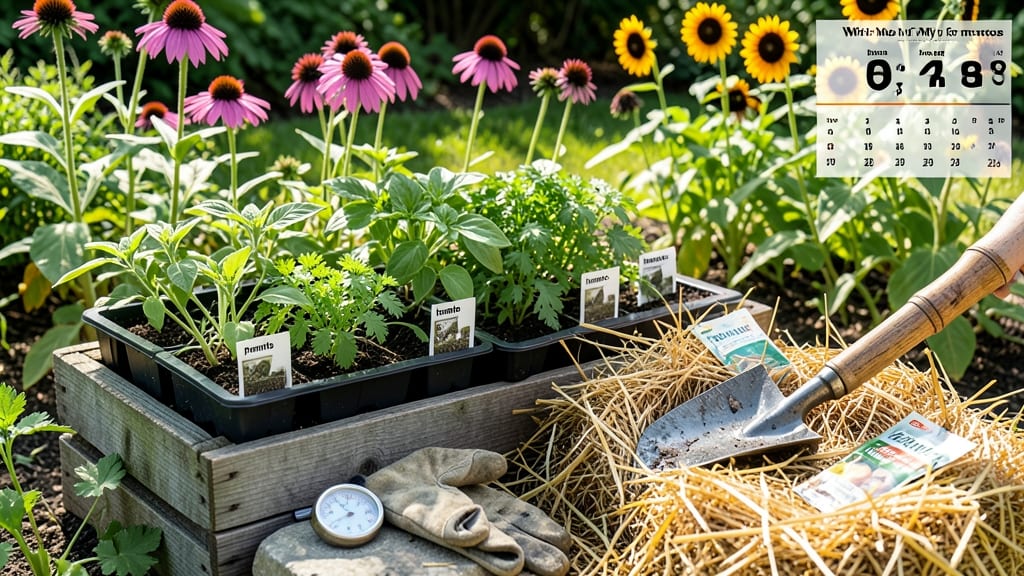
Timing when to plant a garden in Wisconsin can make or break your harvest—get it wrong, and you’ll either freeze tender seedlings or miss the sweet spot for peak flavor.
The key to success isn’t guessing; it’s knowing when to plant cold-hardy greens like spinach (as early as March) versus waiting until after the last frost for tomatoes.
Wisconsin’s USDA Zones 3-5 mean your planting window varies dramatically from southern Milwaukee to northern Duluth. I’ll break down the exact dates you need, so you can avoid the common mistake of planting too soon—only to watch frost wipe out your hard work.
Whether you’re a first-time gardener or a seasoned pro, mastering these timelines will help you grow a thriving 🌱 Garden with fewer setbacks. Let’s dive into the best strategies for your region, including soil prep and microclimate adjustments.
From hardy peas in spring to late-summer squash, you’ll learn how to stretch your growing season and protect your plants from Wisconsin’s unpredictable weather. Ready to turn your backyard into a productive harvest zone?
Wisconsin planting zones & frost dates: key timelines for cold-hardy crops
Wisconsin’s USDA Plant Hardiness Zones 4-5 and variable last frost dates (April 15–May 15) make timing critical for cold-hardy crops like spinach, kale, peas, and radishes. Northern Wisconsin (Zone 4) faces later frost risks, while southern areas (Zone 5) can plant earlier—sometimes as early as mid-April.
Understanding these zones helps you avoid frost damage while maximizing your garden’s potential.
To calculate your planting window, subtract 2-3 weeks from your average last frost date for cold-hardy crops. For example, if frost typically ends May 1 in your area, plant mid-April for early harvests. Use this rule for lettuce, broccoli, and carrots, which thrive in cooler temperatures.
Wisconsin’s first frost dates (September 15–October 15) also dictate when to sow winter crops like spinach and kale. Plant these 6-8 weeks before frost for fall harvests. Southern Wisconsin gardeners can extend this window by 2-3 weeks compared to northern regions.
Here’s how to use frost dates for your garden:
For cold-hardy crops, soil temperature matters just as much as air temperature. Use a soil thermometer to confirm the ground is above 40°F before planting.
In Wisconsin, this often aligns with late April to early May, depending on your zone. Peas and radishes can even handle 32°F soil, making them ideal for early starts.
Adjust your planting timeline based on microclimates. Urban areas may experience 2-3°F warmer temperatures than rural zones due to heat absorption from buildings. If you’re in a south-facing garden bed, you can plant 1-2 weeks earlier than the average frost date.
Conversely, low-lying areas or shaded spots may need delayed planting.
Wisconsin’s USDA Zone Map is your best tool for precision planting. Check your exact zone using the USDA Interactive Map and cross-reference with local Master Gardener reports. For example, Milwaukee (Zone 5a) can plant spinach in early April, while Minneapolis (Zone 4a) should wait until mid-May.
Pro tip: Mark your last frost date on a calendar and use it to plan succession planting. For instance, sow lettuce every 2 weeks from April to July to ensure a continuous harvest.
This strategy works especially well for fast-growing crops like radishes and bush beans, which mature in 30-50 days.
Don’t forget to prepare your soil in late winter (February–March) by adding compost and aged manure. Well-draining soil with a pH of 6.0–7.0 ensures cold-hardy crops like kale and cabbage thrive even in Wisconsin’s cool, wet springs.
A simple soil test kit from your local UW-Extension office can provide tailored recommendations.
By mastering Wisconsin’s frost dates and planting zones, you’ll avoid common mistakes like frost damage to seedlings or missed harvest windows. Start with cold-hardy crops, then transition to warm-season plants after the last frost—your garden will thank you with bountiful yields all season long! 🌱
Warm-season starts in Wisconsin: when to plant tomatoes, peppers & more (with frost protection tips)
Warm-season vegetables like tomatoes, peppers, and cucumbers need consistent warmth to thrive, and planting them too early in Wisconsin’s cool springs can lead to stunted growth or even death.
The key is waiting until after the last frost date—typically May 15 in most of the state, but later in northern regions.
Soil temperature is just as critical as air temperature. These plants prefer soil that’s at least 60°F—use a soil thermometer to check before planting. In cooler areas, you can jumpstart your season by starting seeds indoors 6-8 weeks before the last frost, then transplanting hardened-off seedlings outdoors.
For tomatoes, which are Wisconsin’s favorite, aim to plant after Memorial Day in most areas. If you’re in Zone 4 (like northern WI), consider using row covers or a cold frame to extend your growing season by 2-3 weeks.
🚨
Even after the average last frost, late spring frosts can still occur. Protect tender plants with frost cloth or move containers indoors overnight if a frost warning is issued. Tomatoes are especially vulnerable—cover them or use a mini greenhouse until nighttime temperatures stay above 50°F.
Peppers and eggplants are even more sensitive, requiring soil temperatures above 70°F to germinate. In Wisconsin, this often means waiting until late May or early June in most regions. For faster results, start these indoors 8-10 weeks before the last frost and transplant only after the soil has warmed.
Succession planting is your friend for warm-season crops. After harvesting early bush beans or lettuce, replace them with heat-loving plants like zucchini or squash in late June. These can often be planted directly into the soil once the ground is warm, giving you a second harvest before fall.
Don’t forget about herbs like basil and cilantro—both need warmth to thrive. Basil should only be planted after the last frost and in full sun, while cilantro (a cool-season herb) can actually bolt in Wisconsin’s heat. Plant cilantro in early spring or late summer for the best results.
With these strategies, you can stretch your warm-season growing window and enjoy homegrown tomatoes, peppers, and more well into September or October—just in time for fall harvests! 🌱☀️