
Plants
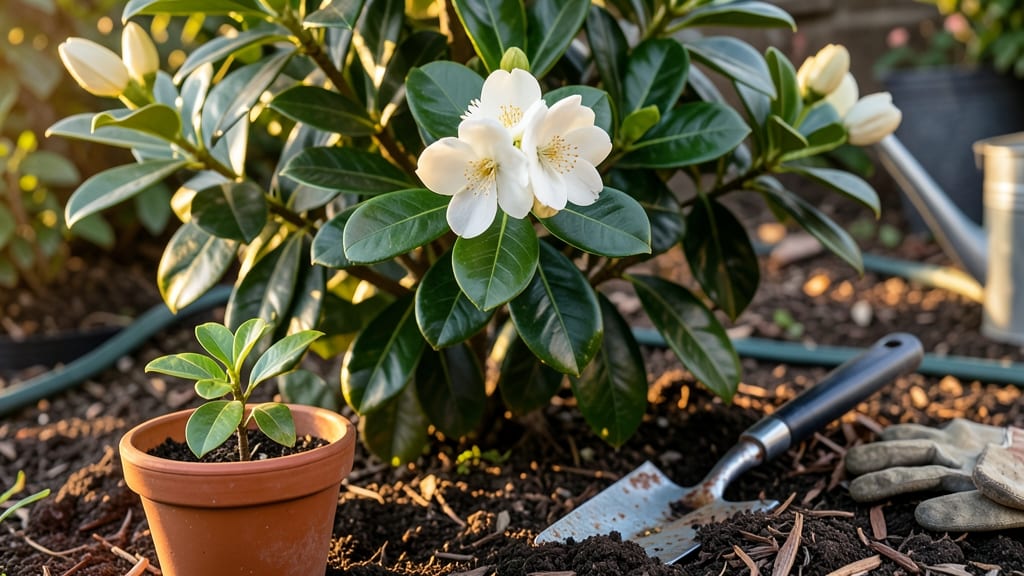
Timing your gardenia 🌸 planting in Texas can mean the difference between fragrant blooms and a sad, wilted shrub—especially when late frosts or scorching summer heat lurk around every corner.
You’ve probably heard that gardenias love heat, but Texas’ brutal climate throws a wrench into the plan. Plant too early in North Texas, and a surprise frost could kill your young gardenia before it even takes root.
Wait too long, and summer’s relentless sun might stress a delicate plant before it’s ready to handle the heat.
The secret lies in knowing your region’s frost-free deadlines—whether you’re in chilly Zone 8a or balmy Zone 10b. I’ll break down the exact windows for spring and fall planting, plus how to adjust for urban heat islands or clay-heavy soil that drains like molasses.
By the end, you’ll know not just when to plant, but how to give your gardenia the best shot at thriving—even in Texas’ most extreme conditions. Let’s get those roots in the ground at the perfect moment.
Optimal planting windows for Texas gardenias by region
Timing is everything when planting gardenias in Texas, where frost-free deadlines and heat spikes can make or break your shrubs. The best window depends on your region—North Texas faces harsher winters, while South Texas enjoys milder winters but brutal summers.
Here’s how to align your planting with Texas’ USDA Zones 8a-10b for maximum success.
For North Texas (Zones 8a-8b), aim for late February to early March after the last frost (typically around February 15). This gives young plants time to establish roots before summer’s heat arrives.
In Central Texas (Zones 8b-9a), you can plant as early as mid-January or stretch into early April, but avoid late spring plantings—summer’s intensity can overwhelm tender roots.
South Texas (Zones 9b-10b) offers the most flexibility: September to October is ideal for fall planting, avoiding both summer’s scorching sun and winter’s rare frosts. If you must plant in spring, April is your cutoff—after that, the heat becomes too intense for new growth.
🌱
Urban gardeners in cities like Houston or Dallas face extra challenges due to urban heat islands, where pavement and buildings trap heat. If you’re planting in these areas, opt for fall planting (September) to give roots time to establish before summer’s peak.
Container gardeners can extend their window slightly—potted gardenias can be planted 1-2 weeks earlier since containers warm up faster in spring.
Pro tip: Check your local Cooperative Extension Service for frost alerts—some years, North Texas can see frost as late as March 15. If you’re unsure, use row covers or plant in containers for added protection.
For fall planting, aim for September to October in most of Texas. This strategy lets gardenias establish roots before winter dormancy and bloom earlier the following spring.
In South Texas (Zones 9b-10b), you can even plant as late as November, but avoid December—holiday heat spikes can confuse the plant’s dormancy cycle.
🌿
Microclimates matter! Coastal areas like Galveston have milder winters, while inland San Antonio can drop below freezing. Adjust your planting window by 1-2 weeks based on elevation—higher elevations (e.g., Hill Country) need later plantings. Always monitor soil temperature: gardenias thrive when soil stays above 60°F.
Finally, avoid planting in summer—Texas’ heat can cause transplant shock and fungal issues. If you miss the ideal window, hold off until next season. Patience now means fragrant blooms and lush foliage later!
How to prepare gardenias for Texas heat: soil, watering, and mulching tips
Once you’ve nailed your planting window, the real work begins: preparing gardenias for Texas’ extreme heat and clay-heavy soils. These tropical shrubs love humidity but hate soggy roots or alkaline soil. Start by testing your soil’s pH level—gardenias thrive in acidic soil (5.0–6.5).
If your yard’s soil tests higher, amend it with peat moss or sulfur before planting. I’ve found that mixing in composted pine bark improves drainage while keeping moisture levels just right.
For container gardeners, use a well-draining potting mix with added perlite or sand. Avoid garden soil—it compacts and suffocates roots.
If you’re planting in clay soil, dig a hole twice as wide as the root ball and fill the bottom with a 1-inch layer of coarse sand or gravel to improve drainage. This small step can prevent root rot, a common killer in Texas’ heavy soils.
🌱
Watering is where most Texas gardeners go wrong. Gardenias need consistent moisture but hate wet feet. Water deeply once a week in cooler months, but switch to every 2–3 days during summer’s peak heat.
Use a soaker hose or drip irrigation to deliver water at the root zone, avoiding the foliage to prevent fungal diseases like powdery mildew. I’ve seen gardenias in Houston’s urban heat thrive with this method—just mulch heavily to retain moisture.
Mulching is your secret weapon against Texas’ temperature swings. Apply a 3-inch layer of organic mulch (like pine bark or cypress mulch) around the base of your gardenia, keeping it 3 inches away from the trunk. This mulch layer acts like a thermal blanket, keeping roots cool in summer and insulating them in winter. Replenish mulch annually—it breaks down quickly in our heat. For container plants, use mulch around the pot’s base but avoid piling it against the container.
One tip I swear by? Prune lightly after planting to reduce stress. Trim any damaged or crossing branches but avoid heavy pruning—you’ll want the plant to focus on root growth first.
And here’s a pro move: fertilize lightly with an acid-loving plant formula (like 8-4-8 NPK) 4–6 weeks after planting. This gives your gardenia a slow-release nutrient boost without overwhelming it during its critical establishment phase.
💧 Finally, watch for heat stress signs like drooping leaves or yellowing foliage. If you see these, move potted gardenias to a shadier spot temporarily or provide afternoon shade with a lightweight shade cloth.
With the right prep, your gardenia will reward you with glossy leaves and fragrant blooms all season long—even in Texas’ brutal climate!