
Plants
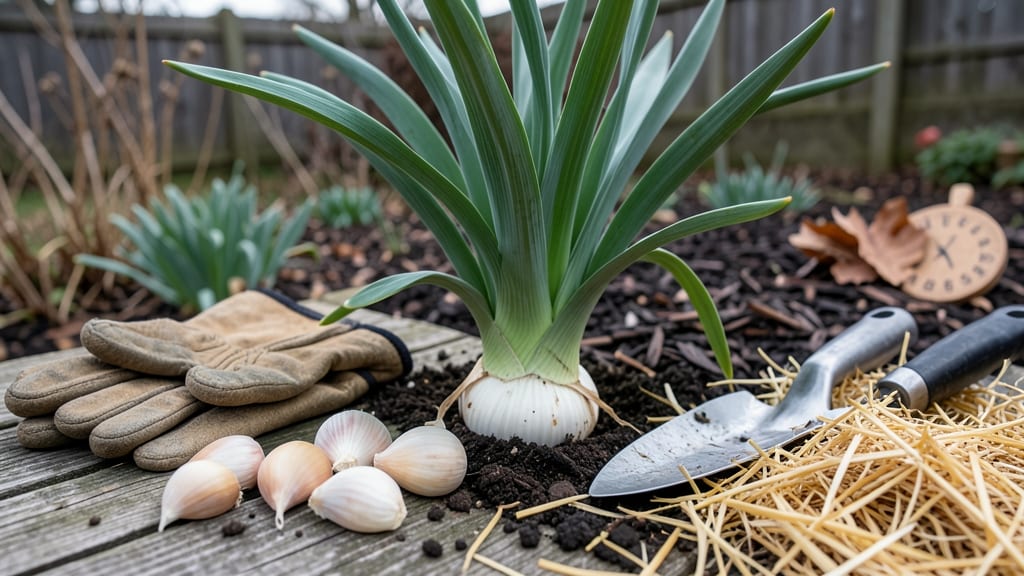
Timing your 🧄 garlic planting in South Louisiana isn’t just about the calendar—it’s about outsmarting the region’s unpredictable mix of humidity, heat, and early frosts. Plant too early, and your garlic might bolt before forming proper bulbs; too late, and winter’s chill stunts growth.
But get it right between October and November, and you’ll unlock plump, flavorful harvests that beat store-bought varieties.
What makes this region tricky? Unlike northern climates, South Louisiana’s USDA zones 8b-9a demand a delicate balance—cool enough for dormancy but warm enough to avoid premature sprouting.
Coastal areas like New Orleans can handle slightly earlier plantings, while inland spots near Baton Rouge need that extra week to brace for frost. The key? Soil temps below 70°F and 4-6 weeks before the first frost (usually mid-December).
I’ve grown garlic here for years, and the difference between a mediocre harvest and a bumper crop often comes down to these microclimate tweaks. Whether you’re a first-timer or a seasoned gardener, mastering these windows will save you from wasted cloves and give you the confidence to plant with precision.
Let’s break down exactly when—and how—to plant for zero bolt risk and maximum yield.
Ready to ditch the guesswork? You’ll learn how to adjust planting dates based on your specific corner of the state, plus 5 proven tricks to keep your garlic focused on bulb-building instead of bolting. No more second-guessing—just bold, flavorful garlic ready for late April harvests.
Optimal planting months for South Louisiana garlic by variety type
South Louisiana’s humid subtropical climate demands precise timing for garlic planting, especially when choosing between hardneck and softneck varieties. Hardnecks thrive in cooler regions and produce scape stalks, while softnecks prefer warmer climates and store longer.
For USDA zones 8b-9a, timing is critical to avoid premature bolting or stunted bulbs.
In most of South Louisiana, October through November is the ideal window to plant garlic. This timing allows bulbs to establish roots before winter while avoiding heat stress that triggers bolting.
However, coastal areas like New Orleans and Lafayette can plant slightly earlier, while inland regions near Baton Rouge may delay planting by 1-2 weeks.
Here’s how to align your planting schedule with variety-specific needs and microclimate conditions:
For coastal areas like New Orleans, where winters are milder, you can push planting to late September for hardnecks, but avoid planting before September 15th—garlic planted too early in warm soil will bolt prematurely.
Inland areas like Baton Rouge should wait until early November to align with cooler soil temperatures.
Use a soil thermometer to confirm soil temperatures are below 60°F (15°C) before planting. If temperatures rise above 65°F (18°C) after planting, mulch heavily with straw or leaves to protect cloves and prevent bolting.
Another critical factor is first frost timing. In South Louisiana, the average first frost occurs around mid-November, but coastal areas may see frost as late as December. Aim to plant 4-6 weeks before frost to ensure roots establish before winter dormancy.
If you miss the fall window, spring planting is possible but risky. Plant in February for a summer harvest, but expect smaller bulbs due to heat stress. Spring-planted garlic is best suited for softneck varieties, which handle warmer conditions better.
Pro tip: Use organic mulch like pine straw or grass clippings to insulate soil and maintain even temperatures. This is especially important in humid climates where moisture fluctuations can stress garlic cloves.
Remember, larger cloves (size of a grape) produce better yields. Break apart garlic bulbs just before planting and discard any soft or sprouted cloves, as these won’t establish well.
By aligning your planting schedule with variety needs and local microclimates, you’ll maximize bulb size and minimize bolting risks in South Louisiana’s challenging growing conditions. 🌱
How to adjust planting dates based on South Louisiana’s microclimates
South Louisiana’s humid subtropical climate creates distinct microclimates that demand flexible planting dates. Coastal areas like New Orleans experience milder winters, while inland regions near Baton Rouge face earlier frosts. Understanding these variations lets you fine-tune your schedule for optimal garlic growth without bolting risks.
For coastal zones (New Orleans, Grand Isle), aim to plant between mid-October and early November. Warmer soil temps here delay frost, giving your garlic extra time to establish roots before winter.
In contrast, inland areas (Baton Rouge, Lafayette) should plant from late October to mid-November to avoid premature sprouting from lingering heat.
Soil temperature is your best indicator. Wait until soil cools below 70°F—use a soil thermometer to check. Coastal soils may hit this threshold by early October, while inland soils often need until late October. Planting too early in hot soil triggers premature bolting, ruining your harvest.
🌱 Key microclimate adjustments:
- Coastal (New Orleans): Plant 2-3 weeks earlier than inland areas.
- Inland (Baton Rouge): Plant 1-2 weeks later to avoid early heat stress.
- River parishes (e.g., St. John the Baptist): Split the difference—plant in early November for balance.
Planting Window: Mid-October to Early November
Soil Temp Threshold: Below 70°F by early October
Frost Risk: Low (last frost: late December)
Planting Window: Late October to Mid-November
Soil Temp Threshold: Below 70°F by late October
Frost Risk: Moderate (first frost: mid-November)
Planting Window: Early to Mid-November
Soil Temp Threshold: Below 70°F by early November
Frost Risk: Variable (check local forecasts)
Don’t rely solely on calendar dates—monitor local forecasts for frost predictions. The National Weather Service’s Louisiana Climate Outlook is a game-changer for adjusting your timeline. If an early cold snap is forecasted, delay planting by 1-2 weeks to protect young cloves.
Pro tip: Use shade cloth (30-50%) if planting early in hot coastal zones. This buys you time by reducing soil heat while still allowing sunlight for growth. Pair it with thick mulch (straw or leaves) to insulate roots during temperature swings—a must for inland gardens facing sudden frosts.
🌿 Final rule of thumb: Plant when your neighbor’s azaleas bloom (a natural indicator of cooling soil). This old gardener’s trick aligns perfectly with Louisiana’s microclimates—no thermometer needed! With these adjustments, your garlic will thrive regardless of whether you’re near the Gulf or tucked inland.