
Plants
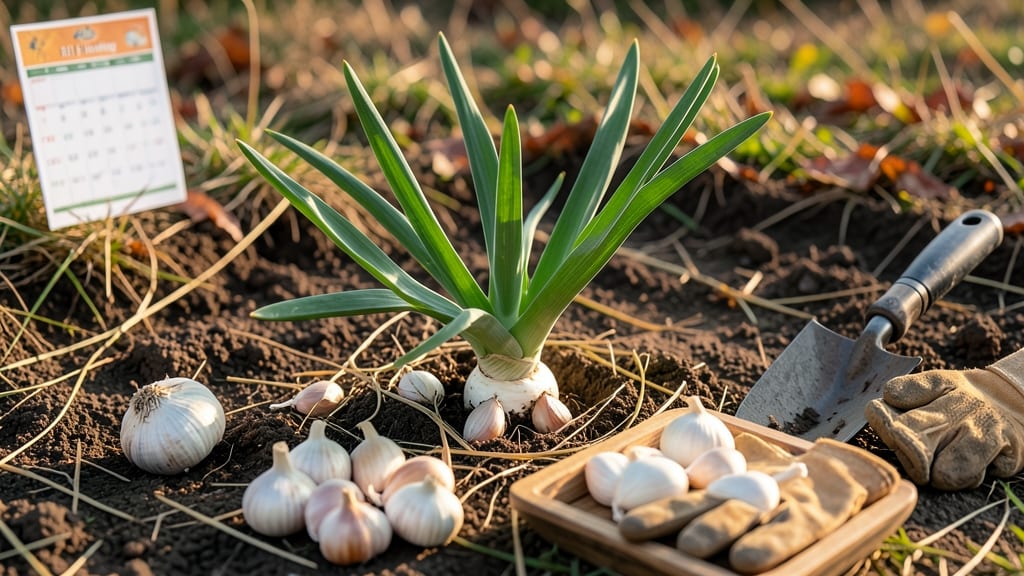
If you're wondering "when to plant garlic in WV", the clock is ticking—and missing this window could mean the difference between a 🧄 harvest that makes your neighbors jealous and a sad, shriveled disappointment.
West Virginia’s unpredictable fall weather demands precision, especially since garlic needs 6a zone conditions to establish roots before the ground freezes.
Most gardeners in WV plant garlic between October and November, but the exact timing depends on your microclimate. Too early, and your cloves might rot; too late, and they won’t have enough time to develop strong roots before winter sets in.
The key is planting 4-6 weeks before the first hard frost, which in most of WV usually lands around early November.
Don’t let common myths fool you—like thinking you can plant garlic anytime in fall or that softneck and hardneck varieties have the same deadlines. In this guide, I’ll break down the exact planting windows for your zone, plus how to adjust if Mother Nature throws a curveball.
You’ll also discover the best varieties for WV’s climate and when to order seeds for a foolproof harvest.
Ready to grow garlic that’s bigger, bolder, and more flavorful than ever? Let’s get your cloves in the ground at the perfect moment—before it’s too late.
West Virginia garlic planting deadlines by hardiness Zone (7a vs 7b)
West Virginia’s USDA Zones 7a and 7b create subtle but critical differences in garlic planting timing. In Zone 7a (colder microclimates like the higher elevations of Pocahontas County), you’ll need to plant 4-6 weeks earlier than in Zone 7b (warmer areas like the Kanawha Valley).
Missing these windows means garlic may bolt or produce smaller bulbs.
For both zones, the ideal soil temperature for planting is between 40°F and 50°F. This typically aligns with mid-October to early November, but WV’s unpredictable falls demand flexibility. In Zone 7a, aim for October 1-15, while Zone 7b gardeners can push to October 15-November 1.
Here’s the critical rule: Plant garlic 4-6 weeks before the ground freezes. In WV, this usually means November 1 is the last call for Zone 7a, while Zone 7b might squeeze in a late-November planting if soil stays workable.
Use a soil thermometer to confirm—40°F is your target.
Why does this matter? Garlic needs 60-80 days of cold stratification to form bulbs properly. Plant too late, and you’ll get small, pungent cloves instead of the plump harvest you crave. Conversely, planting too early in warm microclimates (like Zone 7b’s southern regions) can trigger premature sprouting.
WV’s microclimates add another layer of complexity. Mountain valleys (like Fayette County) often freeze earlier than river valleys (like Charleston’s suburbs). Check your last frost date—most WV areas average November 1, but higher elevations can freeze by October 20.
Hardneck varieties (like ‘Music’ or ‘German White’) handle WV’s cold better than softnecks (like ‘Silverskin’). If you’re unsure about your zone, default to the earlier Zone 7a deadline—it’s safer for all varieties.
🌱 West Virginia Garlic Planting Deadlines by Zone
| Zone | Ideal Planting Window | Last Safe Planting Date | Soil Temp Threshold | Best Varieties |
|---|---|---|---|---|
| 7a (e.g., Beckley, Elkins) | October 1–15 | November 1 | 40°F–50°F | ‘Music’, ‘German White’, ‘Chesnok Red’ |
| 7b (e.g., Charleston, Morgantown) | October 15–November 1 | November 15 | 40°F–50°F | ‘Silverskin’, ‘Artichoke’, ‘Creole’ |
⚠️ Pro Tip: Use mulch (straw or leaves) to extend planting into early December if soil stays unfrozen.
If you’re still unsure about your zone, use this quick test: Dig a hole in your garden in late September.
If the soil feels cold but workable (like a chilled apple), it’s ready for Zone 7a. If it’s still warm to the touch, you’re likely in Zone 7b and can wait a week longer.
Remember: Garlic planted after November 15 in most of WV will either bolt prematurely or produce tiny, weak bulbs. But don’t panic if you miss the window—spring planting is possible (though bulbs will be smaller). We’ll cover backup strategies in the next section.
For now, mark your calendar: Zone 7a = October 1-15, Zone 7b = October 15-November 1. And if you’re in a high-elevation microclimate, err on the side of planting earlier—WV’s mountains don’t play around with frost!
How to adjust garlic planting for WV’s unpredictable fall weather
West Virginia’s fall weather can be as unpredictable as a mountain storm—one day sunny and warm, the next a sudden frost. If your garlic planting plans get delayed or disrupted, don’t panic.
With the right adjustments, you can still salvage a decent harvest even if you miss the ideal window. The key is flexibility and preparation.
First, understand that garlic thrives when planted 4-6 weeks before the ground freezes. In WV’s Zone 7a/7b, that typically means mid-October to early November. But if you’re planting late or facing an early freeze, focus on soil temperature (aim for 40-50°F) rather than the calendar.
Use a soil thermometer to check—this is your best guide.
If you’re planting in late October or November, opt for smaller cloves (they grow faster) and use a thick layer of straw mulch (4-6 inches) to insulate the soil.
This creates a mini-winter greenhouse that protects young roots from freezing while still allowing growth. Just remove the mulch in early spring to prevent rot.
Amend your soil with compost or aged manure 2-3 weeks before planting. This boosts organic matter, which helps retain moisture and warmth—critical if you’re planting late. Aim for well-draining but moisture-retentive soil to prevent cloves from rotting.
Apply straw mulch (not hay) immediately after planting. Straw insulates roots from temperature swings and suppresses weeds. For extra protection in Zone 7a, add a floating row cover until the ground freezes—this buys you 2-3 extra weeks of growing time.
If you miss the fall window, don’t give up! You can plant garlic in early spring (March), though yields will be smaller. Choose softneck varieties (like ‘Silverskin’) for spring planting—they tolerate warmer soils better than hardnecks. Just expect to harvest 6-8 weeks later than fall-planted garlic.
Another trick for late starts? Plant garlic in containers or raised beds. These warm up faster in spring and drain better than heavy WV clay soil. Fill containers with a mix of 50% potting soil and 50% compost, and place them in a south-facing spot to maximize sunlight.
This gives you more control over soil conditions if your yard is slow to warm.
Finally, keep an eye on the 10-day forecast before planting. If a hard freeze (20°F or below) is predicted within 2 weeks, delay planting until conditions stabilize.
Garlic cloves won’t survive freezing soil, but established plants with 4-6 inches of mulch can handle light frosts once roots are established.
Remember: Even a partial harvest is better than none! With these adjustments, you’ll turn WV’s weather quirks into opportunities rather than obstacles. And if all else fails, save some cloves for next year’s perfectly timed planting—patience is part of the garlic-growing journey. 🌱